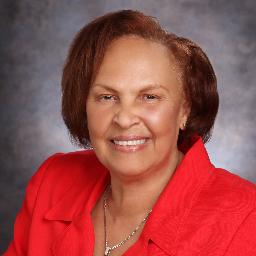
Megan Allen
LMFT
Calm, practical therapy and coaching
- State
- California
- Experience
- 28 years
- Languages
- English
- Also works with
- Stress, Anxiety, Self esteem, Coaching
885 therapists based in California list anger among the things they work with. Sessions are online; a therapist can usually only see people in the states where they hold a licence, so check each profile.
Welcome to Find Anger Therapists' directory for Californians seeking online anger therapy. All therapists listed here are licensed in California, and you can explore profiles to compare approaches, credentials, languages, and experience. Browse the listings to identify therapists whose focus and style match what you are looking for.
Calm, practical therapy and coaching
Calm, experienced social worker focused on practical change
Calm, practical therapy for anger and relationships
Compassionate, practical therapy for everyday challenges
Practical, action-focused therapy for life changes
Calm, practical support for everyday struggles
Calm guidance for strong emotions
Calm, practical therapy focused on listening and skill building
Calm, practical support for managing strong emotions
Calm, practical support for strong emotions
Strength-focused therapist with 16 years experience
Gentle, experienced help for strong emotions
Experienced therapist focused on practical change
Practical, emotion-focused therapy for everyday life
Practical support for stress and anger
Calm guidance for managing anger and life stress
Practical support for relationships and strong emotions
Calm guidance for relationship and anger challenges
Mindful, practical help for strong emotions
Compassionate therapist for strong emotions
Compassionate practical help for anger and stress
Experienced LPCC helping people manage anger and stress
Practical, compassionate support for life transitions
Calm guidance for strong, practical change
Calm, practical support for overwhelming emotions
Calm, practical help for strong emotions
Trusted LCSW with 40 years' experience
Calm, experienced therapy for real-life strain
Calm, practical support for managing strong emotions
Calm, practical guidance for life's challenges
Calm, practical support for everyday struggles
Calm, practical support for strong emotions
Practical, steady support for managing strong emotions
Practical support for anger and life stressors
Compassionate LCSW focused on practical change
Compassionate social worker guiding practical change
Empathetic, practical help for intense emotions
Calm-focused therapist for strong emotions
Experienced therapist helping people manage anger and life change
Humanistic counselor focusing on practical growth
Practical, person-centered support for anger and stress
Therapist focused on practical change
Calm, practical guidance for everyday challenges
Calm guidance for strong emotions
Compassionate LCSW blending talk and skills
Compassionate, practical therapy for lasting change
Practical therapy for stress and relational pain
Mindfulness-focused LMFT for stress and anger
Some links on this page are partner links. We will earn a commission if you sign up through one, at no cost to you. It does not change what you pay or the order of the listings.
Online therapy is widely used across California and has become an established option for people seeking support with anger-related concerns and related mental health issues. When you search for an online therapist in California, you will encounter clinicians who offer sessions by video, phone, or messaging formats. California requires clinicians to hold an appropriate state license to provide professional services to residents of the state, and many therapists list their license type and credentials on their profiles so you can confirm they are legally authorized to practice with California clients. Telehealth rules continue to evolve, so understanding how licensure and the mode of service delivery work together can help you feel more informed before reaching out.
Because California is geographically and culturally diverse, online therapy expands the range of clinicians you can consider beyond your immediate neighborhood. You may find therapists who specialize in anger work, family and relationship dynamics, trauma-informed care, or stress management, and who list a variety of therapeutic approaches and languages. Profiles typically indicate whether a therapist works with adults, adolescents, couples, or families, which helps you narrow down practitioners who focus on the populations you are seeking help for.
Online therapy can offer several practical advantages that matter in daily life. If you live in a rural area of California or in a region with fewer in-person options, remote sessions reduce travel time and give you access to a broader range of clinicians. You can arrange appointments around work or caregiving responsibilities, and you can meet with a therapist without the commute that might otherwise deter you from getting support. For many people the convenience of attending sessions from home, a car between errands, or a workplace break makes it easier to maintain consistency with treatment.
In addition to convenience, online therapy can help you match with a clinician who shares your language preference, cultural background, or therapeutic orientation. You may be able to find therapists who list approaches such as cognitive behavioral therapy, dialectical behavior therapy, acceptance and commitment approaches, or those who list EMDR among their approaches. Keep in mind that approaches noted on a profile reflect what a therapist lists, and you can ask clinicians how they apply those methods in practice. Finally, online therapy may be more flexible for people who travel within California or who move between regions, since you can often continue sessions with the same clinician if licensing and regulations permit.
When you search for an anger therapist, you will encounter clinicians who address a range of concerns that often overlap with anger management. Many people seek help for difficulties with irritability, explosive reactions, or recurring conflict in relationships. Therapists also commonly work with individuals facing stress from work, parenting challenges, grief, anxiety, depression, trauma, and substance-related concerns where anger is one part of a larger pattern. Family and couples therapy often includes anger work when disagreements escalate or when communication patterns contribute to ongoing conflict.
Online therapists may tailor their approach to the issues you bring, focusing on skill-building, emotion regulation strategies, communication techniques, and exploring underlying stressors that fuel anger. Some clinicians highlight mindfulness, behavioral strategies, or cognitive approaches on their profiles, and others mention longer-term relational or psychodynamic perspectives. Because profiles vary, you can review how a therapist describes their approach and the populations they work with to see whether their emphasis aligns with your needs.
Verifying a therapist's license is an important step to confirm that you are working with a clinician who is authorized to practice in California. Start by noting the therapist's full name and the license designation shown on their profile, such as LMFT, LCSW, LPCC, PsyD or PhD for psychologists, or MD for psychiatrists. California has several regulatory boards: the Board of Behavioral Sciences oversees marriage and family therapists, licensed clinical social workers, and licensed professional clinical counselors; the California Board of Psychology regulates licensed psychologists; and the Medical Board of California oversees physicians, including psychiatrists. Each board maintains an online license lookup tool that lets you search by name or license number.
When you search a public license database, look for an active status and note any public actions or disciplinary history that may be listed. The public record will typically include the license type, issuance and expiration dates, and whether the license is current. If you have questions about what appears in a record, you can contact the relevant board directly to request clarification. Verifying licensure is a factual step and does not substitute for finding a clinician who feels like a good personal fit, but it does confirm that the therapist is recognized by California authorities to provide professional services.
Getting started often begins with clarifying what you want from therapy. You may come with a specific goal - for example, reducing angry outbursts, improving communication with a partner, or managing workplace stress - or you may want a space to explore patterns that contribute to recurring conflicts. Use those priorities to guide your search by focusing on therapists who list relevant focus areas, approaches, and populations on their profiles. Pay attention to language offerings if you prefer sessions in a language other than English or if cultural understanding is important to your care.
When comparing profiles, consider how a therapist describes their approach rather than assuming training in a particular method. For example, you might be interested in clinicians who list cognitive behavioral strategies or who note an interest in trauma-informed care. Read session format details to determine whether you prefer video, phone, or text-based sessions, and look for notes about session length and fee structure. If you use insurance, check a therapist's profile for billing details and contact their office to learn whether they work with your plan or offer a self-pay rate. Be mindful that posted information can change, so use profile details to narrow choices and then reach out to ask any specific questions you have about approach, session structure, and logistics.
Before a session, prepare a reliable internet connection and a device that supports video if you plan to meet face-to-face online. Choose a quiet, quiet space where you will be comfortable speaking openly, and consider using headphones to maintain your sound privacy. Think about practical concerns such as time zone differences if you travel, emergency procedures, and what to do in the event of technical issues. If safety is a concern, ask a prospective therapist how they handle crises and what local resources they can recommend in your area. Trust and rapport matter, so notice how a clinician responds to your questions about goals and methods during an initial conversation - feeling heard and respected is a key part of effective work.
Ultimately, finding the right online therapist in California is a process of matching your needs, preferences, and comfort level with a clinician's focus and approach. Use profiles to compare credentials, languages, specialties, and session formats, verify licensure through state resources, and prepare practical details that support productive online sessions. With thoughtful research and an eye toward alignment with your goals, you can find an online clinician who helps you address anger-related concerns and build healthier ways of relating to yourself and others.