Works with
- Anger
- Stress, Anxiety
- Anger management
- Self esteem
- Depression
- Compassion fatigue
How Byron works
- Not listed
Practical facts
- Credentials
- LCSW
- Licensed in
- Virginia
- Years in practice
- 4
- Languages
- English
- Session format
- Online, through our partner platform
About Byron
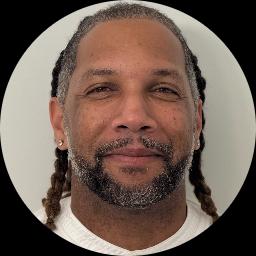
Byron Porcher is a Licensed Clinical Social Worker (LCSW) based in Virginia with four years of clinical work. He offers straightforward support for people dealing with stress, anxiety, anger, low self-esteem, depression, and compassion fatigue. He aims to make sessions clear and practical so people can use what they learn right away.
Byron's background includes crisis stabilization and work with emotional and behavior challenges. He has experience addressing fatherhood concerns and family-related difficulties, including blended family dynamics and communication problems.
Background and approach
That experience shapes how he notices patterns and responds in session. His approach is focused on helping people manage strong feelings and difficult situations. He talks through what is happening now, teaches coping skills, and helps clients practice new ways of reacting.
Sessions also cover isolation, jealousy, men's issues, and building self-love when those topics are relevant. Byron uses therapies based on evidence to guide the work, applying methods that match each person's goals. He keeps plans simple and action-oriented so people can try steps between sessions.
The goal is to reduce distress and improve day-to-day functioning. People looking to start will find a direct, practical style aimed at immediate relief and steady progress. He focuses on clear steps, better communication, and healthier ways to handle anger and stress over time.
What Byron works with
Everything Byron lists, in the therapist's own terms. Anger is the reason this directory exists; the rest tells you what usually sits alongside it in Byron's practice.
Evidence-based approaches and online care
Byron uses evidence-based therapeutic techniques that focus on skill building and practical change. One common approach is problem-focused work that helps people identify triggers, learn breathing and grounding strategies, and practice new responses to anger and anxiety. This kind of work aims to reduce reactivity and improve day-to-day functioning. Another approach emphasizes emotion regulation and coping skills training to help people manage intense feelings and reduce stress. That work often includes short exercises to try between sessions and ways to notice thought and behavior patterns.Finding the right approach is part of the process. Byron collaborates with each person to choose methods that match their needs, goals, and preferences. He checks in about what is helping and adjusts techniques so the plan stays practical and useful.
Online therapy offers flexible ways to meet. Video calls allow face-to-face conversation and visual cues, while phone sessions work well when bandwidth is limited or a simpler check-in is needed. Live chat and text-based messaging let people send shorter updates, ask quick questions, or use therapy in between scheduled visits. These formats make it easier to fit sessions into a busy life and keep momentum between meetings.
Questions people ask about Byron
What concerns does Byron help with?
He works with stress, anxiety, anger, low self-esteem, depression, and compassion fatigue. He also addresses blended family issues, communication problems, fatherhood concerns, isolation, jealousy, men's issues, and building self-love.
What is his therapeutic style like?
Sessions are practical and straightforward. He focuses on identifying patterns, teaching coping skills, and practicing new ways of responding to strong emotions.
What experience does he bring?
He has four years of experience, including crisis stabilization and work with emotional and behavior challenges. That background informs how he supports people during acute stress and ongoing struggles.
Where is he licensed and based?
He is a Licensed Clinical Social Worker, LCSW, practicing in Virginia. That is the credential and location associated with his practice.
Which languages are supported in sessions?
Sessions are offered in English.
What session formats are available?
He works with video calls, phone sessions, live chat, and text-based messaging. These options let people choose what fits their schedule and comfort.
How is cost handled?
Cost varies by location and therapist availability and sessions use a subscription model. The subscription can be canceled at any time.
How do I begin working with him?
Choose the Start Therapy button, complete a short matching questionnaire, and then schedule according to the therapist's availability.