Works with
- Anger
- Stress, Anxiety
- Family conflicts
- Trauma and abuse
- Parenting issues
- Depression
How Carolyn works
Practical facts
- Credentials
- LCSW, LPC
- Licensed in
- Texas
- Years in practice
- 42
- Languages
- English
- Session format
- Online, through our partner platform
About Carolyn
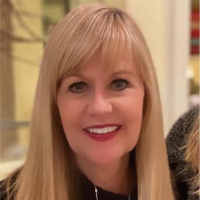
Carolyn Presnall is a Licensed Clinical Social Worker and a Licensed Professional Counselor with 42 years of experience. She helps people facing stress, anxiety, anger, grief, and changes that come with life stages. Her style is direct, warm, and practical for people looking for clear ways to cope.
She uses familiar, conversational techniques in sessions. Carolyn draws on client-centered methods to hear each person's goals and priorities. She also uses cognitive behavioral therapy to help people notice and change unhelpful thoughts and behaviors.
Background and approach
Emotionally-focused ideas guide work on stronger emotional connections and understanding feelings. Carolyn has worked in many settings, including independent practice, hospitals, residential programs, and educational environments. That background involved supporting adults, adolescents, and older adults through grief, mood disorders, and caregiving stress.
She has experience with trauma-related concerns and with problem-focused work like parenting strategies and school-related issues. Her approach mixes practical tools and conversational coaching. Sessions often include clear steps to try between meetings and ways to track progress.
She emphasizes empathy, humor, and respect while helping people build coping skills for everyday life. Carolyn provides services from Texas and offers several online formats. She speaks English and brings decades of hands-on experience to common struggles such as depression, ADHD, and relationship stress.
If someone wants structured direction with a compassionate tone, Carolyn aims to make therapy straightforward and useful.
What Carolyn works with
Everything Carolyn lists, in the therapist's own terms. Anger is the reason this directory exists; the rest tells you what usually sits alongside it in Carolyn's practice.
- Stress, Anxiety
- Family conflicts
- Trauma and abuse
- Parenting issues
- Depression
- Relationship issues
- Grief
- Anger management
- Self esteem
- Bipolar disorder
- Coping with life changes
- ADHD
- Aging and geriatric issues
- Cancer
- Caregiver issues and stress
- Co-morbidity
- Divorce and separation
- Family of origin issues
- Family problems
- Hospice and end-of-life counseling
- Mood disorders
- Obsessions, compulsions, and OCD
- Social anxiety and phobia
- Workplace issues
- Young adult issues
Approaches Carolyn lists
- Client-Centered Therapy
- Cognitive Behavioral Therapy (CBT)
- Emotionally-Focused Therapy (EFT)
- Motivational Interviewing
- Solution-Focused Therapy
- Trauma-Focused Therapy
Listing an approach is not evidence of training in it. This directory copies what each therapist names and does not check training records.
How therapeutic approaches work online
Client-centered therapy focuses on listening and understanding a person's goals. The therapist follows the client's lead, reflects feelings, and helps people clarify what they want to change. This approach is useful for anyone who wants a respectful space to be heard.Cognitive Behavioral Therapy, or CBT, teaches practical tools to shift thoughts and behaviors. Sessions often include simple exercises and short practice tasks between meetings to reduce anxiety, anger, and low mood. It is helpful for people who want step-by-step strategies they can try right away.
Emotionally-Focused Therapy helps people recognize and name feelings and then use that awareness to change how they relate to others and themselves. It is useful for addressing intense emotions and improving emotional understanding.
Choosing the right approach is a collaborative process. The therapist will talk with each person about their goals, try a method, and adjust as needed. Clients and the therapist work together to find what fits best for the situation and preferences.
Online formats include video calls, phone sessions, live chat, and text-based messaging. Video calls allow face-to-face interaction and visual cues. Phone sessions can be easier when bandwidth or camera use is limited. Live chat and messaging are useful for quick check-ins, short coaching, or flexible scheduling. These options make it easier to fit therapy into a busy life while using the approaches described above.
Questions people ask about Carolyn
What kinds of problems does Carolyn help with?
She works with stress, anxiety, anger, depression, grief, parenting concerns, trauma and life transitions, among other issues listed in her specialties.
How would you describe her therapy style?
Her style is warm and practical. She uses client-centered conversation, cognitive behavioral techniques, and emotion-focused ideas to create clear steps people can try.
What is her professional background?
Carolyn has 42 years of experience in independent practice, hospitals, residential programs, and educational settings, including leadership roles in mental health services.
What credentials does she hold and where does she work?
She holds LCSW and LPC credentials and practices in Texas as indicated by her licensed status.
Which languages are sessions offered in?
Sessions are offered in English.
Can people outside the United States work with her?
She is not accepting international clients at this time and provides services within the United States.
What formats are available for sessions?
Sessions can be held via video calls, phone sessions, live chat, or text-based messaging to suit different needs and schedules.
How does billing and getting started work?
Cost varies by location and therapist availability and uses a subscription model that can be canceled at any time. To begin, select the Start Therapy button, complete a short matching questionnaire, and schedule according to availability.