Works with
- Anger
- Parenting issues
- Self esteem
- Career difficulties
- Coping with life changes
- Compassion fatigue
How Chabre works
Practical facts
- Credentials
- LCSW
- Licensed in
- Louisiana
- Years in practice
- 3
- Languages
- English
- Session format
- Online, through our partner platform
About Chabre
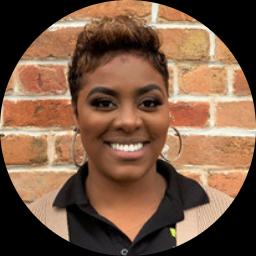
Chabre Jones is a licensed clinical social worker (LCSW) based in Louisiana who focuses on practical, person-centered care. She uses a conversational style to help people tackle issues like anger, anxiety, depression, and low self-esteem. Her work often centers on building motivation, confidence, and clearer communication.
She has three years of clinical experience and many more years in community-based work with children, youth, and families. That background informs how she supports people facing parenting challenges, adoption and foster care concerns, blended family issues, and workplace stress.
Background and approach
She also brings experience supporting LGBTQ people, first responders, and justice-involved youth. In sessions she leans on client-centered methods, cognitive behavioral tools, mindfulness practices, motivational interviewing, and narrative techniques. Expect practical exercises such as journaling, goal setting, and mindfulness skills alongside open conversation.
The approach is straightforward and focused on small, doable steps people can use day to day. People often seek her help for coping with life changes, grief, trauma and abuse, compassion fatigue, communication problems, and relationship strain. She also offers elements of coaching for career and life-purpose questions.
Her aim is to help clients notice strengths, set achievable goals, and try new ways of responding to stress. Chabre works with adults and young adults and provides sessions in English. She practices clinically in Louisiana as an LCSW and offers a mix of session formats to fit different needs.
What Chabre works with
Everything Chabre lists, in the therapist's own terms. Anger is the reason this directory exists; the rest tells you what usually sits alongside it in Chabre's practice.
- Parenting issues
- Self esteem
- Career difficulties
- Coping with life changes
- Compassion fatigue
- Stress, Anxiety
- LGBT
- Relationship issues
- Family conflicts
- Trauma and abuse
- Grief
- Anger management
- Depression
- Coaching
- Adoption and foster care
- Blended family issues
- Commitment issues
- Communication problems
- Coping with natural or human-caused disaster
- Emptiness
- Family problems
- First responder issues
- Infidelity
- Jealousy
- Life purpose
- Multicultural concerns
- Self-love
- Workplace issues
Approaches Chabre lists
- Client-Centered Therapy
- Cognitive Behavioral Therapy (CBT)
- Mindfulness Therapy
- Motivational Interviewing
- Narrative Therapy
- Solution-Focused Therapy
Listing an approach is not evidence of training in it. This directory copies what each therapist names and does not check training records.
How therapy approaches translate to online care
Client-Centered Therapy focuses on listening, empathy, and supporting a person’s own goals. Online sessions using this approach tend to be conversational and aim to create a space where people can speak freely and set the pace of work.Cognitive Behavioral Therapy (CBT) offers concrete tools to change unhelpful thoughts and behaviors. In video or phone sessions CBT can include step-by-step skill practice, thought records, and homework that people try between meetings to see real progress.
Mindfulness Therapy brings attention to the present moment with breathing, awareness exercises, and short practices that reduce reactivity. These techniques transfer well to online formats and can be practiced during or between sessions.
Finding the right approach is a collaborative process. The therapist will discuss goals, try methods that fit the person’s needs, and adjust the plan as progress is observed. Clients and the therapist decide together which tools to keep using.
Online sessions are available as video calls, phone sessions, live chat, or text-based messaging to increase flexibility. Video is useful for full conversations and visual cues, phone sessions can be easier when bandwidth is limited, live chat works for shorter check-ins, and messaging supports ongoing reflection between meetings. These options help fit therapy into busy schedules and different daily rhythms.
Questions people ask about Chabre
What concerns does this therapist help with?
Areas of focus include anger, anxiety, depression, parenting challenges, self-esteem, career concerns, grief, trauma and abuse, relationship and family problems, compassion fatigue, and workplace issues.
What is the general therapy style and approach?
Sessions are conversational and interactive with a client-centered stance. Techniques may include cognitive behavioral strategies, mindfulness, motivational interviewing, narrative work, journaling, and goal setting.
What kind of professional background does the therapist have?
The therapist has three years of clinical experience as an LCSW and additional years of community-based work with children, youth, and families, including work with justice-involved youth and first responder issues.
Where is the therapist located and what credential is held?
The clinician practices in Louisiana and holds the credential LCSW, indicating licensure as a licensed clinical social worker in the state.
Which languages are supported and are international clients accepted?
Sessions are offered in English. International clients are not currently accepted.
In what formats are sessions offered?
Sessions can be scheduled as video calls, phone sessions, live chat, or text-based messaging to suit different preferences and schedules.
How is cost handled for sessions?
Cost varies with location and therapist availability and sessions are provided via a subscription model that can be canceled at any time.
What is the process for getting started?
Begin by selecting the Start Therapy button, completing a short matching questionnaire, and then scheduling sessions according to the therapist's availability.