Works with
- Anger
- Stress, Anxiety
- Relationship issues
- Family conflicts
- Trauma and abuse
- Depression
How Kandace works
- Not listed
Practical facts
- Credentials
- LCMHC
- Licensed in
- North Carolina
- Years in practice
- 3
- Languages
- English
- Session format
- Online, through our partner platform
About Kandace
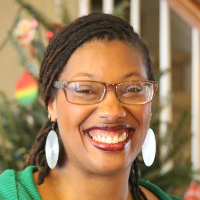
Kandace Graves is a licensed clinical mental health counselor in North Carolina. She uses practical, evidence-based methods to help people manage strong emotions and life changes. Her style is straightforward and supportive, aiming to move one step at a time toward clearer thinking and calmer reactions.
Kandace earned a Master of Science in Mental Health Counseling from Capella University and completed a 12-month internship serving an urban community in Ohio.
Background and approach
She holds the LCMHC credential in North Carolina. Her background includes work with people coping with trauma, grief, depression, anxiety, and relationship strain. In sessions she draws on approaches such as cognitive behavioral techniques, person-centered ideas, dialectical behavior strategies, and solution-focused methods.
She explains how thoughts shape feelings and behaviors, and then helps people try practical skills to shift those patterns. The work often includes short exercises to practice between sessions. Kandace is comfortable addressing issues like parenting stress, intimacy concerns, anger, self-esteem, bipolar disorder, ADHD, and transitions in life.
She describes therapy as a collaborative process where the pace is set by the client and goals are tracked over time. She is clear about the emotional risks that can come up in counseling, and she asks for commitment to do work between sessions to get the most benefit.
Kandace encourages questions and aims to create a calm, respectful space for people to talk and try new ways of coping.
What Kandace works with
Everything Kandace lists, in the therapist's own terms. Anger is the reason this directory exists; the rest tells you what usually sits alongside it in Kandace's practice.
How evidence-based approaches work online
CBT style techniques focus on identifying unhelpful thoughts and testing small behavior changes. Those steps translate well to video or phone sessions, where clients can talk through a situation and practice a new response in the moment.Dialectical behavior strategies teach skills for tolerating intense emotions and regulating reactions. These are taught in short, concrete exercises and homework that can be reviewed over chat or messaging between live sessions.
Person-centered work centers the client's experience and builds a dependable, respectful space to talk. That supportive stance helps people feel understood before trying practical skills for anger, anxiety, or relationship strain.
Choosing the right approach is a collaborative process. The therapist will work with each person to pick methods that match their goals, needs, and day-to-day routines. Plans can be adjusted as progress is made and new goals arise.
Online therapy offers flexibility: video calls for a full session, phone for lower bandwidth, live chat for quick check-ins, and text messaging for ongoing brief support. These formats make it easier to fit therapy into work, school, or parenting schedules while keeping work focused and practical.
Questions people ask about Kandace
What kinds of concerns does this counselor address?
Kandace helps with stress, anxiety, depression, trauma and abuse, grief, relationship and intimacy issues, parenting challenges, anger, self-esteem, bipolar concerns, ADHD, and coping with life changes.
What is the therapist's general approach in sessions?
She uses practical, evidence-based techniques like cognitive behavioral and dialectical strategies alongside person-centered and solution-focused ideas to help people change unhelpful thoughts and try new behaviors.
What experience does the counselor bring?
The therapist has three years of professional experience and completed a 12-month internship counseling men and women in an urban Ohio community during graduate training.
What credentials and location are listed for this therapist?
The counselor holds an LCMHC credential and is licensed in North Carolina; she trained at Capella University for her master’s degree.
Which languages are offered and are international clients supported?
Sessions are offered in English and international clients are not currently accepted.
What session formats are available?
Therapy is delivered via video calls, phone sessions, live chat, and text-based messaging to fit different schedules and needs.
How is cost handled for sessions?
Cost varies with location and therapist availability; sessions use a subscription model that can be canceled at any time.
How do I begin working with this therapist?
Start by selecting the Start Therapy button, complete a short matching questionnaire, and then schedule sessions according to the therapist's availability.