Works with
- Anger
- Stress, Anxiety
- Relationship issues
- Self esteem
- Depression
- Coping with life changes
How Rachel works
Practical facts
- Credentials
- LCSW
- Licensed in
- New Jersey
- Years in practice
- 10
- Languages
- English
- Session format
- Online, through our partner platform
About Rachel
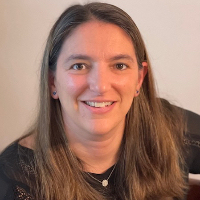
Rachel Cohen is a licensed clinical social worker in New Jersey with 10 years of experience. She focuses on helping people who feel overwhelmed, stuck, or upset by life changes and relationships. Rachel works with issues like stress, anxiety, anger, depression, grief, and challenges around parenting and eating.
She aims to make the first step straightforward and approachable. Her practice blends practical skill-building with open conversation. Sessions are collaborative - Rachel listens first, then helps clients set clear, realistic goals.
Background and approach
She uses tools from cognitive behavioral approaches to spot patterns of thinking and behavior. She also draws on client-centered methods to keep the work grounded in each person’s values. Rachel has experience supporting people facing medical and caregiving stress, including those affected by cancer, and has worked in the eating disorder field.
That background shapes how she handles health-related anxieties and the ripple effects on relationships and daily routines. She also supports people dealing with fertility challenges, pregnancy or infant loss, and the emotional fallout of major life transitions. Her sessions aim to strengthen internal coping and build external supports.
She offers practical strategies for managing intense emotions, improving communication, and restoring routine sleep and eating patterns. Rachel keeps the work focused on what will help now, while also exploring deeper patterns when helpful. Reaching out can feel hard.
Rachel meets people where they are and works together to find workable steps forward.
What Rachel works with
Everything Rachel lists, in the therapist's own terms. Anger is the reason this directory exists; the rest tells you what usually sits alongside it in Rachel's practice.
- Stress, Anxiety
- Relationship issues
- Self esteem
- Depression
- Coping with life changes
- Family conflicts
- Trauma and abuse
- Grief
- Intimacy-related issues
- Eating disorders
- Sleeping disorders
- Parenting issues
- Anger management
- Career difficulties
- Bipolar disorder
- Compassion fatigue
- ADHD
- Attachment issues
- Blended family issues
- Body image
- Cancer
- Caregiver issues and stress
- Commitment issues
- Communication problems
- Coping with natural or human-caused disaster
- Divorce and separation
- Eating and food-related issues
- Family of origin issues
- Family problems
- Fertility issues
- Infidelity
- Isolation / loneliness
- Jealousy
- Money and financial issues
- Mood disorders
- Postpartum depression
- Post-traumatic stress
- Pregnancy and childbirth
- Social anxiety and phobia
- Women's issues
Approaches Rachel lists
- Client-Centered Therapy
- Cognitive Behavioral Therapy (CBT)
- Dialectical Behavior Therapy (DBT)
- Motivational Interviewing
- Psychodynamic Therapy
- Solution-Focused Therapy
Listing an approach is not evidence of training in it. This directory copies what each therapist names and does not check training records.
Approach-focused care for online sessions
Rachel combines client-centered work with cognitive behavioral and dialectical behavior approaches to address everyday struggles. Client-centered therapy emphasizes listening and meeting each person where they are, which helps people facing stress, relationship problems, or parenting strain feel heard. Cognitive behavioral therapy, or CBT, focuses on identifying unhelpful thoughts and trying new behaviors, which can be useful for anxiety, low mood, anger, and sleep or eating concerns. Dialectical behavior therapy, or DBT, teaches concrete skills for emotion regulation, distress tolerance, and clearer communication, which is helpful when emotions feel overwhelming.Finding the right method is part of the work. Rachel treats it as a collaborative process and will try different strategies to see what fits a client's goals, needs, and preferences. She discusses options and adjusts techniques so the sessions meet what matters most to the person in front of her.
Online therapy offers practical flexibility. Video calls recreate a face-to-face conversation, phone sessions can work well when bandwidth is limited, and live chat or text-based messaging provide shorter check-ins or ongoing support between appointments. These formats make it easier to fit therapy into busy days, reach a therapist from anywhere in New Jersey, and choose the style that best supports progress.
Questions people ask about Rachel
What concerns does Rachel help with?
She helps people with stress, anxiety, anger, depression, grief, relationship and parenting challenges, eating and sleeping problems, and coping with life changes.
What is her therapeutic style like?
Her approach is collaborative and interactive. She works with clients to set goals and focuses on practical steps alongside deeper discussion.
How much clinical experience does she have?
Rachel has 10 years of experience working in clinical and independent practice settings, including work with medical issues and eating disorders.
What are her credentials and where is she based?
She is a licensed clinical social worker - LCSW - practicing in New Jersey.
Which languages are sessions offered in?
Sessions are offered in English.
What session formats does she use?
Rachel offers video calls, phone sessions, live chat, and text-based messaging for online therapy.
How are sessions paid for and billed?
Cost varies with location and therapist availability; sessions are provided through a subscription that can be canceled at any time.
How do I begin working with her?
Use the Start Therapy button, complete a short matching questionnaire, and then schedule sessions based on the therapist's availability.