Works with
- Anger
- Stress, Anxiety
- Relationship issues
- Family conflicts
- Anger management
- ADHD
How Shironda works
Practical facts
- Credentials
- LCMHC
- Licensed in
- North Carolina
- Years in practice
- 21
- Languages
- English
- Session format
- Online, through our partner platform
About Shironda
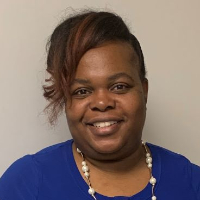
Shironda Bryant is a Licensed Clinical Mental Health Counselor practicing in North Carolina. She helps people who are feeling overwhelmed by stress, anxiety, depression, anger, or relationship strain. She also supports those navigating parenting challenges, ADHD, trauma and abuse, intimacy questions, and self-esteem concerns.
She has provided counseling in various roles since 2005 and has been licensed in North Carolina since 2012. Before that she began her counseling career in New Jersey.
Background and approach
Her background includes work in prisons, courts, schools, hospitals, and an army base, which gives her a broad view of life’s pressures. Her style is warm, interactive, and respectful. Sessions focus on listening first and finding practical steps that fit each person’s situation.
She avoids stigmatizing labels and treats clients with sensitivity and compassion. Shironda draws on existential ideas alongside practical methods to help clients make sense of hard choices and everyday struggles. She blends approaches to meet the situation - for example using solution-focused work to set goals and cognitive tools to change harmful thinking patterns.
People can expect conversations that are tailored to their needs, with attention to values, meaning, and real-world coping skills. Her aim is to help clients clarify goals, try small changes, and build better ways to handle stress, anger, and relationship difficulties.
What Shironda works with
Everything Shironda lists, in the therapist's own terms. Anger is the reason this directory exists; the rest tells you what usually sits alongside it in Shironda's practice.
- Stress, Anxiety
- Relationship issues
- Family conflicts
- Anger management
- ADHD
- Trauma and abuse
- Intimacy-related issues
- Parenting issues
- Self esteem
- Depression
- Adoption and foster care
- Blended family issues
- Caregiver issues and stress
- Commitment issues
- Communication problems
- Control issues
- Divorce and separation
- Domestic violence
- Family problems
- Forgiveness
- Young adult issues
Approaches Shironda lists
- Client-Centered Therapy
- Cognitive Behavioral Therapy (CBT)
- Existential Therapy
- Motivational Interviewing
- Solution-Focused Therapy
- Trauma-Focused Therapy
Listing an approach is not evidence of training in it. This directory copies what each therapist names and does not check training records.
How therapeutic approaches translate to online sessions
Client-Centered Therapy emphasizes listening and responding to what each person says. The therapist focuses on understanding your experience and helping you find your own solutions, which can be helpful for relationship worries, self-esteem, and navigating life transitions.Cognitive Behavioral Therapy, or CBT, looks at how thoughts, feelings, and actions connect. It uses straightforward techniques to spot unhelpful thinking and try new behaviors, often useful for anxiety, depression, anger, and ADHD-related challenges.
Finding the right approach is part of the work. The therapist will collaborate with clients to choose methods that match goals, needs, and personal style. That may mean mixing listening-based work with practical CBT tools or brief solution-focused steps to build momentum.
Online therapy offers flexible ways to meet. Video calls allow a face-to-face conversation for deeper dialogue and skill practice. Phone sessions work well when bandwidth is limited or a session must fit a short break. Live chat and text-based messaging support quick check-ins, ongoing reflection, or when written communication feels easier. These options make it simpler to keep continuity of care and try different formats to see what helps most.
Questions people ask about Shironda
What concerns does she commonly address?
She works with stress, anxiety, depression, anger, relationship and parenting issues, ADHD, trauma and abuse, intimacy concerns, and self-esteem problems.
What is her therapeutic style like?
Her style is warm and interactive with a focus on listening first. She uses practical strategies alongside conversations about values and meaning.
How much clinical experience does she have?
She has provided counseling since 2005 and has been licensed in North Carolina since 2012, totaling 21 years of experience in the field.
What are her credentials and where is she located?
She holds an LCMHC credential and practices in North Carolina.
Which languages are supported for sessions?
Sessions are offered in English.
Can people outside the US work with her?
She does not accept international clients at this time.
What session formats are available online?
She offers video calls, phone sessions, live chat, and text-based messaging for online work.
How does pricing and getting started work?
Cost varies with location and the subscription model used; subscriptions can be canceled at any time. To start, select the Start Therapy button, complete a short matching questionnaire, and schedule according to the therapist's availability.