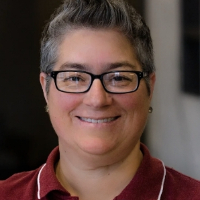
Cory Nelson
LPC
Counselor focused on practical change
- State
- South Dakota
- Experience
- 25 years
- Languages
- English
- Also works with
- Stress, Anxiety, Trauma and abuse, Grief, Depression
- How they work
- Client-Centered Therapy, Cognitive Behavioral Therapy
33 therapists based in South Dakota list anger among the things they work with. Sessions are online; a therapist can usually only see people in the states where they hold a licence, so check each profile.
Welcome to our directory of online anger therapists serving South Dakota. All therapists listed here hold a current license in their state, and you can explore profiles to compare their approaches, credentials, and languages. Browse the listings below to begin your search for a therapist who matches your needs.
Counselor focused on practical change
Therapist focused on practical change
Calm, practical help for anger and stress
Direct, practical support for anger and addiction
Practical guidance for anger and stress
Calm, practical counseling for life changes
Practical, experience-based support for life challenges
Calm, practical counseling for intense emotions
Practical support for anger and anxiety
Compassionate counselor for strong emotions
Practical help for anger and stress
Calm guidance for anger and life stress
Skilled counselor for anger and life changes
Calm guidance for strong feelings and recovery
Compassionate, practical therapy for strong emotions
Counselor combining career sense with emotional skills
Compassionate counselor focused on practical change
Patient guidance for strong emotions
Compassionate counselor for strong emotions
Practical support for stress and anger
Experienced psychologist focused on practical change
Calm, practical help for strong emotions
Supportive counselor for stress and anger management
Practical support for anger and mood concerns
Compassionate, practical support for stronger coping
Practical support for strong emotions
Calm guidance for strong emotions
Empathetic counselor focused on practical change
Calm, practical therapy for real problems
Calm, practical support for everyday challenges
Straightforward care for adult mental health
Practical, goal-focused therapy for lasting change
Calm, practical support for strong emotions
Some links on this page are partner links. We will earn a commission if you sign up through one, at no cost to you. It does not change what you pay or the order of the listings.
Online therapy has become a widely used option for people across South Dakota who want counseling that fits their schedule and lifestyle. In recent years, many licensed clinicians have incorporated remote sessions into their practices so that you can meet with a counselor from your home, workplace, or another convenient location. Laws and professional guidance emphasize that a clinician typically must be licensed in the state where you are located while receiving services, which helps ensure that the therapist meets state standards of practice. That means when you search for an online therapist, you are often looking for someone who lists South Dakota as their jurisdiction for practice or who otherwise meets the state licensing requirements for remote work.
Because online therapy removes the need to travel, residents of both urban centers and rural communities in South Dakota find it easier to access providers with specific expertise. The directory is designed to surface profiles that highlight clinicians' professional credentials, the therapeutic approaches they list, languages spoken, and areas of focus. Reading a therapist's profile can give you a clearer sense of their orientation and experience so you can make an informed choice about who might be a good match for your goals.
When you choose online therapy, you gain flexibility that can make ongoing care more practical. You can schedule sessions around work and family commitments and avoid long drives during harsh weather or across long distances. The convenience often helps people keep regular appointments, which supports steady progress over time. For those who live in less populated counties, online sessions expand the pool of therapists you can connect with, increasing the chance of finding someone who focuses on anger, relationship patterns, trauma, or other concerns that matter to you.
Beyond convenience, online therapy gives you more options for matching on communication style and cultural fit. You can search for clinicians who list experience working with similar life stages, specific stressors, or cultural backgrounds, and you can see which languages they list on their profiles. Many people find that being able to choose from a wider selection of therapists helps them find someone whose methods and demeanor resonate with them. If you have mobility limitations or caregiving responsibilities, online sessions can remove barriers to consistent participation and make it easier to engage in meaningful work toward change.
Online therapists in South Dakota address a broad range of emotional and behavioral concerns. If you are seeking help for anger, counselors often work with you on recognizing the triggers and patterns that lead to angry reactions, developing strategies to manage intense emotions, and repairing relationships affected by outbursts. Many clinicians also list approaches for anxiety, depression, relationship conflict, grief, stress related to work or caregiving roles, and life transitions. You will also find therapists who report experience supporting people dealing with trauma, substance use concerns, or co-occurring issues that influence mood and behavior.
Therapists vary in the techniques and theoretical perspectives they emphasize. Many list cognitive-behavioral therapy, dialectical behavior therapy, and acceptance and commitment therapy among their approaches, and some therapists list EMDR among their approaches. Profiles typically mention whether a clinician focuses on individual therapy, couples work, family therapy, or group formats, and they may also indicate the populations they commonly work with, such as adolescents, adults, or older adults. Reading these details can help you identify clinicians whose focus areas align with the challenges you want to address.
Verifying a therapist's license is an important step that helps you confirm a clinician is recognized by the state to practice counseling or related services. To verify licensure, begin by locating the clinician's full name and the license type shown on their profile, for example LPC, LCSW, LMFT, or psychologist credentials such as PhD or PsyD. Then consult the South Dakota state licensing board's online license lookup or directory. Most state boards maintain a searchable database where you can enter a name and view the license status, license number, issuance date, and any disciplinary actions that may be on record.
If you are unsure how to interpret the information you find, you can call or email the licensing board to request clarification. The board can explain the meaning of different license statuses, renewal cycles, and any public records about a practitioner. It is also reasonable to ask a therapist directly about their license number and the state that issued it; licensed clinicians can provide verification details you can cross-check with the board. Taking these steps will help you confirm that the person you are considering meets the state requirements to practice and is authorized to provide the type of services you need.
Starting with online therapy begins with clarifying what you want to work on and what matters most in a therapist. Think about whether you prefer a clinician who emphasizes practical skills and measurable goals or someone who focuses more on exploring emotions and life patterns. Once you identify a few profiles that seem promising, use the contact methods provided to ask questions about their approach, typical session structure, and whether they have experience with issues similar to yours. You can request a brief introductory conversation to get a sense of their communication style and whether you feel heard during that initial exchange.
When choosing a therapist, consider factors beyond credentials. Look for details about therapeutic approaches they list, the populations they mention working with, and any languages they speak. Consider the practical aspects that contribute to a good fit, such as therapist communication style, openness about policies and fees, and how they structure goals and progress. You might also reflect on cultural competence and whether the clinician demonstrates understanding of your background and values. Trust your instincts about whether you feel comfortable and understood in initial interactions, as that rapport is often a strong predictor of a productive working relationship.
Keep in mind that it is normal to try more than one clinician before you find the right fit for ongoing work. You are investing in a collaborative relationship, and thoughtful selection can help you make the most of your time in therapy. Use profile details and initial conversations to compare clinicians on the aspects that matter most to you, and choose someone who aligns with your goals, communication preferences, and the kind of support you want to receive.