Works with
- Anger
- Stress, Anxiety
- Addictions
- Relationship issues
- Trauma and abuse
- Grief
How Audrey works
Practical facts
- Credentials
- LMFT
- Licensed in
- California
- Years in practice
- 22
- Languages
- English
- Session format
- Online, through our partner platform
About Audrey
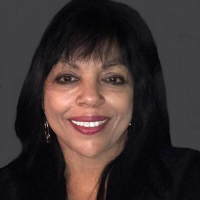
Audrey Heble is a licensed marriage and family therapist with 22 years of practice in California. She helps people manage stress, anxiety, anger, grief, and problems tied to relationships and addiction. Her style is direct and respectful, and she aims to make the first step feel manageable for someone who is nervous or unsure.
She shapes conversations and plans around each person’s situation. Sessions focus on practical skills and small changes that add up over time.
Background and approach
Audrey draws on grounded, evidence-informed methods to help people handle strong emotions and rebuild trust in their relationships. Her work often addresses trauma, intimacy-related struggles, and parenting strain. She also supports people facing life changes, career concerns, isolation, and issues that stem from family of origin.
Audrey pays attention to patterns that keep problems repeating and helps people experiment with new ways of relating and coping. Audrey uses several approaches to fit different needs, including Client-Centered Therapy, cognitive behavioral ideas, and emotion-focused work. She encourages clear goals and teaches tools for managing impulsivity, cravings, or intense mood shifts.
The aim is steady progress rather than quick fixes. People who meet with her can expect a practical, compassionate atmosphere. She listens first, then builds a plan together.
If you want focused help with anger or coping after a loss or trauma, she offers steady support and straightforward strategies.
What Audrey works with
Everything Audrey lists, in the therapist's own terms. Anger is the reason this directory exists; the rest tells you what usually sits alongside it in Audrey's practice.
- Stress, Anxiety
- Addictions
- Relationship issues
- Trauma and abuse
- Grief
- Family conflicts
- Intimacy-related issues
- Parenting issues
- Anger management
- Self esteem
- Career difficulties
- Depression
- Coping with life changes
- Abandonment
- Aging and geriatric issues
- Attachment issues
- Communication problems
- Coping with natural or human-caused disaster
- Dependent personality
- Divorce and separation
- Drug and alcohol addiction
- Family of origin issues
- Family problems
- First responder issues
- Impulsivity
- Isolation / loneliness
- Life purpose
- Midlife crisis
- Multicultural concerns
- Narcissism
- Obsessions, compulsions, and OCD
- Post-traumatic stress
Approaches Audrey lists
- Client-Centered Therapy
- Cognitive Behavioral Therapy (CBT)
- Dialectical Behavior Therapy (DBT)
- Emotionally-Focused Therapy (EFT)
- Existential Therapy
- Imago Relationship Therapy
- Jungian Therapy
- Mindfulness Therapy
- Motivational Interviewing
- Narrative Therapy
- Psychodynamic Therapy
- Solution-Focused Therapy
Listing an approach is not evidence of training in it. This directory copies what each therapist names and does not check training records.
Approaches that guide online sessions
Client-Centered Therapy focuses on listening and responding to what the person brings. The therapist follows the client’s priorities and uses empathy to help people feel understood and move toward change.Cognitive Behavioral Therapy, or CBT, breaks down problems into thoughts, feelings, and behaviors. It teaches practical exercises and small steps to reduce anxiety, manage anger, and shift unhelpful patterns.
Dialectical Behavior Therapy, or DBT, offers skills for regulating intense emotions and improving impulse control. It is useful for people who struggle with strong reactions, self-destructive behaviors, or trouble staying calm in conflict.
Finding the right approach is part of the work. The therapist will talk with each person about goals, try methods that fit, and adjust plans based on what helps most. This collaborative process helps shape a way of working that feels useful and realistic.
Online formats make it easier to fit sessions into a busy life. Video calls let people see and hear each other for fuller conversations. Phone sessions can be better when video isn’t convenient or bandwidth is limited. Live chat and text messaging are helpful for brief check-ins, skill practice between sessions, or when someone prefers typing to talking. These options support flexibility while keeping therapy focused on practical progress.
Questions people ask about Audrey
What concerns does Audrey commonly address?
She works with stress, anxiety, anger, depression, relationship issues, addictions, trauma, grief, and life transitions.
What is her general approach in sessions?
Sessions are collaborative and practical, focusing on clear goals, skill-building, and changing patterns that cause ongoing problems.
How much clinical experience does she have?
She has 22 years of professional experience working with people on a range of emotional and behavioral concerns.
What credentials and location are listed?
She is a Licensed Marriage and Family Therapist, California LMFT, and practices in California.
Which languages are offered for sessions?
Sessions are offered in English.
In what formats are sessions available?
Therapy is offered via video calls, phone sessions, live chat, and text-based messaging.
How does cost and billing work?
Cost varies with location and therapist availability; sessions use a subscription model that can be canceled at any time.
How do I begin working with her?
Select the Start Therapy button, complete a short matching questionnaire, and schedule according to therapist availability.