Search

Therapists for anger and Addictions

7,307 therapists list both anger and addictions among the things they work with. All offer sessions online; each profile shows the states they are licensed in.

This directory page features counselors and therapists who list addictions among their focus areas. Browse the listings below to compare approaches, credentials, languages, and professional backgrounds.

1–48 of 7,307Page 1 of 102

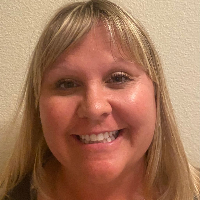
Chasity Keller Anderson

LCSW

Compassionate, practical support for everyday challenges

State
North Dakota
Experience
10 years
Languages
English
Also works with
Addictions, Stress, Anxiety, Relationship, Family
How they work
Acceptance and Commitment Therapy, Attachment-Based Therapy, Client-Centered Therapy

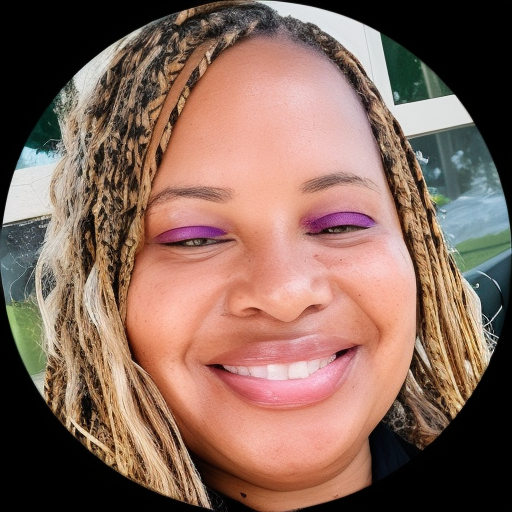
Dr. Chinell Collins

LPC

Helping people manage anger and life stressors

State
Pennsylvania
Experience
15 years
Languages
English
Also works with
Addictions, Stress, Anxiety, Trauma and abuse, Eating
How they work
Cognitive Behavioral Therapy, Dialectical Behavior Therapy, Mindfulness Therapy

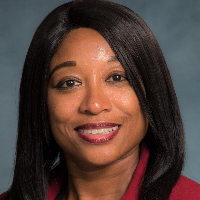
Sarah Cooper

LMHC

Practical, person-centered care for strong emotions

State
Florida
Experience
12 years
Languages
English
Also works with
Addictions, Stress, Anxiety, Family, Self esteem
How they work
Client-Centered Therapy, Cognitive Behavioral Therapy, Dialectical Behavior Therapy

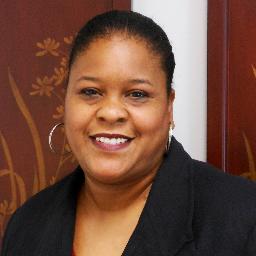
Shelle Savill

LPC

Practical support for anger and mood struggles

State
Pennsylvania
Experience
21 years
Languages
English
Also works with
Addictions, Stress, Anxiety, Relationship, Bipolar
How they work
Attachment-Based Therapy, Client-Centered Therapy, Emotionally-Focused Therapy

Theresa Smith

LPC

Calm, practical therapy for strong emotions

State
Oklahoma
Experience
20 years
Languages
English
Also works with
Addictions, Stress, Anxiety, Trauma and abuse, Depression
How they work
Acceptance and Commitment Therapy, Attachment-Based Therapy, Client-Centered Therapy

Joshua Plantz

LMHC

Compassionate counselor focused on practical change

State
Florida
Experience
23 years
Languages
English
Also works with
Addictions, Stress, Anxiety, Self esteem, Depression
How they work
Client-Centered Therapy, Cognitive Behavioral Therapy, Mindfulness Therapy

Mary Gales-Wenz

LICSW

Experienced LICSW focused on practical emotion skills

State
Minnesota
Experience
40 years
Languages
English
Also works with
Addictions, Stress, Anxiety, Trauma and abuse, Grief
How they work
Client-Centered Therapy, Cognitive Behavioral Therapy, Dialectical Behavior Therapy

Martha Green

LPC

Helping people manage anger and rebuild trust

State
Missouri
Experience
10 years
Languages
English
Also works with
Addictions, Relationship, Trauma and abuse, Self esteem
How they work
Client-Centered Therapy, Cognitive Behavioral Therapy, Emotionally-Focused Therapy

Melody Hatter

LCSW, CSW, LISW

Calm-focused, practical mental health support

State
Texas
Experience
10 years
Languages
English
Also works with
Addictions, Stress, Anxiety, Relationship, Self esteem
How they work
Acceptance and Commitment Therapy, Client-Centered Therapy, Cognitive Behavioral Therapy

Annette OBryant

LPC

Straightforward support for life’s hard moments

State
Texas
Experience
12 years
Languages
English
Also works with
Addictions, Stress, Anxiety, Trauma and abuse, Parenting
How they work
Client-Centered Therapy, Cognitive Behavioral Therapy, Emotionally-Focused Therapy

Willie Johnson

LCSW

Calm guidance for strong emotions

State
Nevada
Experience
32 years
Languages
English
Also works with
Addictions, Stress, Anxiety, Relationship, Family
How they work
Client-Centered Therapy, Cognitive Behavioral Therapy, Emotionally-Focused Therapy

Christine O'Neill

LPC, LCPC

Practical, goal-focused counselor with 18 years experience

State
Colorado
Experience
18 years
Languages
English
Also works with
Addictions, Stress, Anxiety, Relationship, Self esteem
How they work
Client-Centered Therapy, Cognitive Behavioral Therapy, Dialectical Behavior Therapy

Cindy Hannigan

LPC

Calm, practical support for strong emotions

State
Texas
Experience
12 years
Languages
English
Also works with
Addictions, Stress, Anxiety, Relationship, Trauma and abuse
How they work
Acceptance and Commitment Therapy, Attachment-Based Therapy, Client-Centered Therapy

Kimberly Tawney

MD, LCSW-C

Experienced clinician helping manage strong emotions

State
Maryland
Experience
3 years
Languages
English
Also works with
Addictions, Grief, Bipolar, Depression
How they work
Client-Centered Therapy, Cognitive Behavioral Therapy, Mindfulness Therapy

Lorie Boyd

LMHC

Helping people manage strong emotions and life challenges

State
New York
Experience
26 years
Languages
English
Also works with
Addictions, Stress, Anxiety, Family, Trauma and abuse
How they work
Client-Centered Therapy, Cognitive Behavioral Therapy

Wanda Bush

LPC

Calm, practical support for strong emotions

State
Louisiana
Experience
15 years
Languages
English
Also works with
Addictions, Stress, Anxiety, Relationship, Family
How they work
Attachment-Based Therapy, Client-Centered Therapy, Cognitive Behavioral Therapy

Dr. Vivia Hill-Silcott

LPC

Compassionate counseling for anger and life stress

State
Georgia
Experience
8 years
Languages
English
Also works with
Addictions, Stress, Anxiety, Relationship, Family
How they work
Client-Centered Therapy, Cognitive Behavioral Therapy, Dialectical Behavior Therapy

Marcos Villareal

LPC

Calm, experienced counselor for anger and life stress

State
Texas
Experience
20 years
Languages
English
Also works with
Addictions, Stress, Anxiety, Relationship, Depression
How they work
Acceptance and Commitment Therapy, Attachment-Based Therapy, Client-Centered Therapy

Lori Duhart

LCMHC

Compassionate counselor focused on practical change

State
North Carolina
Experience
15 years
Languages
English
Also works with
Addictions, Stress, Anxiety, Relationship, Self esteem
How they work
Client-Centered Therapy, Cognitive Behavioral Therapy, Solution-Focused Therapy

Dr. Paula Alvarez

LCSW

Practical guidance for intense emotions and life change

State
Missouri
Experience
35 years
Languages
English
Also works with
Addictions, Stress, Anxiety, Trauma and abuse, Bipolar
How they work
Acceptance and Commitment Therapy, Client-Centered Therapy, Cognitive Behavioral Therapy

Pamela Johnson

LCSW

Grounded therapist for emotional challenges

State
Florida
Experience
21 years
Languages
English
Also works with
Addictions, Stress, Anxiety, Trauma and abuse, Self esteem
How they work
Acceptance and Commitment Therapy, Client-Centered Therapy, Cognitive Behavioral Therapy

Dr. Robert Nolan

LMHC

Experienced LMHC focusing on practical change

State
Florida
Experience
30 years
Languages
English
Also works with
Addictions, Stress, Anxiety, Trauma and abuse, Bipolar
How they work
Client-Centered Therapy, Cognitive Behavioral Therapy, Dialectical Behavior Therapy

SanTanna Tave

LPC

Practical, skill-focused counseling for strong emotions

State
Texas
Experience
15 years
Languages
English
Also works with
Addictions, Stress, Anxiety, Depression, ADHD
How they work
Cognitive Behavioral Therapy

Prof. Ryan Davis

LPC

Compassionate counselor focused on practical change

State
Michigan
Experience
14 years
Languages
English
Also works with
Addictions, Stress, Anxiety, Relationship, Depression
How they work
Client-Centered Therapy, Emotionally-Focused Therapy

Suzanne Stokes

LMHC

Calm, experienced support for intense feelings

State
Florida
Experience
38 years
Languages
English
Also works with
Addictions, Stress, Anxiety, Relationship, Self esteem
How they work
Acceptance and Commitment Therapy, Attachment-Based Therapy, Client-Centered Therapy

Robert Lock

LPC

Practical support for stress and anger management

State
Mississippi
Experience
20 years
Languages
English
Also works with
Addictions, Stress, Anxiety, Relationship, Family
How they work
Client-Centered Therapy, Cognitive Behavioral Therapy, Dialectical Behavior Therapy

Zenobia Wilson

LPC

Practical, strengths-based counseling for life challenges

State
Louisiana
Experience
7 years
Languages
English
Also works with
Addictions, Stress, Anxiety, Relationship, Self esteem
How they work
Client-Centered Therapy, Cognitive Behavioral Therapy, Existential Therapy

Jeffrey Evans

LPC

Practical, respectful counseling for intense emotions

State
Texas
Experience
11 years
Languages
English
Also works with
Addictions, Stress, Anxiety, Family, Trauma and abuse
How they work
Acceptance and Commitment Therapy, Client-Centered Therapy, Cognitive Behavioral Therapy

Rachel Thornburg

LPC

Calm, practical support for strong emotions

State
Idaho
Experience
5 years
Languages
English
Also works with
Addictions, Stress, Anxiety, Relationship, Trauma and abuse
How they work
Client-Centered Therapy, Cognitive Behavioral Therapy, Emotionally-Focused Therapy

Carson Gerber

LPC

Practical therapy for anger and life stress

State
Texas
Experience
4 years
Languages
English
Also works with
Addictions, Stress, Anxiety, Trauma and abuse, Parenting
How they work
Client-Centered Therapy, Cognitive Behavioral Therapy, Dialectical Behavior Therapy

Marisa Esparza

LPC

Straightforward support for strong emotions and parenting strain

State
Texas
Experience
10 years
Languages
English
Also works with
Addictions, Stress, Anxiety, Parenting, Depression
How they work
Acceptance and Commitment Therapy, Attachment-Based Therapy, Client-Centered Therapy

Evalee Smith

LISW, LCSW, CSW

Compassionate, skills-focused mental health care

State
Georgia
Experience
25 years
Languages
English
Also works with
Addictions, Stress, Anxiety, Parenting, Self esteem
How they work
Attachment-Based Therapy, Client-Centered Therapy, Cognitive Behavioral Therapy

Jennifer Smith

LPC

Compassionate counselor focused on practical change

State
Texas
Experience
8 years
Languages
English, Spanish
Also works with
Addictions, Stress, Anxiety, Relationship, Trauma and abuse
How they work
Cognitive Behavioral Therapy, Solution-Focused Therapy, Trauma-Focused Therapy

Christopher Andrews

LPC

Practical, skills-based support for strong emotions

State
Georgia
Experience
18 years
Languages
English
Also works with
Addictions, Stress, Anxiety, Depression, Trauma and abuse
How they work
Cognitive Behavioral Therapy, Dialectical Behavior Therapy

Jade Mitchell

LCSW

Compassionate clinician focused on practical progress

State
Kentucky
Experience
9 years
Languages
English
Also works with
Addictions, Relationship, Parenting, Self esteem
How they work
Acceptance and Commitment Therapy, Attachment-Based Therapy, Cognitive Behavioral Therapy

Caroline Roach

LCSW

Compassionate LCSW focusing on practical change

State
Florida
Experience
10 years
Languages
English
Also works with
Addictions, Stress, Anxiety, Trauma and abuse, Grief
How they work
Client-Centered Therapy, Cognitive Behavioral Therapy, Mindfulness Therapy

Eric Forster

LCSW

Compassionate, practical support for life challenges

State
Illinois
Experience
20 years
Languages
English
Also works with
Addictions, Parenting, Career, Coaching
How they work
Client-Centered Therapy, Cognitive Behavioral Therapy, Motivational Interviewing

Mary Knight

LCSW

Calm, experienced support for anger and life change

State
Texas
Experience
34 years
Languages
English
Also works with
Addictions, Stress, Anxiety, Self esteem, Depression
How they work
Acceptance and Commitment Therapy, Client-Centered Therapy, Cognitive Behavioral Therapy

Rachael Figueroa

LCSW

Compassionate LCSW focused on practical change

State
New York
Experience
25 years
Languages
English, Spanish
Also works with
Addictions, Stress, Anxiety, Grief, Self esteem
How they work
Client-Centered Therapy, Cognitive Behavioral Therapy, Emotionally-Focused Therapy

Heidi Wendenburg

LPC

Compassionate help for strong emotions

State
Texas
Experience
5 years
Languages
English
Also works with
Addictions, Stress, Anxiety, Eating, Depression
How they work
Acceptance and Commitment Therapy, Attachment-Based Therapy, Client-Centered Therapy

Kristin Fox-Klingensmith

LPC

Compassionate counselor focused on practical change

State
Michigan
Experience
22 years
Languages
English
Also works with
Addictions, Stress, Anxiety, Trauma and abuse, Grief
How they work
Client-Centered Therapy, Cognitive Behavioral Therapy, Dialectical Behavior Therapy

Rodney Black

LCSW, LISW

Seasoned LCSW offering grounded, practical therapy

State
Iowa
Experience
31 years
Languages
English
Also works with
Addictions, LGBT, Trauma and abuse, Coping with life changes
How they work
Acceptance and Commitment Therapy, Attachment-Based Therapy, Client-Centered Therapy

Sarah Bulwinkle

LMHC

Experienced LMHC focusing on practical skills

State
Massachusetts
Experience
22 years
Languages
English
Also works with
Addictions, Family, Trauma and abuse, Parenting
How they work
Cognitive Behavioral Therapy, Dialectical Behavior Therapy, Mindfulness Therapy

Bryon Mitchell

LMHC, LPC

Direct, practical therapy for stress and anger

State
New York
Experience
19 years
Languages
English
Also works with
Addictions, Stress, Anxiety, Relationship, Grief
How they work
Client-Centered Therapy, Cognitive Behavioral Therapy, Motivational Interviewing

Traci White

LCPC

Calm guidance for overwhelming emotions

State
Illinois
Experience
5 years
Languages
English
Also works with
Addictions, Stress, Anxiety, Trauma and abuse, Self esteem
How they work
Acceptance and Commitment Therapy, Attachment-Based Therapy, Client-Centered Therapy

Mark Anderson

LPC

Calm practical care for strong emotions

State
Michigan
Experience
45 years
Languages
English
Also works with
Addictions, Stress, Anxiety, Trauma and abuse, Grief
How they work
Client-Centered Therapy, Cognitive Behavioral Therapy, Dialectical Behavior Therapy

Ilene Liner

LMHC

Calm guidance for strong emotions

State
Massachusetts
Experience
25 years
Languages
English
Also works with
Addictions, Stress, Anxiety, Relationship, Family
How they work
Attachment-Based Therapy, Client-Centered Therapy, Cognitive Behavioral Therapy

Jamie Clausen

LMHC

Compassionate counselor for emotion and anger regulation

State
Washington
Experience
10 years
Languages
English
Also works with
Addictions, Stress, Anxiety, Trauma and abuse, Self esteem
How they work
Client-Centered Therapy, Cognitive Behavioral Therapy, Dialectical Behavior Therapy

Some links on this page are partner links. We will earn a commission if you sign up through one, at no cost to you. It does not change what you pay or the order of the listings.

Understanding addictions and how they affect people

Addictions can involve substances, behaviors, or activities that you find difficult to control despite negative consequences. For some people the pattern begins with casual use or experimentation and gradually shifts into more frequent or intense involvement. Others find that certain stressors, trauma, or changes in relationships and work life make them more vulnerable to relying on a substance or behavior as a way to cope. Addiction often changes how you think, how you react to cravings, and how you prioritize needs, which can affect your health, relationships, finances, and daily functioning.

Because addictions interact with biology, environment, and learned patterns of thinking and behavior, you may experience strong urges, withdrawal symptoms, or a narrowing of interests. These shifts do not mean you are weak; they reflect how the brain adapts when substances or behaviors are repeatedly reinforced. You can find therapists who approach addictions from many perspectives - some emphasize skill-building to manage cravings and triggers, while others explore underlying emotional or relational factors that contribute to compulsive patterns. Understanding that addiction is a multi-faceted issue helps you look for support that addresses the parts of your life you want to change.

Signs you or someone you care about may benefit from addictions therapy

You might consider seeking professional support if the behavior or substance use is causing harm to your health, your relationships, or your ability to meet responsibilities. Common signs include unsuccessful attempts to cut back, spending a lot of time obtaining or recovering from use, and continued use despite negative consequences at work, school, or home. You may also notice changes in mood, withdrawal from social activities you once enjoyed, or secrecy around the behavior. Loved ones often notice patterns before you do, so conversations with trusted family members or friends can be an important indicator that help would be useful.

Therapy can be helpful even when you are uncertain about the severity of the problem. If you are experiencing strong cravings, continued use despite wanting to stop, or cycles of relapse and remorse, a focused therapeutic relationship can help you clarify goals, identify triggers, and build practical coping strategies. You may want to reach out if you are dealing with related mental health concerns such as anxiety, depression, trauma, or mood instability, because those issues can make it harder to change addictive patterns on your own. Looking for a therapist who lists addictions among their focus areas can connect you with professionals who have experience supporting people through these complicated processes.

What to expect in therapy sessions focused on addictions

When you begin therapy for addictions, your therapist will typically start by learning about your history, current patterns, and goals. Early sessions tend to focus on building rapport and a clear plan - you and the therapist will discuss what you hope to achieve, whether that means abstinence, reduced harm, or improved control. You may review recent episodes of use, identify high-risk situations, and map out triggers and coping responses. The pace and emphasis will depend on your needs - some people need practical relapse-prevention skills right away, while others benefit from addressing underlying emotional pain or relationships that contribute to use.

Therapy sessions often combine short-term strategies and longer-term work. In the short term you can expect to practice techniques for managing cravings, creating safety plans for high-risk moments, and developing healthier routines. Over time your work may shift to exploring thought patterns, unresolved grief, trauma, or interpersonal dynamics that maintain addictive behavior. Many therapists use a collaborative style that helps you track progress, adjust goals, and integrate new skills into daily life. If medication might be part of your care, therapists often coordinate with medical providers to ensure you have a comprehensive plan, though medication management itself is handled by prescribers.

Common therapeutic approaches used with addictions

Therapists use a range of approaches to address addictions, and you will find professionals who list different methods among their practices. Cognitive behavioral approaches are commonly listed and focus on identifying and changing thoughts and behaviors that contribute to use, while motivational approaches help you resolve ambivalence and strengthen your commitment to change. Some therapists list family or couples work when relationships are central to the pattern of use, and others include relapse prevention planning and harm reduction strategies for reducing risk.

There are also approaches that emphasize emotions and trauma, and you may find therapists who list trauma-informed care, psychodynamic techniques, or emotional regulation strategies among their approaches. Behavioral interventions such as contingency management or skills training can be useful when you need concrete, measurable steps to reinforce progress. Mindfulness-based practices are often listed as tools for tolerating cravings and building present-moment awareness. When you read profiles, note which approaches are described and consider how those methods align with your goals - whether you are seeking structured skills training, deeper emotional work, relationship-focused therapy, or a combination of methods.

How online therapy works for addictions

Online therapy can make it easier to connect with counselors who list addictions among their focus areas, especially if local options are limited. Sessions typically occur via video or phone, and they allow you to work with a therapist from your own home or another convenient location. Some people find online sessions reduce barriers to consistent care because travel and scheduling can be simpler. You should plan for a personal, uninterrupted place for your session so you can speak openly and participate fully in therapeutic exercises and planning.

In online work you can expect similar therapeutic elements to in-person care - assessment, goal-setting, skill-building, and exploration of underlying issues. Therapists may use shared digital worksheets, messaging for administrative matters, or video-based role-plays and exercises. If you need coordinated medical support, therapists can help you identify local prescribers or services when appropriate. Keep in mind that some interventions or assessments are best done in person, so your therapist may recommend a combination of telehealth and local services depending on your needs.

Practical tips for choosing the right addictions therapist

When you search therapist listings, pay attention to the ways professionals describe their approach to addictions. Look for clear language about whether they emphasize skill-based work, relapse prevention, motivational methods, or relational and trauma-focused care. Consider the credentials listed, the populations the therapist mentions working with, and any language or cultural competencies that matter to you. Reading profiles for examples of how therapists approach challenges can help you imagine what working together would feel like.

It can also help to reflect on your own goals before reaching out - do you want to stop using entirely, reduce harm, rebuild relationships, or manage co-occurring mental health symptoms? Identifying what matters most to you will guide your search and your conversations with potential therapists. When you reach a profile that seems promising, you can prepare questions about approach, session structure, and typical focus areas so you can compare how different therapists describe their work. Choosing a therapist is a personal decision - trusting your assessment of fit, communication style, and the therapist's focus areas will help you find someone who can support the changes you want to make.

Final considerations

Recovery and change are often nonlinear, and finding a therapist whose approach aligns with your goals can make the process more manageable. The listings on this page are a place to begin - by comparing approaches, background information, and descriptions of practice you can narrow your options. Whether you pursue in-person or online sessions, focusing on a clear plan, practical skills, and a therapist who lists addictions among their focus areas can help you move toward safer, healthier patterns over time.
Related pages

Also alongside anger

By state

Guides

Get started online