Works with
- Anger
- Stress, Anxiety
- Relationship issues
- Grief
- Anger management
- Coping with life changes
How Bruce works
- Not listed
Practical facts
- Credentials
- LMFT
- Licensed in
- California
- Years in practice
- 23
- Languages
- English
- Session format
- Online, through our partner platform
About Bruce
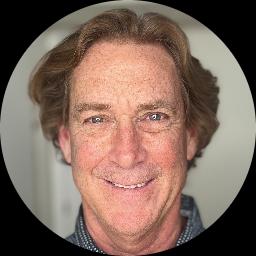
Bruce Bates is a licensed marriage and family therapist (LMFT) practicing in California. He has 23 years of clinical experience helping people who feel overwhelmed by stress, anxiety, anger, grief, or big life changes. He focuses on practical skills people can use between sessions to manage strong emotions and improve day-to-day functioning.
Bruce uses Dialectical Behavior Therapy, which blends cognitive-behavioral work with mindfulness and skill building. Sessions emphasize clear tools for emotion regulation, distress tolerance, and better communication.
Background and approach
The work is aimed at reducing outbursts, lowering anxiety, and making difficult situations easier to handle. His approach is straightforward and skills-oriented. People can expect coaching on techniques to pause before reacting, handle tense moments, and rebuild steadier routines.
The therapist helps set small, realistic goals and practices skills during sessions so they become useful in daily life. Bruce draws on more than two decades of experience to tailor the work to each person’s needs. He pays attention to patterns that fuel anger, impulsivity, and isolation, and offers step-by-step strategies to change them.
He also helps people cope with chronic illness, caregiver stress, workplace strain, and relationship communication problems. Sessions are offered in English and available through a range of online formats. Getting started involves a short matching questionnaire and scheduling a time that fits the person’s routine.
What Bruce works with
Everything Bruce lists, in the therapist's own terms. Anger is the reason this directory exists; the rest tells you what usually sits alongside it in Bruce's practice.
- Stress, Anxiety
- Relationship issues
- Grief
- Anger management
- Coping with life changes
- Caregiver issues and stress
- Chronic pain, illness, and disability
- Communication problems
- Control issues
- Forgiveness
- Impulsivity
- Isolation / loneliness
- Life purpose
- Panic disorder and panic attacks
- Post-traumatic stress
- Social anxiety and phobia
- Workplace issues
How evidence-based techniques work online
Bruce commonly uses Dialectical Behavior Therapy approaches that combine cognitive-behavioral skills with mindfulness. That means learning step-by-step tools to notice triggers, pause before reacting, and replace reactive behavior with calmer choices. This approach is often helpful for anger, anxiety, and emotion regulation challenges.He also emphasizes distress tolerance strategies that teach short-term ways to survive intense moments without making things worse. These practical skills help when strong feelings come on suddenly or during high-pressure situations, and they translate well to online sessions where role-playing and coaching can occur in real time.
Finding the right approach is a shared process. The therapist works collaboratively to identify which techniques fit a person’s needs, goals, and daily life. Together they try methods, track what helps, and adjust the plan based on results and preferences.
Online therapy offers flexibility that many people need. Video calls let the therapist observe reactions and practice skills visually. Phone sessions work well when bandwidth or camera use is limited. Live chat and text-based messaging are useful for shorter check-ins, skill reminders, and ongoing support between longer sessions. These options make it easier to fit therapy into a busy schedule and to use new skills where they matter most.
Questions people ask about Bruce
What concerns does Bruce commonly address?
He helps people facing stress, anxiety, anger, grief, relationship strain, and major life changes, along with related issues like caregiver stress, chronic pain, and workplace problems.
What is his general approach to therapy?
His work is skills-oriented and practical, emphasizing techniques to manage emotions, tolerate distress, and improve communication. Sessions focus on learning and practicing tools that can be used between meetings.
How much experience does he have?
Bruce has 23 years of clinical experience working as a licensed therapist in California.
Where is he licensed and based?
He practices in California and holds the LMFT credential, which stands for Licensed Marriage and Family Therapist.
Which languages are supported for sessions?
Sessions are offered in English.
What session formats are available?
He provides video calls, phone sessions, live chat, and text-based messaging to suit different preferences and schedules.
How is cost handled for sessions?
Cost varies with location and therapist availability; sessions use a subscription model that can be canceled at any time.
How do I begin working with him?
Start by selecting the Start Therapy button, complete a short matching questionnaire, and then schedule sessions according to the therapist's availability.