Search

Therapists for anger and Panic Disorder and Panic Attacks

5,371 therapists list both anger and panic disorder and panic attacks among the things they work with. All offer sessions online; each profile shows the states they are licensed in.

Find therapists who list panic disorder and panic attacks among their specialties and review profiles to learn about their approaches, experience, and languages. Browse the clinician listings below to identify professionals whose focus and style match your needs.

1–48 of 5,371Page 1 of 75

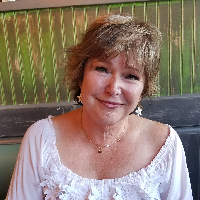
Chasity Keller Anderson

LCSW

Compassionate, practical support for everyday challenges

State
North Dakota
Experience
10 years
Languages
English
Also works with
Stress, Anxiety, Relationship, Family, Trauma and abuse
How they work
Acceptance and Commitment Therapy, Attachment-Based Therapy, Client-Centered Therapy

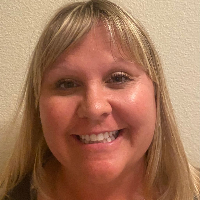
Dr. Chinell Collins

LPC

Helping people manage anger and life stressors

State
Pennsylvania
Experience
15 years
Languages
English
Also works with
Stress, Anxiety, Addictions, Trauma and abuse, Eating
How they work
Cognitive Behavioral Therapy, Dialectical Behavior Therapy, Mindfulness Therapy

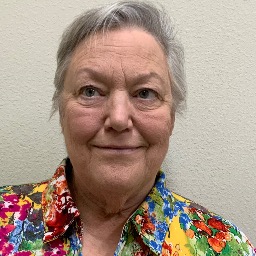
Sarah Cooper

LMHC

Practical, person-centered care for strong emotions

State
Florida
Experience
12 years
Languages
English
Also works with
Stress, Anxiety, Addictions, Family, Self esteem
How they work
Client-Centered Therapy, Cognitive Behavioral Therapy, Dialectical Behavior Therapy

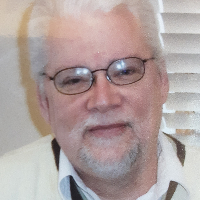
Shelle Savill

LPC

Practical support for anger and mood struggles

State
Pennsylvania
Experience
21 years
Languages
English
Also works with
Stress, Anxiety, Addictions, Relationship, Bipolar
How they work
Attachment-Based Therapy, Client-Centered Therapy, Emotionally-Focused Therapy

Alicia Colon

LICSW

Calm, practical guidance for intense emotions

State
Massachusetts
Experience
26 years
Languages
English
Also works with
Relationship, Trauma and abuse, Self esteem, Depression

Theresa Smith

LPC

Calm, practical therapy for strong emotions

State
Oklahoma
Experience
20 years
Languages
English
Also works with
Stress, Anxiety, Addictions, Trauma and abuse, Depression
How they work
Acceptance and Commitment Therapy, Attachment-Based Therapy, Client-Centered Therapy

Derricia Walters

LMHC

Compassionate counselor focused on practical skills

State
Indiana
Experience
4 years
Languages
English
Also works with
Stress, Anxiety, Self esteem, Depression, ADHD
How they work
Client-Centered Therapy, Cognitive Behavioral Therapy, Dialectical Behavior Therapy

Joanne (Jody) Girou

LMSW

Calm, practical help for anger and stress

State
Michigan
Experience
24 years
Languages
English
Also works with
Stress, Anxiety, Relationship, Family, Parenting
How they work
Acceptance and Commitment Therapy, Cognitive Behavioral Therapy, Dialectical Behavior Therapy

Willie Johnson

LCSW

Calm guidance for strong emotions

State
Nevada
Experience
32 years
Languages
English
Also works with
Stress, Anxiety, Relationship, Family, Trauma and abuse
How they work
Client-Centered Therapy, Cognitive Behavioral Therapy, Emotionally-Focused Therapy

Christine O'Neill

LPC, LCPC

Practical, goal-focused counselor with 18 years experience

State
Colorado
Experience
18 years
Languages
English
Also works with
Stress, Anxiety, Addictions, Relationship, Self esteem
How they work
Client-Centered Therapy, Cognitive Behavioral Therapy, Dialectical Behavior Therapy

Wynona Russ

LPC

Skilled counselor for emotion and behavior regulation

State
Louisiana
Experience
5 years
Languages
English
Also works with
Stress, Anxiety, Relationship, Family, Parenting
How they work
Client-Centered Therapy, Cognitive Behavioral Therapy, Dialectical Behavior Therapy

Cindy Hannigan

LPC

Calm, practical support for strong emotions

State
Texas
Experience
12 years
Languages
English
Also works with
Stress, Anxiety, Addictions, Relationship, Trauma and abuse
How they work
Acceptance and Commitment Therapy, Attachment-Based Therapy, Client-Centered Therapy

Wanda Bush

LPC

Calm, practical support for strong emotions

State
Louisiana
Experience
15 years
Languages
English
Also works with
Stress, Anxiety, Relationship, Family, Self esteem
How they work
Attachment-Based Therapy, Client-Centered Therapy, Cognitive Behavioral Therapy

Dr. Vivia Hill-Silcott

LPC

Compassionate counseling for anger and life stress

State
Georgia
Experience
8 years
Languages
English
Also works with
Stress, Anxiety, Relationship, Family, Grief
How they work
Client-Centered Therapy, Cognitive Behavioral Therapy, Dialectical Behavior Therapy

Marcos Villareal

LPC

Calm, experienced counselor for anger and life stress

State
Texas
Experience
20 years
Languages
English
Also works with
Stress, Anxiety, Relationship, Depression, Coping with life changes
How they work
Acceptance and Commitment Therapy, Attachment-Based Therapy, Client-Centered Therapy

Karen Andrews

LPC

Practical strategies for strong emotions

State
Connecticut
Experience
14 years
Languages
English
Also works with
Stress, Anxiety, Family, Trauma and abuse, Self esteem
How they work
Attachment-Based Therapy, Client-Centered Therapy, Cognitive Behavioral Therapy

Dr. Paula Alvarez

LCSW

Practical guidance for intense emotions and life change

State
Missouri
Experience
35 years
Languages
English
Also works with
Stress, Anxiety, Trauma and abuse, Bipolar, Depression
How they work
Acceptance and Commitment Therapy, Client-Centered Therapy, Cognitive Behavioral Therapy

Pete Mauro

LPC

Calm, practical help for everyday stress

State
Texas
Experience
5 years
Languages
English
Also works with
Stress, Anxiety, Relationship, Self esteem, Coping with life changes

Dr. Robert Nolan

LMHC

Experienced LMHC focusing on practical change

State
Florida
Experience
30 years
Languages
English
Also works with
Stress, Anxiety, Trauma and abuse, Bipolar, Depression
How they work
Client-Centered Therapy, Cognitive Behavioral Therapy, Dialectical Behavior Therapy

Prof. Ryan Davis

LPC

Compassionate counselor focused on practical change

State
Michigan
Experience
14 years
Languages
English
Also works with
Stress, Anxiety, Addictions, Relationship, Depression
How they work
Client-Centered Therapy, Emotionally-Focused Therapy

Rachel Thornburg

LPC

Calm, practical support for strong emotions

State
Idaho
Experience
5 years
Languages
English
Also works with
Stress, Anxiety, Addictions, Relationship, Trauma and abuse
How they work
Client-Centered Therapy, Cognitive Behavioral Therapy, Emotionally-Focused Therapy

Carson Gerber

LPC

Practical therapy for anger and life stress

State
Texas
Experience
4 years
Languages
English
Also works with
Stress, Anxiety, Trauma and abuse, Parenting, Coping with life changes
How they work
Client-Centered Therapy, Cognitive Behavioral Therapy, Dialectical Behavior Therapy

Marisa Esparza

LPC

Straightforward support for strong emotions and parenting strain

State
Texas
Experience
10 years
Languages
English
Also works with
Stress, Anxiety, Parenting, Depression, ADHD
How they work
Acceptance and Commitment Therapy, Attachment-Based Therapy, Client-Centered Therapy

Evalee Smith

LISW, LCSW, CSW

Compassionate, skills-focused mental health care

State
Georgia
Experience
25 years
Languages
English
Also works with
Stress, Anxiety, Parenting, Self esteem, Depression
How they work
Attachment-Based Therapy, Client-Centered Therapy, Cognitive Behavioral Therapy

Jennifer Smith

LPC

Compassionate counselor focused on practical change

State
Texas
Experience
8 years
Languages
English, Spanish
Also works with
Stress, Anxiety, Relationship, Trauma and abuse, Depression
How they work
Cognitive Behavioral Therapy, Solution-Focused Therapy, Trauma-Focused Therapy

Bernetta Moore Sutton

LPC, LCMHC

Practical support for stress and anger management

State
North Carolina
Experience
7 years
Languages
English
Also works with
Stress, Anxiety, Self esteem, Trauma and abuse, Grief
How they work
Client-Centered Therapy, Cognitive Behavioral Therapy

Rachael Figueroa

LCSW

Compassionate LCSW focused on practical change

State
New York
Experience
25 years
Languages
English, Spanish
Also works with
Stress, Anxiety, Grief, Self esteem, Depression
How they work
Client-Centered Therapy, Cognitive Behavioral Therapy, Emotionally-Focused Therapy

Heidi Wendenburg

LPC

Compassionate help for strong emotions

State
Texas
Experience
5 years
Languages
English
Also works with
Stress, Anxiety, Eating, Depression, Coping with life changes
How they work
Acceptance and Commitment Therapy, Attachment-Based Therapy, Client-Centered Therapy

Amy Powers

LPC

Calm, practical counseling for life’s pressures

State
South Carolina
Experience
17 years
Languages
English
Also works with
Stress, Anxiety, Relationship, Parenting, Depression
How they work
Client-Centered Therapy, Cognitive Behavioral Therapy, Dialectical Behavior Therapy

Jonetta Wakely

LPC

Practical counseling for emotion and relationship struggles

State
Oklahoma
Experience
20 years
Languages
English
Also works with
Stress, Anxiety, Relationship, Family, Trauma and abuse
How they work
Attachment-Based Therapy, Cognitive Behavioral Therapy, Dialectical Behavior Therapy

Sarah Bulwinkle

LMHC

Experienced LMHC focusing on practical skills

State
Massachusetts
Experience
22 years
Languages
English
Also works with
Family, Trauma and abuse, Parenting, Bipolar
How they work
Cognitive Behavioral Therapy, Dialectical Behavior Therapy, Mindfulness Therapy

Traci White

LCPC

Calm guidance for overwhelming emotions

State
Illinois
Experience
5 years
Languages
English
Also works with
Stress, Anxiety, Trauma and abuse, Self esteem, Depression
How they work
Acceptance and Commitment Therapy, Attachment-Based Therapy, Client-Centered Therapy

Mark Anderson

LPC

Calm practical care for strong emotions

State
Michigan
Experience
45 years
Languages
English
Also works with
Stress, Anxiety, Addictions, Trauma and abuse, Grief
How they work
Client-Centered Therapy, Cognitive Behavioral Therapy, Dialectical Behavior Therapy

Jamie Clausen

LMHC

Compassionate counselor for emotion and anger regulation

State
Washington
Experience
10 years
Languages
English
Also works with
Stress, Anxiety, Trauma and abuse, Self esteem, Bipolar
How they work
Client-Centered Therapy, Cognitive Behavioral Therapy, Dialectical Behavior Therapy

Christine Vollmer

LCSW

Practical support for navigating strong emotions

State
Wisconsin
Experience
16 years
Languages
English
Also works with
Stress, Anxiety, Grief, Self esteem, Depression
How they work
Client-Centered Therapy, Cognitive Behavioral Therapy, Mindfulness Therapy

Amy Woodward

LPC, LCMHC

Practical support for stress and anger

State
Vermont
Experience
11 years
Languages
English
Also works with
Stress, Anxiety, Trauma and abuse, Self esteem, Depression
How they work
Acceptance and Commitment Therapy, Client-Centered Therapy, Cognitive Behavioral Therapy

James Harris

LPC

Calm guidance for anger and life stress

State
Arkansas
Experience
5 years
Languages
English
Also works with
Stress, Anxiety, Addictions, Depression, Coping with life changes
How they work
Acceptance and Commitment Therapy, Client-Centered Therapy, Cognitive Behavioral Therapy

Ginger Vanmeter

LCSW

Compassionate, practical help for intense emotions

State
Kentucky
Experience
15 years
Languages
English
Also works with
Stress, Anxiety, Relationship, Parenting, Depression
How they work
Acceptance and Commitment Therapy, Attachment-Based Therapy, Client-Centered Therapy

Troy Gibson

LCPC

Gentle, practical therapy for life’s hard moments

State
Illinois
Experience
10 years
Languages
English
Also works with
Stress, Anxiety, LGBT, Relationship, Trauma and abuse
How they work
Client-Centered Therapy, Emotionally-Focused Therapy, Existential Therapy

Dr. Kendra Corning

NC Psychologist

Practical, compassionate help for strong emotions

State
North Carolina
Experience
12 years
Languages
English
Also works with
Stress, Anxiety, Trauma and abuse, Grief, Bipolar
How they work
Acceptance and Commitment Therapy, Client-Centered Therapy, Cognitive Behavioral Therapy

Diane DeRuyter

LMHC, LPC

Calm, practical support for managing strong emotions

State
New York
Experience
9 years
Languages
English
Also works with
Stress, Anxiety, Addictions, Self esteem, LGBT
How they work
Acceptance and Commitment Therapy, Client-Centered Therapy, Cognitive Behavioral Therapy

Cornelia Williams

LPC

Calm, practical support for everyday struggles

State
Georgia
Experience
7 years
Languages
English
Also works with
Stress, Anxiety, Addictions, Relationship, Family
How they work
Acceptance and Commitment Therapy, Attachment-Based Therapy, Client-Centered Therapy

Ilkem Onder

LMHC

Compassionate counselor focusing on practical change

State
Florida
Experience
7 years
Languages
English
Also works with
Stress, Anxiety, Relationship, Family, Grief
How they work
Client-Centered Therapy, Cognitive Behavioral Therapy, Mindfulness Therapy

Susan Rick

LCPC

Guided care for strong emotions

State
Illinois
Experience
8 years
Languages
English
Also works with
Stress, Anxiety, Trauma and abuse, Self esteem, Depression
How they work
Acceptance and Commitment Therapy, Client-Centered Therapy, Cognitive Behavioral Therapy

Eron Tworetzky

LMHC

Experienced counselor focused on real-life change

State
Florida
Experience
45 years
Languages
English
Also works with
Stress, Anxiety, Addictions, Relationship, Family
How they work
Client-Centered Therapy, Cognitive Behavioral Therapy, Emotionally-Focused Therapy

Some links on this page are partner links. We will earn a commission if you sign up through one, at no cost to you. It does not change what you pay or the order of the listings.

Understanding panic disorder and panic attacks

Panic attacks are intense episodes of fear or discomfort that peak within minutes and can include a fast heart rate, shortness of breath, trembling, dizziness, or a sense of losing control. When these attacks recur and lead to persistent concern or avoidance of places or situations where attacks occurred, clinicians often describe the pattern as panic disorder. The experience can be disorienting and may affect many parts of life - work, relationships, daily routines, and willingness to engage in activities you once enjoyed. Panic reactions are not a sign of personal failure, and many people find that focused support helps them regain confidence and reduce the impact of attacks.

Because panic symptoms overlap with other health conditions, many people seek evaluation from a medical provider first to rule out physical causes. Therapy then becomes a place where you can learn to understand the patterns that maintain panic, practice strategies for managing intense symptoms, and address avoidance behaviors that restrict your life. Over time, therapy aims to reduce the frequency and intensity of panic attacks and help you reengage with daily activities more comfortably.

How panic shows up day to day

Panic can appear suddenly, without an obvious trigger, or it can follow predictable stressors. You might notice that anxiety about having another attack becomes a problem in itself, shaping decisions like where you go and who you see. Some people develop rituals or avoidance strategies to prevent attacks, but those strategies can increase isolation and reduce quality of life. A therapist can help you identify these patterns and introduce alternative responses that reduce fear and expand your choices.

Signs you might benefit from therapy for panic

You may want to consider therapy if panic attacks occur repeatedly or if fear of future attacks changes how you live. Difficulty leaving the house, persistent worry about the physical sensations that accompany panic, or avoidance of social and work situations are common reasons people seek help. If panic symptoms are interfering with sleep, concentration, relationships, or your ability to carry out daily tasks, therapy can provide focused tools and emotional support to address those challenges.

Another reason to seek therapy is when attempts to cope on your own feel ineffective or increase isolation. People often report feeling embarrassed or ashamed about panic, which can delay getting help. A therapeutic relationship gives you a place to explore those feelings, learn strategies for symptom management, and set achievable goals for returning to activities that matter to you. You do not need to wait until symptoms are severe to reach out; early intervention often makes it easier to regain momentum in life.

When to combine therapy with other care

Therapy can be part of a broader care plan. If you and a medical provider are considering medication or other interventions, therapy can complement those options by focusing on behavioral and cognitive strategies. You can expect therapists to discuss how their work fits alongside medical care and to collaborate with other providers when that coordination is helpful. The decision about combining treatments is personal and should be made with information about benefits, risks, and what fits your goals.

What to expect in therapy sessions for panic disorder and panic attacks

Early sessions typically focus on understanding your history, what panic feels like for you, and how it affects daily life. You and the therapist will work to identify patterns - such as situations that trigger worries, thoughts that escalate fear, and behaviors that maintain anxiety. Sessions often include both conversation and experiential practice. You might learn breathing or grounding techniques to use during intense moments, and you may practice exposure strategies in a gradual, supported way to decrease avoidance.

Therapy is collaborative. You and the therapist set goals together and review progress over time. Sessions may involve homework - exercises to try between meetings that reinforce new skills and expand your comfort zone. Some people find that tracking attacks, triggers, and responses helps clarify patterns that can be changed. Expect pacing to be individualized; some people move quickly into exposure work, while others focus on stabilization and coping skills before addressing feared situations.

The therapeutic environment

Therapists aim to create a comfortable environment where you can discuss difficult experiences and try new strategies without judgement. They often teach practical tools you can use outside sessions while also exploring the emotional and cognitive factors that contribute to panic. If you prefer a therapist who emphasizes skills practice, look for clinicians who highlight behavioral approaches in their profile. If you want someone who also explores underlying emotional themes, consider therapists who describe a relational or psychodynamic focus among their approaches.

Common therapeutic approaches for panic disorder and panic attacks

Cognitive behavioral therapy is widely used for panic-related difficulties, and many therapists list CBT among their approaches. Within CBT, cognitive restructuring helps you examine and shift thoughts that amplify fear, while behavioral exercises such as exposure address avoidance and fear-of-symptoms directly. Interoceptive exposure focuses on reducing fear of physical sensations by intentionally and safely recreating mild versions of those sensations in session so you can learn they are manageable.

Mindfulness and acceptance-based approaches are often included as well. Therapists who list acceptance and commitment therapy or mindfulness-based strategies among their approaches work with you to change your relationship to anxious thoughts and sensations rather than trying to eliminate them altogether. Relaxation training, breathing retraining, and stress management techniques can provide immediate tools to reduce the intensity of an attack and increase your sense of control. Some therapists also integrate trauma-informed or relational methods when panic is tied to past experiences that need exploration.

Choosing approaches that fit you

When reviewing therapist profiles, notice which approaches are emphasized and how the clinician describes their work. Therapists who list multiple approaches may blend techniques to match your needs. You might prioritize a skills-focused therapist if you want practical strategies, or you might choose someone who balances skill-building with emotional exploration if you want to address underlying contributors to panic.

How online therapy works and tips for choosing the right therapist

Online therapy can expand access to clinicians who list panic disorder and panic attacks among their specialties. Sessions usually take place via video or phone, and many people find that remote sessions make it easier to connect from home, coordinate around schedules, and maintain consistency. In online sessions you can still practice exposure, learn breathing techniques, and review in-the-moment coping strategies with your therapist. Some clinicians incorporate digital tools or text-based messaging to support between-session practice, while others rely on in-session instruction and assigned exercises.

When choosing a therapist, think about the specifics that matter to you. Consider the therapeutic approaches you prefer and look for therapists who list those approaches in their profiles. Reflect on credentials, years of experience, and any languages spoken that help you feel understood. Pay attention to how clinicians describe their work - whether they emphasize practical skills, emotional processing, or a combination - and choose someone whose description aligns with your goals. You may also want to consider logistical preferences like session format and how therapists describe communication style.

Practical steps to begin

Start by identifying a few therapists whose profiles resonate with you. Read descriptions to understand how they conceptualize panic and what methods they use. If a profile mentions collaboration with medical providers or a focus on symptom management, that may align with your needs. Remember that the first few sessions are an opportunity to evaluate fit - how the therapist explains strategies, whether you feel heard, and whether the proposed plan matches your goals. Finding the right match can take time, but clarifying what matters to you will help direct your search.

Whether you pursue in-person or online care, therapy offers a structured path to reduce the impact of panic and rebuild confidence in daily life. With focused strategies, gradual practice, and a clinician who aligns with your preferences, many people find that they can reclaim activities and relationships that panic had narrowed. Use the listings above to explore clinicians who list panic disorder and panic attacks among their specialties and begin a search that centers your needs and goals.


Related pages

Also alongside anger

By state

Guides

Get started online