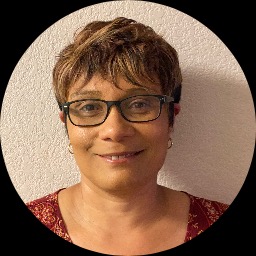
Charlene Sims, LMFT
Practical, strengths-based help for strong emotions
Explore online therapy optionsWorks with
- Anger
- Stress, Anxiety
- Anger management
- Depression
- ADHD
How Charlene works
Practical facts
- Credentials
- LMFT
- Licensed in
- California
- Years in practice
- 8
- Languages
- English
- Session format
- Online, through our partner platform
About Charlene
Charlene Sims is a licensed marriage and family therapist who helps people manage stress, anxiety, anger, depression, and ADHD. She works with individuals facing relationship strain, trauma and abuse, grief, and low self-esteem. Charlene writes plainly and listens carefully to what matters most to each person she meets.
Charlene frames sessions around the client's goals and strengths. She leans on client-centered methods to build trust and understand each person’s story.
Background and approach
Practical skills from cognitive behavioral therapy are used to spot and change unhelpful thinking and behavior patterns. When emotions run high, she draws on tools from dialectical behavior therapy to help with regulation and strong urges. Mindfulness practices are offered to bring attention back to the present moment and reduce reactivity.
Solution-focused work helps people identify small steps that create forward momentum. She has eight years of experience and holds a licensed marriage and family therapist credential, LMFT. Her work reflects a mix of trauma-focused ideas and straightforward skill-building for daily life.
Charlene values collaboration and helps people try concrete techniques between sessions. Charlene practices in California and conducts sessions in English. Her approach emphasizes respect for cultural background, and she addresses issues such as abandonment, attachment, caregiver stress, chronic illness, and military-related concerns when they appear in a person's story.
What Charlene works with
Everything Charlene lists, in the therapist's own terms. Anger is the reason this directory exists; the rest tells you what usually sits alongside it in Charlene's practice.
- Stress, Anxiety
- Anger management
- Depression
- ADHD
- LGBT
- Relationship issues
- Trauma and abuse
- Grief
- Self esteem
- Abandonment
- Attachment issues
- Body image
- Caregiver issues and stress
- Chronic pain, illness, and disability
- Communication problems
- Control issues
- Domestic violence
- Forgiveness
- Isolation / loneliness
- Life purpose
- Veteran and Armed Forces Issues
- Multicultural concerns
- Panic disorder and panic attacks
- Post-traumatic stress
- Self-love
- Social anxiety and phobia
- Women's issues
- Workplace issues
Approaches Charlene lists
- Client-Centered Therapy
- Cognitive Behavioral Therapy (CBT)
- Dialectical Behavior Therapy (DBT)
- Mindfulness Therapy
- Solution-Focused Therapy
- Trauma-Focused Therapy
Listing an approach is not evidence of training in it. This directory copies what each therapist names and does not check training records.
Approaches that translate well to online therapy
Client-centered therapy focuses on listening and reflecting so people feel understood and in charge of their goals. It helps when someone wants a therapist who follows their lead and builds on their strengths.Cognitive behavioral therapy, or CBT, teaches practical skills to identify unhelpful thoughts and change behavior. It is useful for anxiety, depression, anger, and symptoms of ADHD because it breaks problems into manageable steps and homework tasks.
Dialectical behavior therapy, DBT, offers tools for managing intense emotions and improving distress tolerance. It is helpful when strong reactions or impulsive behavior get in the way of daily life.
Finding the right approach is part of the work. The therapist will talk with each person about their needs, goals, and preferences, then try methods that fit. That process is collaborative and can shift as progress is made.
Online sessions use video calls, phone sessions, live chat, or text-based messaging to fit different lives. Video calls allow face-to-face conversation for skills practice. Phone sessions work when bandwidth or camera use is limited. Live chat and text messaging can help with quick check-ins, short coaching, or ongoing support between longer sessions. These options make it easier to fit therapy into work, family, or medical schedules.
Questions people ask about Charlene
What concerns does Charlene commonly address?
She helps people with stress, anxiety, anger, depression, ADHD, relationship strain, trauma and abuse, grief, and self-esteem issues, along with related concerns such as attachment and caregiver stress.
What is her therapeutic style like?
Sessions are collaborative and practical. Charlene combines client-centered listening with skill teaching from CBT, DBT, mindfulness, and solution-focused strategies.
How much clinical experience does she have?
She has eight years of professional experience working with a variety of emotional and life challenges.
Where is she licensed and located?
She holds a California LMFT credential and practices in California.
Which languages are offered for sessions?
Sessions are offered in English.
Can people outside the United States work with her?
International clients are not currently accepted; services are provided to those in supported regions.
What formats are available for sessions?
Charlene offers video calls, phone sessions, live chat, and text-based messaging to fit different schedules and communication preferences.
How does payment and scheduling work?
Costs vary by location and therapist availability; sessions are provided through a subscription that can be canceled at any time. To begin, select the Start Therapy button, complete the short matching questionnaire, and schedule according to availability.