Works with
- Anger
- Stress, Anxiety
- Family conflicts
- Parenting issues
- Anger management
- ADHD
How Charlotte works
Practical facts
- Credentials
- LMFT
- Licensed in
- Nevada
- Years in practice
- 10
- Languages
- English
- Session format
- Online, through our partner platform
About Charlotte
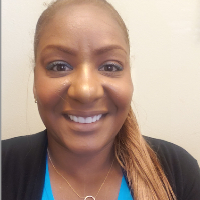
Charlotte Watley is a licensed Marriage and Family Therapist who helps people manage stress, anxiety, anger, parenting strains, ADHD challenges, grief, and self-esteem struggles. She uses a direct, listening-first approach that focuses on practical steps and clearer communication. Charlotte is based in Nevada and brings ten years of clinical experience to her work.
In sessions she emphasizes understanding how family patterns shape current problems. She draws on family systems ideas to map relationships and pinpoint what keeps old conflicts alive.
Background and approach
That perspective is paired with techniques that teach skills for managing emotions, reducing reactivity, and improving day-to-day functioning. Charlotte also uses cognitive behavioral strategies to help people spot unhelpful thoughts and test new behaviors. She incorporates dialectical behavior skills for managing strong feelings and improving emotional regulation.
Motivational interviewing is used when someone wants help sorting priorities and building momentum for change. Her style is conversational and goal-oriented. Conversations are practical and paced to each person’s needs.
Clients leave with clear ideas to try between sessions and steps to measure progress. Charlotte works with parents facing blended family issues, those dealing with attachment or family of origin problems, and people coping with intimacy, communication, or commitment concerns. She also supports those navigating body image, codependency, fatherhood issues, infidelity, and other relational stresses.
Sessions are offered in English and organized around each person’s goals. Charlotte employs a mix of therapy and coaching approaches to help people make steady, real-world change.
What Charlotte works with
Everything Charlotte lists, in the therapist's own terms. Anger is the reason this directory exists; the rest tells you what usually sits alongside it in Charlotte's practice.
- Stress, Anxiety
- Family conflicts
- Parenting issues
- Anger management
- ADHD
- Grief
- Intimacy-related issues
- Self esteem
- Coping with life changes
- Coaching
- Attachment issues
- Blended family issues
- Body image
- Codependency
- Commitment issues
- Communication problems
- Control issues
- Dependent personality
- Family of origin issues
- Family problems
- Fatherhood issues
- Infidelity
- Men's issues
- Narcissism
- Pregnancy and childbirth
- Prejudice and discrimination
- Seasonal Affective Disorder (SAD)
- Self-love
- Smoking / vaping cessation
- Social anxiety and phobia
- Women's issues
- Workplace issues
Approaches Charlotte lists
- Client-Centered Therapy
- Cognitive Behavioral Therapy (CBT)
- Dialectical Behavior Therapy (DBT)
- Jungian Therapy
- Motivational Interviewing
- Narrative Therapy
- Psychodynamic Therapy
- Solution-Focused Therapy
Listing an approach is not evidence of training in it. This directory copies what each therapist names and does not check training records.
How therapeutic approaches translate to online work
Client-Centered Therapy focuses on listening and building a trusting relationship. It helps people explore their feelings, clarify goals, and feel heard in sessions. Cognitive Behavioral Therapy, or CBT, helps people identify unhelpful thoughts and try new behaviors to reduce anxiety, anger, and low mood. It is often practical and homework-focused to create measurable change.Finding the right approach is part of the work together. Charlotte will talk with each person about goals, preferences, and what feels most useful. She collaborates to combine listening, skill-building, and motivational techniques so therapy fits the problem and the person.
Online therapy offers different ways to meet depending on what works best. Video calls let people connect face to face when a longer session is helpful. Phone sessions can be easier when bandwidth is limited or a shorter check-in is needed. Live chat and text-based messaging allow for brief, focused exchanges and ongoing support between sessions. These options make scheduling more flexible and help therapy fit into busy lives.
Questions people ask about Charlotte
What concerns does Charlotte commonly address?
She supports people facing stress, anxiety, anger, parenting and family problems, ADHD, grief, intimacy and self-esteem issues, and coping with life changes.
What is her therapeutic style like?
Her style is conversational and practical. Sessions focus on listening first, then building skills and steps people can try between visits.
How long has she been practicing?
Charlotte has ten years of clinical experience working with individuals and people dealing with family and relationship concerns.
What credential and region does she work from?
She is a Licensed Marriage and Family Therapist, LMFT, practicing in Nevada.
Which languages are sessions offered in?
Sessions are offered in English.
What session formats are available?
Therapy is available by video calls, phone sessions, live chat, or text-based messaging.
How is cost handled for sessions?
Cost varies with location and therapist availability; sessions use a subscription model that can be canceled at any time.
How do I begin working with Charlotte?
Start by selecting the Start Therapy button, completing a short matching questionnaire, and then scheduling according to the therapist's availability.