Works with
- Anger
- Addictions
- Relationship issues
- Family conflicts
- Intimacy-related issues
How Cheryl works
Practical facts
- Credentials
- LPC, LMFT
- Licensed in
- District of Columbia
- Years in practice
- 25
- Languages
- English
- Session format
- Online, through our partner platform
About Cheryl
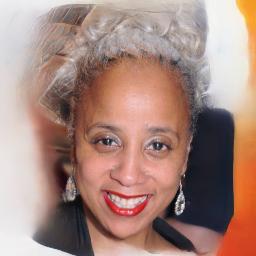
Cheryl Marrow is a licensed counselor and marriage and family therapist who helps people manage anger and stress and rebuild relationships. She focuses on practical steps someone can use right away. Cheryl draws on 25 years of practice to guide clients through changes and difficult emotions.
Her work centers on clear communication and problem solving. She uses straightforward conversations to identify patterns that cause fights, substance use, or recurring hurt.
Background and approach
Sessions often include skills for managing strong feelings, and tools to improve connection with others. Cheryl blends talk therapy with techniques that change unhelpful thinking and behavior. She uses client-centered listening to understand each person’s priorities.
Cognitive Behavioral Therapy helps people spot thinking traps and try new reactions. Dialectical Behavior Therapy offers skills for emotional regulation and distress tolerance. She has experience with issues such as addiction, intimacy concerns, codependency, and life transitions.
Cheryl also supports people working through abandonment, infidelity, blended family challenges, and midlife questions. Her background includes addressing veteran and armed forces issues. Cheryl practices in the District of Columbia and works in English.
Her stated credentials are Licensed Professional Counselor, LPC, and Licensed Marriage and Family Therapist, LMFT. She aims to make therapy a useful, manageable part of busy lives.
What Cheryl works with
Everything Cheryl lists, in the therapist's own terms. Anger is the reason this directory exists; the rest tells you what usually sits alongside it in Cheryl's practice.
- Addictions
- Relationship issues
- Family conflicts
- Intimacy-related issues
- Stress, Anxiety
- Anger management
- Self esteem
- Coping with life changes
- Abandonment
- Blended family issues
- Codependency
- Commitment issues
- Communication problems
- Control issues
- Divorce and separation
- Drug and alcohol addiction
- Family of origin issues
- Family problems
- Forgiveness
- Infidelity
- Life purpose
- Midlife crisis
- Veteran and Armed Forces Issues
- Multicultural concerns
- Obsessions, compulsions, and OCD
- Prejudice and discrimination
- Self-love
- Traumatic brain injury
- Women's issues
- Workplace issues
Approaches Cheryl lists
- Client-Centered Therapy
- Cognitive Behavioral Therapy (CBT)
- Dialectical Behavior Therapy (DBT)
- Emotionally-Focused Therapy (EFT)
- Gottman Method
- Imago Relationship Therapy
- Motivational Interviewing
- Solution-Focused Therapy
- Internal Family Systems
Listing an approach is not evidence of training in it. This directory copies what each therapist names and does not check training records.
Therapeutic approaches for online work
Client-Centered Therapy focuses on listening and understanding your goals. The therapist follows your lead and helps you shape what matters most, which is useful when sorting out relationship issues or finding life purpose.Cognitive Behavioral Therapy, or CBT, helps identify unhelpful thoughts and test new behaviors. It is practical work for anxiety, anger, and addiction-related habits that get in the way of daily life.
Dialectical Behavior Therapy, DBT, offers specific skills for handling intense emotions and improving distress tolerance. Those skills can reduce reactivity and provide alternatives to destructive responses.
Choosing the right approach is part of the work together. The therapist will discuss needs, goals, and preferences and recommend an approach or a mix of methods that fits. This happens collaboratively and can change as progress is made.
Online sessions offer flexibility across several formats: video calls, phone sessions, live chat, or text-based messaging. Video lets you use visual cues for relationship work, phone calls can fit a tight schedule or require less bandwidth, and messaging supports short check-ins or ongoing skill practice between sessions. These options make it easier to keep therapy consistent while juggling work, family, and other responsibilities.
Questions people ask about Cheryl
What kinds of problems does she help with?
She addresses anger, stress, anxiety, addictions, relationship and intimacy issues, and life changes like divorce or midlife crises.
What is her therapeutic style like?
She listens in a client-centered way and uses clear, practical tools from CBT and DBT to change thinking and manage strong emotions.
How much experience does this therapist have?
She brings 25 years of clinical experience working with people on communication problems, family of origin issues, and recovery from substance use.
What credentials and location are listed?
She holds LPC and LMFT credentials and practices in the District of Columbia as indicated by her credential details.
Which languages are supported for sessions?
Sessions are offered in English and international clients are accepted for online work.
What session formats are available?
Sessions can be conducted by video calls, phone sessions, live chat, or text-based messaging according to client preference.
How does payment and cost work?
Cost varies with location and therapist availability, and sessions use a subscription that can be canceled at any time.
How do I begin working with her?
Start by selecting the Start Therapy button, complete a short matching questionnaire, and then schedule sessions based on the therapist's availability.