Works with
How Dave works
Practical facts
- Credentials
- LCSW
- Licensed in
- Maine
- Years in practice
- 20
- Languages
- English
- Session format
- Online, through our partner platform
About Dave
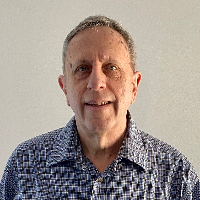
Dave Boldebook is a licensed clinical social worker with 20 years of experience helping people navigate hard life moments. He practices in Maine and works with concerns such as stress, anxiety, grief, depression, anger, addictions, and parenting strain. He aims to create a steady, respectful space where people can start to sort through what feels stuck.
He holds a Master of Social Work from the University of New England in Maine and has worked in community and residential settings.
Background and approach
That range gave him experience supporting people across the lifespan and in a variety of life circumstances, including aging and caregiver stress, cancer and end-of-life concerns. In sessions he emphasizes the relationship - listening closely, being direct when needed, and offering steady support.
He draws on client-centered ideas and cognitive behavioral tools to help people notice patterns and try different ways of responding. Mindfulness and acceptance strategies are also part of the approach when they fit the person’s goals. People who come to him often want practical steps and clearer direction.
He helps set small goals, practice skills between sessions, and track progress so change feels tangible. He also works with deeper questions about meaning, values, and how to live with difficult feelings. Dave tries to balance challenge with care.
He encourages people to lean into fear and resistance rather than avoid it, while offering concrete strategies for coping. The work is collaborative and paced to each person’s needs and strengths.
What Dave works with
Everything Dave lists, in the therapist's own terms. Anger is the reason this directory exists; the rest tells you what usually sits alongside it in Dave's practice.
- Stress, Anxiety
- Grief
- Self esteem
- Depression
- Compassion fatigue
- Addictions
- Relationship issues
- Family conflicts
- Trauma and abuse
- Intimacy-related issues
- Sleeping disorders
- Parenting issues
- Anger management
- Career difficulties
- Bipolar disorder
- Coping with life changes
- Aging and geriatric issues
- Cancer
- Caregiver issues and stress
- Co-morbidity
- Hospice and end-of-life counseling
Approaches Dave lists
- Acceptance and Commitment Therapy (ACT)
- Client-Centered Therapy
- Cognitive Behavioral Therapy (CBT)
- Existential Therapy
- Mindfulness Therapy
- Motivational Interviewing
- Narrative Therapy
- Psychodynamic Therapy
- Solution-Focused Therapy
- Trauma-Focused Therapy
Listing an approach is not evidence of training in it. This directory copies what each therapist names and does not check training records.
How online approaches shape practical care
Acceptance and Commitment Therapy (ACT) focuses on identifying personal values and taking small steps that match those values while learning to live with difficult feelings. This approach can help with anxiety, depression, grief, and anger by shifting attention toward meaningful action rather than fighting unwanted thoughts. Cognitive Behavioral Therapy (CBT) breaks problems into thoughts, feelings, and behaviors and uses simple experiments and practice to change unhelpful patterns. CBT is useful for stress, sleep problems, anxiety, and mood changes. Client-Centered Therapy emphasizes a warm, nonjudgmental relationship where the person leads the pace of work and the therapist listens deeply to support insight and growth.Choosing the right approach is part of the work together. The therapist will talk with the client about concerns, goals, and how they prefer to work. From there he adapts techniques and priorities so sessions feel jointly decided and responsive to changing needs.
Online therapy offers flexibility through video, phone, live chat, or text-based messaging. Video sessions allow face-to-face conversation and skill practice, phone sessions can fit a busy schedule or lower bandwidth situations, and chat or messaging can work for brief check-ins or ongoing support between appointments. These options help people access consistent care while balancing work, family, and other commitments.
Questions people ask about Dave
What concerns does Dave focus on?
He helps with stress, anxiety, grief, depression, anger, addictions, relationship and parenting challenges, and related life transitions. Additional focus areas include aging, cancer, caregiver stress, co-morbidity, and hospice and end-of-life counseling.
What is his general therapy style?
The approach centers on a strong therapeutic relationship with gentle challenge and practical tools. Sessions blend listening, empathy, goal-setting, and skills practice such as mindfulness and behavior change techniques.
How much clinical experience does he have?
He brings 20 years of clinical practice, including work in community and residential settings supporting a wide age range of people. That experience shapes a flexible, strengths-focused style.
What are his credentials and where is he based?
He is a LCSW - Licensed Clinical Social Worker - and practices in Maine. The LCSW credential is the only license detail provided.
Which languages are offered and are international clients accepted?
Sessions are offered in English, and he does accept international clients.
What session formats are available?
He meets via video calls, phone sessions, live chat, and text-based messaging to accommodate different needs and schedules.
How is cost handled for sessions?
Cost varies with location and therapist availability; sessions are provided through a subscription model that can be canceled at any time.
How do I begin working with him?
Start by selecting the Start Therapy button, complete a short matching questionnaire, and then schedule according to the therapist's availability.