Works with
- Anger
- Stress, Anxiety
- Bipolar disorder
- Depression
- Coping with life changes
- ADHD
How Debbie works
Practical facts
- Credentials
- LCMHC
- Licensed in
- North Carolina, New Jersey, New Hampshire
- Years in practice
- 20
- Languages
- English
- Session format
- Online, through our partner platform
About Debbie
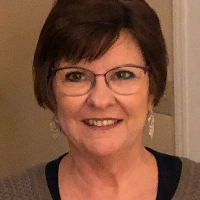
Debbie Esque is a Licensed Clinical Mental Health Counselor who focuses on helping people manage strong emotions and navigate stressful life changes. She draws on 20 years of experience to listen closely and work with each person to set clear, realistic goals. Her manner is warm and respectful while also being straightforward when direction helps progress.
Her work often centers on anger, anxiety, depression, mood concerns such as bipolar disorder, and stress from relationship or family strain.
Background and approach
She also supports people facing grief, parenting challenges, adoption and foster care issues, and life transitions. Debbie helps with attention-related concerns like ADHD and with obsessive or compulsive thinking patterns. Debbie uses Cognitive Behavioral Therapy, along with elements of rational emotive and integrative approaches.
In sessions she helps people identify thought patterns that feed difficult feelings and then practices new ways of responding. She pairs practical skills with spoken feedback so changes can be tried between sessions. Clients can expect a therapist who balances kindness with clear guidance.
Debbie emphasizes a good working relationship and a shared plan. She believes steady progress comes from setting achievable steps and tracking what helps. Based in North Carolina, Debbie brings a long career of hands-on experience and continuing learning to her work.
She values each person's story and aims to help them move toward more manageable emotions and better daily functioning.
What Debbie works with
Everything Debbie lists, in the therapist's own terms. Anger is the reason this directory exists; the rest tells you what usually sits alongside it in Debbie's practice.
- Stress, Anxiety
- Bipolar disorder
- Depression
- Coping with life changes
- ADHD
- Relationship issues
- Family conflicts
- Trauma and abuse
- Grief
- Intimacy-related issues
- Parenting issues
- Anger management
- Self esteem
- Career difficulties
- Adoption and foster care
- Autism and Asperger Syndrome
- Blended family issues
- Communication problems
- Coping with natural or human-caused disaster
- Divorce and separation
- Family problems
- Forgiveness
- Guilt and shame
- Hospice and end-of-life counseling
- Isolation / loneliness
- Life purpose
- Mood disorders
- Obsessions, compulsions, and OCD
- Paranoia
- Post-traumatic stress
- Seasonal Affective Disorder (SAD)
- Self-harm
- Self-love
- Social anxiety and phobia
- Women's issues
Approaches Debbie lists
Listing an approach is not evidence of training in it. This directory copies what each therapist names and does not check training records.
How CBT and Online Sessions Work Together
Debbie commonly uses Cognitive Behavioral Therapy, which looks at how thoughts influence feelings and actions. CBT breaks problems into smaller parts, teaches practical skills, and focuses on short-term changes useful for anxiety, depression, anger, and mood symptoms.She also blends rational emotive ideas, which challenge rigid or extreme beliefs that fuel distress, and integrates techniques from other helpful approaches when needed. Each method is used to teach specific skills that clients can practice between sessions, such as thought records, behavior experiments, and communication exercises.
Finding the right approach is a team effort. Debbie will talk with clients about their goals, preferences, and what has or hasn’t worked before, then try methods that fit. She checks in regularly and adjusts the plan based on progress and feedback.
Online formats include video calls, phone sessions, live chat, and text-based messaging. Video sessions allow face-to-face interaction for skill practice and demonstration. Phone sessions work well when bandwidth is limited or a shorter check-in is needed. Live chat and text messaging offer quick, flexible ways to touch base or reinforce skills between meetings. These options make it easier to fit therapy into busy schedules and to continue work even when in-person visits are not practical.
Questions people ask about Debbie
What concerns does Debbie commonly address?
She supports people dealing with stress, anxiety, depression, bipolar mood issues, anger, grief, parenting strain, relationship and family problems, ADHD, trauma and other mood or behavior concerns.
What is her general therapy style?
Her style is kind and attentive while also direct when needed. She focuses on clear goals, practical skills, and honest feedback to help people make changes between sessions.
What background does she bring to sessions?
Debbie has more than 20 years of clinical experience working with a range of concerns and life stages, which she combines with ongoing professional development and real-world insight.
Which credentials and location are listed?
She is a Licensed Clinical Mental Health Counselor, credentialed as an LCMHC in New Hampshire and North Carolina, and practices from North Carolina.
Are sessions available in other languages or internationally?
Sessions are offered in English. International clients are not currently accepted.
What session formats are offered?
Debbie works with video calls, phone sessions, live chat, and text-based messaging to fit different communication needs and schedules.
How are fees and payment handled?
Costs vary with location and therapist availability and are provided through a subscription model that can be canceled at any time.
How do I begin working with her?
Begin by selecting the Start Therapy button, complete a short matching questionnaire, and schedule sessions according to the therapist's availability.