Search

Therapists for anger and Guilt and Shame

7,360 therapists list both anger and guilt and shame among the things they work with. All offer sessions online; each profile shows the states they are licensed in.

Browse profiles of counselors who list guilt and shame among their specialties to learn about approaches, languages, credentials and experience. Use the listings below to explore therapists and find a counselor whose focus matches what you need.

1–48 of 7,360Page 1 of 103

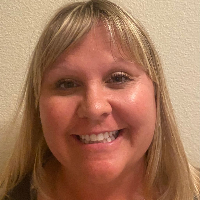
Chasity Keller Anderson

LCSW

Compassionate, practical support for everyday challenges

State
North Dakota
Experience
10 years
Languages
English
Also works with
Stress, Anxiety, Relationship, Family, Trauma and abuse
How they work
Acceptance and Commitment Therapy, Attachment-Based Therapy, Client-Centered Therapy

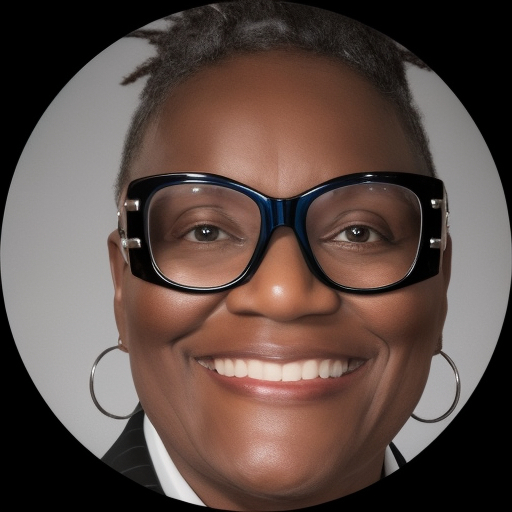
Dr. Chinell Collins

LPC

Helping people manage anger and life stressors

State
Pennsylvania
Experience
15 years
Languages
English
Also works with
Stress, Anxiety, Addictions, Trauma and abuse, Eating
How they work
Cognitive Behavioral Therapy, Dialectical Behavior Therapy, Mindfulness Therapy

Sarah Cooper

LMHC

Practical, person-centered care for strong emotions

State
Florida
Experience
12 years
Languages
English
Also works with
Stress, Anxiety, Addictions, Family, Self esteem
How they work
Client-Centered Therapy, Cognitive Behavioral Therapy, Dialectical Behavior Therapy

Shelle Savill

LPC

Practical support for anger and mood struggles

State
Pennsylvania
Experience
21 years
Languages
English
Also works with
Stress, Anxiety, Addictions, Relationship, Bipolar
How they work
Attachment-Based Therapy, Client-Centered Therapy, Emotionally-Focused Therapy

Theresa Smith

LPC

Calm, practical therapy for strong emotions

State
Oklahoma
Experience
20 years
Languages
English
Also works with
Stress, Anxiety, Addictions, Trauma and abuse, Depression
How they work
Acceptance and Commitment Therapy, Attachment-Based Therapy, Client-Centered Therapy

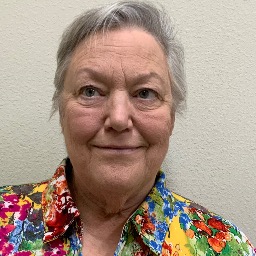
Mary Gales-Wenz

LICSW

Experienced LICSW focused on practical emotion skills

State
Minnesota
Experience
40 years
Languages
English
Also works with
Stress, Anxiety, Addictions, Trauma and abuse, Grief
How they work
Client-Centered Therapy, Cognitive Behavioral Therapy, Dialectical Behavior Therapy

Martha Green

LPC

Helping people manage anger and rebuild trust

State
Missouri
Experience
10 years
Languages
English
Also works with
Addictions, Relationship, Trauma and abuse, Self esteem
How they work
Client-Centered Therapy, Cognitive Behavioral Therapy, Emotionally-Focused Therapy

Annette OBryant

LPC

Straightforward support for life’s hard moments

State
Texas
Experience
12 years
Languages
English
Also works with
Stress, Anxiety, Trauma and abuse, Parenting, Self esteem
How they work
Client-Centered Therapy, Cognitive Behavioral Therapy, Emotionally-Focused Therapy

Joanne (Jody) Girou

LMSW

Calm, practical help for anger and stress

State
Michigan
Experience
24 years
Languages
English
Also works with
Stress, Anxiety, Relationship, Family, Parenting
How they work
Acceptance and Commitment Therapy, Cognitive Behavioral Therapy, Dialectical Behavior Therapy

Willie Johnson

LCSW

Calm guidance for strong emotions

State
Nevada
Experience
32 years
Languages
English
Also works with
Stress, Anxiety, Relationship, Family, Trauma and abuse
How they work
Client-Centered Therapy, Cognitive Behavioral Therapy, Emotionally-Focused Therapy

Christine O'Neill

LPC, LCPC

Practical, goal-focused counselor with 18 years experience

State
Colorado
Experience
18 years
Languages
English
Also works with
Stress, Anxiety, Addictions, Relationship, Self esteem
How they work
Client-Centered Therapy, Cognitive Behavioral Therapy, Dialectical Behavior Therapy

Wynona Russ

LPC

Skilled counselor for emotion and behavior regulation

State
Louisiana
Experience
5 years
Languages
English
Also works with
Stress, Anxiety, Relationship, Family, Parenting
How they work
Client-Centered Therapy, Cognitive Behavioral Therapy, Dialectical Behavior Therapy

Cindy Hannigan

LPC

Calm, practical support for strong emotions

State
Texas
Experience
12 years
Languages
English
Also works with
Stress, Anxiety, Addictions, Relationship, Trauma and abuse
How they work
Acceptance and Commitment Therapy, Attachment-Based Therapy, Client-Centered Therapy

Kimberly Tawney

MD, LCSW-C

Experienced clinician helping manage strong emotions

State
Maryland
Experience
3 years
Languages
English
Also works with
Grief, Bipolar, Depression, Stress, Anxiety
How they work
Client-Centered Therapy, Cognitive Behavioral Therapy, Mindfulness Therapy

Dr. Vivia Hill-Silcott

LPC

Compassionate counseling for anger and life stress

State
Georgia
Experience
8 years
Languages
English
Also works with
Stress, Anxiety, Relationship, Family, Grief
How they work
Client-Centered Therapy, Cognitive Behavioral Therapy, Dialectical Behavior Therapy

Marcos Villareal

LPC

Calm, experienced counselor for anger and life stress

State
Texas
Experience
20 years
Languages
English
Also works with
Stress, Anxiety, Relationship, Depression, Coping with life changes
How they work
Acceptance and Commitment Therapy, Attachment-Based Therapy, Client-Centered Therapy

Karen Andrews

LPC

Practical strategies for strong emotions

State
Connecticut
Experience
14 years
Languages
English
Also works with
Stress, Anxiety, Family, Trauma and abuse, Self esteem
How they work
Attachment-Based Therapy, Client-Centered Therapy, Cognitive Behavioral Therapy

Dr. Paula Alvarez

LCSW

Practical guidance for intense emotions and life change

State
Missouri
Experience
35 years
Languages
English
Also works with
Stress, Anxiety, Trauma and abuse, Bipolar, Depression
How they work
Acceptance and Commitment Therapy, Client-Centered Therapy, Cognitive Behavioral Therapy

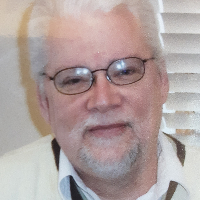
Pete Mauro

LPC

Calm, practical help for everyday stress

State
Texas
Experience
5 years
Languages
English
Also works with
Stress, Anxiety, Relationship, Self esteem, Coping with life changes

Pamela Johnson

LCSW

Grounded therapist for emotional challenges

State
Florida
Experience
21 years
Languages
English
Also works with
Stress, Anxiety, Addictions, Trauma and abuse, Self esteem
How they work
Acceptance and Commitment Therapy, Client-Centered Therapy, Cognitive Behavioral Therapy

Dr. Robert Nolan

LMHC

Experienced LMHC focusing on practical change

State
Florida
Experience
30 years
Languages
English
Also works with
Stress, Anxiety, Trauma and abuse, Bipolar, Depression
How they work
Client-Centered Therapy, Cognitive Behavioral Therapy, Dialectical Behavior Therapy

Prof. Ryan Davis

LPC

Compassionate counselor focused on practical change

State
Michigan
Experience
14 years
Languages
English
Also works with
Stress, Anxiety, Addictions, Relationship, Depression
How they work
Client-Centered Therapy, Emotionally-Focused Therapy

Suzanne Stokes

LMHC

Calm, experienced support for intense feelings

State
Florida
Experience
38 years
Languages
English
Also works with
Stress, Anxiety, Relationship, Self esteem, Depression
How they work
Acceptance and Commitment Therapy, Attachment-Based Therapy, Client-Centered Therapy

Jeffrey Evans

LPC

Practical, respectful counseling for intense emotions

State
Texas
Experience
11 years
Languages
English
Also works with
Stress, Anxiety, Addictions, Family, Trauma and abuse
How they work
Acceptance and Commitment Therapy, Client-Centered Therapy, Cognitive Behavioral Therapy

Rachel Thornburg

LPC

Calm, practical support for strong emotions

State
Idaho
Experience
5 years
Languages
English
Also works with
Stress, Anxiety, Addictions, Relationship, Trauma and abuse
How they work
Client-Centered Therapy, Cognitive Behavioral Therapy, Emotionally-Focused Therapy

Carson Gerber

LPC

Practical therapy for anger and life stress

State
Texas
Experience
4 years
Languages
English
Also works with
Stress, Anxiety, Trauma and abuse, Parenting, Coping with life changes
How they work
Client-Centered Therapy, Cognitive Behavioral Therapy, Dialectical Behavior Therapy

Marisa Esparza

LPC

Straightforward support for strong emotions and parenting strain

State
Texas
Experience
10 years
Languages
English
Also works with
Stress, Anxiety, Parenting, Depression, ADHD
How they work
Acceptance and Commitment Therapy, Attachment-Based Therapy, Client-Centered Therapy

Evalee Smith

LISW, LCSW, CSW

Compassionate, skills-focused mental health care

State
Georgia
Experience
25 years
Languages
English
Also works with
Stress, Anxiety, Parenting, Self esteem, Depression
How they work
Attachment-Based Therapy, Client-Centered Therapy, Cognitive Behavioral Therapy

Jennifer Smith

LPC

Compassionate counselor focused on practical change

State
Texas
Experience
8 years
Languages
English, Spanish
Also works with
Stress, Anxiety, Relationship, Trauma and abuse, Depression
How they work
Cognitive Behavioral Therapy, Solution-Focused Therapy, Trauma-Focused Therapy

Caroline Roach

LCSW

Compassionate LCSW focusing on practical change

State
Florida
Experience
10 years
Languages
English
Also works with
Stress, Anxiety, Trauma and abuse, Grief, Depression
How they work
Client-Centered Therapy, Cognitive Behavioral Therapy, Mindfulness Therapy

Elizabeth Schobitz

LCSW

Therapist focused on practical emotion skills

State
Texas
Experience
15 years
Languages
English
Also works with
Stress, Anxiety, Trauma and abuse, Self esteem, Bipolar
How they work
Acceptance and Commitment Therapy, Cognitive Behavioral Therapy, Solution-Focused Therapy

Mary Knight

LCSW

Calm, experienced support for anger and life change

State
Texas
Experience
34 years
Languages
English
Also works with
Stress, Anxiety, Addictions, Self esteem, Depression
How they work
Acceptance and Commitment Therapy, Client-Centered Therapy, Cognitive Behavioral Therapy

Heidi Wendenburg

LPC

Compassionate help for strong emotions

State
Texas
Experience
5 years
Languages
English
Also works with
Stress, Anxiety, Eating, Depression, Coping with life changes
How they work
Acceptance and Commitment Therapy, Attachment-Based Therapy, Client-Centered Therapy

Amy Powers

LPC

Calm, practical counseling for life’s pressures

State
South Carolina
Experience
17 years
Languages
English
Also works with
Stress, Anxiety, Relationship, Parenting, Depression
How they work
Client-Centered Therapy, Cognitive Behavioral Therapy, Dialectical Behavior Therapy

Jonetta Wakely

LPC

Practical counseling for emotion and relationship struggles

State
Oklahoma
Experience
20 years
Languages
English
Also works with
Stress, Anxiety, Relationship, Family, Trauma and abuse
How they work
Attachment-Based Therapy, Cognitive Behavioral Therapy, Dialectical Behavior Therapy

Rodney Black

LCSW, LISW

Seasoned LCSW offering grounded, practical therapy

State
Iowa
Experience
31 years
Languages
English
Also works with
Addictions, LGBT, Trauma and abuse, Coping with life changes
How they work
Acceptance and Commitment Therapy, Attachment-Based Therapy, Client-Centered Therapy

Sarah Bulwinkle

LMHC

Experienced LMHC focusing on practical skills

State
Massachusetts
Experience
22 years
Languages
English
Also works with
Family, Trauma and abuse, Parenting, Bipolar
How they work
Cognitive Behavioral Therapy, Dialectical Behavior Therapy, Mindfulness Therapy

Bryon Mitchell

LMHC, LPC

Direct, practical therapy for stress and anger

State
New York
Experience
19 years
Languages
English
Also works with
Stress, Anxiety, Relationship, Grief, Depression
How they work
Client-Centered Therapy, Cognitive Behavioral Therapy, Motivational Interviewing

Traci White

LCPC

Calm guidance for overwhelming emotions

State
Illinois
Experience
5 years
Languages
English
Also works with
Stress, Anxiety, Trauma and abuse, Self esteem, Depression
How they work
Acceptance and Commitment Therapy, Attachment-Based Therapy, Client-Centered Therapy

Mark Anderson

LPC

Calm practical care for strong emotions

State
Michigan
Experience
45 years
Languages
English
Also works with
Stress, Anxiety, Addictions, Trauma and abuse, Grief
How they work
Client-Centered Therapy, Cognitive Behavioral Therapy, Dialectical Behavior Therapy

Jamie Clausen

LMHC

Compassionate counselor for emotion and anger regulation

State
Washington
Experience
10 years
Languages
English
Also works with
Stress, Anxiety, Trauma and abuse, Self esteem, Bipolar
How they work
Client-Centered Therapy, Cognitive Behavioral Therapy, Dialectical Behavior Therapy

Christine Vollmer

LCSW

Practical support for navigating strong emotions

State
Wisconsin
Experience
16 years
Languages
English
Also works with
Stress, Anxiety, Grief, Self esteem, Depression
How they work
Client-Centered Therapy, Cognitive Behavioral Therapy, Mindfulness Therapy

Amy Woodward

LPC, LCMHC

Practical support for stress and anger

State
Vermont
Experience
11 years
Languages
English
Also works with
Stress, Anxiety, Trauma and abuse, Self esteem, Depression
How they work
Acceptance and Commitment Therapy, Client-Centered Therapy, Cognitive Behavioral Therapy

James Harris

LPC

Calm guidance for anger and life stress

State
Arkansas
Experience
5 years
Languages
English
Also works with
Stress, Anxiety, Addictions, Depression, Coping with life changes
How they work
Acceptance and Commitment Therapy, Client-Centered Therapy, Cognitive Behavioral Therapy

Some links on this page are partner links. We will earn a commission if you sign up through one, at no cost to you. It does not change what you pay or the order of the listings.

Understanding guilt and shame and how they affect you

Guilt and shame are powerful emotional experiences that shape how you see yourself and how you relate to others. Guilt typically arises when you perceive that you have done something wrong or harmed someone. It often motivates reparative action, like apologizing or making amends. Shame, by contrast, tends to focus on a sense of being flawed or defective at the core. When shame is present, you may feel unworthy, small, or eager to hide. Both emotions can overlap and show up together, but the internal messages they carry are different - guilt points to behavior while shame points to identity.

Left unaddressed, persistent guilt or shame can affect many areas of life. You may notice changes in relationships, such as withdrawing to avoid judgment or becoming overly self-critical in close interactions. Work performance and motivation can be influenced as you second-guess decisions or avoid challenges for fear of failure. Physical and mental well-being can be impacted too, with chronic self-blame contributing to anxiety, low mood, and difficulty relaxing. Understanding these experiences as emotional responses rather than permanent truths about who you are is often a key first step in finding relief.

Signs you might benefit from therapy for guilt and shame

You might consider seeking professional support if guilt or shame frequently interferes with daily functioning or leaves you feeling stuck. This can look like repetitive rumination about past actions, an inability to forgive yourself, or a tendency to avoid relationships or new opportunities because you fear exposure. If you find yourself over-apologizing, taking on disproportionate responsibility for problems, or engaging in self-punishing behaviors, these are indicators that focused work could help. Intense emotional reactions to reminders of past events, difficulty trusting others, or trouble setting boundaries can also point to patterns that respond well to therapeutic attention.

Therapy can be useful whether your feelings stem from a recent event or long-standing experiences. People come to therapy with shame tied to past relationships, mistakes at work, parenting decisions, or identity-related concerns. Some find that cultural or family messages about honor, worth, or failure have shaped their self-view in ways that are now painful. If guilt or shame contributes to persistent anxiety, low mood, or undermines your ability to pursue goals, working with a counselor can help you develop different ways of understanding, processing, and responding to those feelings.

What to expect in sessions focused on guilt and shame

When you begin therapy for guilt and shame, the early sessions usually involve building rapport and clarifying what you want to change. Your counselor will ask about the history of these feelings, situations that trigger them, and how they affect your daily life. Together you can set goals that are meaningful to you - whether that is learning to tolerate painful memories, changing self-critical patterns, improving relationships, or taking concrete steps to make amends where needed. The pace and direction of work are guided by what feels manageable and useful to you.

Therapy often combines emotional processing with practical skills. You may spend time exploring the stories you tell yourself, noticing patterns of thought and behavior, and experimenting with new responses in and out of sessions. Therapeutic tasks might include practicing self-compassion exercises, rehearsing difficult conversations, or writing about events to reframe meaning. Over time you can learn to distinguish restorative guilt that prompts repair from toxic guilt that keeps you stuck, and to replace global shame-based beliefs with a more balanced sense of self. Many people also find that addressing bodily reactions - such as tension, panic, or shutdown - becomes an important part of the work.

Common approaches therapists use for guilt and shame

There is no single method that fits everyone, and therapists use a range of approaches depending on their orientation and the needs you describe. Cognitive-behavioral approaches focus on identifying and shifting unhelpful thought patterns that fuel guilt and shame, offering concrete tools for reducing rumination and changing behavior. Therapists who list acceptance and commitment therapy among their approaches may help you clarify values and take committed actions even when painful feelings are present. Compassion-focused work emphasizes developing a kinder inner voice and building emotional resilience so shame loses some of its power.

Other clinicians describe using narrative techniques to separate you from a shameful story, helping you re-author life events with different meanings. Psychodynamic approaches explore how early relationships and internalized messages contribute to shame-prone self-concepts. Somatic and body-centered work can be helpful when emotional pain is stored in bodily patterns, and some therapists list somatic experiencing or similar methods among their approaches. There are also experiential models and relational therapies that focus on repairing interpersonal wounds through corrective emotional experience. When you read therapist profiles, notice whether they list approaches that resonate with how you prefer to work, and keep in mind that a listed approach does not guarantee a particular level of training - it simply indicates what the clinician uses in practice.

How online therapy works for guilt and shame and how to choose a counselor

Online therapy offers a flexible way to access counselors who specialize in guilt and shame, especially if local options are limited or you prefer working from home. Sessions are commonly conducted by video or phone, and some therapists also offer shorter check-ins by message. Technology makes it possible to connect with clinicians who share your cultural background, speak your language, or list experience with specific life circumstances that relate to your feelings. Before starting, think about the setting that helps you feel most comfortable. Choose a quiet, uninterrupted place where you can speak freely and be emotionally present for the work.

When choosing a therapist, focus on fit rather than titles. Look for counselors who explicitly mention working with guilt and shame, or who describe related interests such as trauma, self-esteem, or relationship repair. Pay attention to descriptions of approaches, languages spoken, and areas of experience. Consider practical matters like session length, fee structure, and whether they accept insurance or offer a sliding scale if that is important to your budget. An initial consultation can help you gauge how the counselor listens, whether they validate your experience, and how they talk about goals and techniques. You might ask how they typically support clients working through shame - whether through cognitive reframing, compassion-building, narrative work, or somatic practices - and what a typical session might feel like.

Finally, trust your sense of safety and rapport. The relationship you build with a counselor is often the vehicle for change, so you should feel that you can be honest and that your experiences will be met with empathy and respect. It is okay to try a few clinicians before settling into a working relationship that feels productive. Therapy for guilt and shame is a process, and with thoughtful matching and a clear sense of your goals, you can find a therapeutic path that helps you move from self-blame toward healing and renewed agency.

Taking the next step

Exploring profiles and reading about approaches can help you narrow choices. As you review listings below, look for counselors whose focus areas, approaches and experience align with your priorities. Preparing a brief summary of what you want to address can make initial conversations more efficient and help you identify a counselor who is likely to support the kind of change you seek.


Related pages

Also alongside anger

By state

Guides

Get started online