Works with
- Anger
- Family conflicts
- Parenting issues
- Career difficulties
- Coping with life changes
- Compassion fatigue
How Ellen works
Practical facts
- Credentials
- LICSW
- Licensed in
- District of Columbia
- Years in practice
- 30
- Languages
- English
- Session format
- Online, through our partner platform
About Ellen
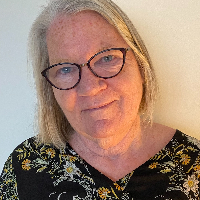
Ellen Walker is a licensed clinical social worker who helps people facing stress, anger, grief, depression, and major life changes. She writes simply and listens closely so parents and individuals can describe what’s happening. Ellen’s calm, practical style focuses on small steps that make daily life easier.
With three decades of experience in mental health and child welfare, she draws on many ways to help. She uses Cognitive Behavioral Therapy to spot and change unhelpful thinking patterns.
Background and approach
She also uses Motivational Interviewing to increase motivation for change and Solution-Focused techniques to set concrete goals. Sessions usually start with getting to know each other and identifying the issues that brought someone in. Ellen typically meets weekly for 45 minutes and treats therapy as a partnership.
She asks straightforward questions and helps people try new behaviors between meetings. Ellen prefers beginning with video sessions so both people can see each other, but she also offers phone, live chat, and text messaging. Many clients appreciate the flexibility of different formats and the option to switch as needs change.
She works from the District of Columbia and speaks English. Ellen accepts international clients and brings a steady, optimistic presence to difficult problems. Her goal is to help people gain practical skills, clearer thinking, and better ways to handle anger, family conflicts, and life transitions.
What Ellen works with
Everything Ellen lists, in the therapist's own terms. Anger is the reason this directory exists; the rest tells you what usually sits alongside it in Ellen's practice.
- Family conflicts
- Parenting issues
- Career difficulties
- Coping with life changes
- Compassion fatigue
- Stress, Anxiety
- Addictions
- LGBT
- Relationship issues
- Trauma and abuse
- Grief
- Intimacy-related issues
- Anger management
- Self esteem
- Bipolar disorder
- Depression
- ADHD
- Abandonment
- Adoption and foster care
- Aging and geriatric issues
- Blended family issues
- Caregiver issues and stress
- Codependency
- Commitment issues
- Communication problems
- Coping with natural or human-caused disaster
- Divorce and separation
- Domestic violence
- Family of origin issues
- Family problems
- Hospice and end-of-life counseling
- Isolation / loneliness
- Life purpose
- Midlife crisis
- Post-traumatic stress
- Sexual assault and abuse
- Women's issues
- Workplace issues
- Young adult issues
Approaches Ellen lists
- Client-Centered Therapy
- Cognitive Behavioral Therapy (CBT)
- Motivational Interviewing
- Solution-Focused Therapy
- Trauma-Focused Therapy
Listing an approach is not evidence of training in it. This directory copies what each therapist names and does not check training records.
Approaches that guide online work
Client-Centered Therapy focuses on listening and responding to the person in front of her. It helps people feel heard, name their priorities, and decide what to try next. Cognitive Behavioral Therapy (CBT) looks at thoughts and behaviors that keep problems going and teaches concrete strategies to change them, which can help with anger, anxiety, and mood issues.The right approach is usually found together. Ellen will talk through goals and preferences, try techniques that fit those goals, and adjust as progress is made. That collaborative process helps clarify which methods are most useful for each person.
Online sessions can take place by video, phone, live chat, or text-based messaging to match different needs. Video calls make it easier to read expressions and build rapport. Phone sessions work well when bandwidth is low or a simple check-in is needed. Live chat and text messaging are useful for quick updates, short reflections, or when writing feels easier than speaking. These options offer flexibility for busy schedules and changing routines, while still allowing regular weekly meetings and focused work on anger, family issues, or life transitions.
Questions people ask about Ellen
What kinds of concerns does Ellen address?
Ellen works with a wide range of concerns including anger, grief, depression, anxiety, relationship and family problems, addiction, and coping with life changes.
How would you describe her therapeutic style?
She uses a practical, client-centered style. Sessions focus on clear goals, skills practice, and straightforward conversation to help people manage daily struggles.
What is her professional background?
She has about 30 years of experience in mental health and child welfare settings, bringing long-term experience with trauma, grief, and family concerns.
Where is she licensed and based?
She is a LICSW (licensed independent clinical social worker) in the District of Columbia and practices from that region.
Which languages are supported for sessions?
Sessions are offered in English, and she accepts international clients.
What session formats are available?
She offers video calls, phone sessions, live chat, and text-based messaging to suit different needs and schedules.
How are sessions paid for and what does it cost?
Costs vary with location and therapist availability. Sessions use a subscription model that can be canceled at any time.
How do I begin working with her?
Click the Start Therapy button, complete a short matching questionnaire, and schedule according to the therapist's availability.