Works with
- Anger
- Trauma and abuse
- Grief
- Anger management
- Self esteem
Practical facts
- Credentials
- LCSW
- Licensed in
- Missouri
- Years in practice
- 39
- Languages
- English
- Session format
- Online, through our partner platform
About Floyd
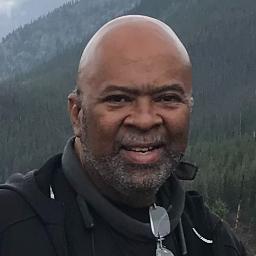
Floyd Smith is a Licensed Clinical Social Worker with 39 years of practice. He focuses on helping people who feel stuck after trauma, grief, or intense anger. He aims to create a calm, steady space where clients can talk through painful feelings and find practical ways forward.
He uses clear, practical methods to address anxiety, low self-esteem, and mood shifts. Sessions tend to focus on identifying unhelpful patterns and trying small changes that make daily life easier.
Background and approach
He pays attention to cultural background and how it shapes someone’s feelings and choices. Many people come to him for help with relationship strain, intimacy concerns, and communication problems. He also supports those facing bipolar disorder, depression, or burnout from caregiving and compassion fatigue.
He listens for how guilt, shame, or isolation get in the way of recovery and works with clients to undo those habits. Floyd draws on Client-Centered ideas to keep the work grounded in what matters most to each person. He pairs that with Cognitive Behavioral Therapy techniques to challenge thoughts and behaviors that fuel distress.
For trauma-related problems he uses Trauma-Focused methods to help process painful memories safely. His sessions are straightforward and collaborative. He helps people set realistic short-term goals and tracks progress in concrete ways.
People who prefer a respectful, direct, and culturally aware clinician tend to find his style a good match.
What Floyd works with
Everything Floyd lists, in the therapist's own terms. Anger is the reason this directory exists; the rest tells you what usually sits alongside it in Floyd's practice.
- Trauma and abuse
- Grief
- Anger management
- Self esteem
- Stress, Anxiety
- LGBT
- Relationship issues
- Intimacy-related issues
- Bipolar disorder
- Depression
- Coping with life changes
- Compassion fatigue
- ADHD
- Communication problems
- Forgiveness
- Guilt and shame
- Isolation / loneliness
- Jealousy
- Mood disorders
- Multicultural concerns
- Personality disorders
- Post-traumatic stress
- Sexual assault and abuse
- Young adult issues
Approaches Floyd lists
Listing an approach is not evidence of training in it. This directory copies what each therapist names and does not check training records.
Approaches that guide online sessions
Floyd combines Client-Centered Therapy and Cognitive Behavioral Therapy to shape his online work. Client-Centered Therapy centers sessions on the client's priorities, listening carefully and adapting the pace to what feels right. Cognitive Behavioral Therapy focuses on identifying unhelpful thoughts and testing new behaviors to reduce anxiety, anger, and low mood.He also uses Trauma-Focused Therapy when past events keep causing distress. That approach helps people process traumatic memories in manageable steps and build skills to handle strong feelings. Choosing which approach to use is a collaborative decision made with the client, based on goals, comfort, and what’s happening day to day.
Online sessions are offered as video calls, phone sessions, live chat, or text-based messaging to make therapy fit into busy lives. Video calls allow face-to-face conversation for deeper exploration, phone sessions can be easier when bandwidth is limited, and messaging or live chat can suit quick check-ins or ongoing support between appointments. These options let clients work around schedules, travel, or work demands while keeping the focus on concrete progress and problem-solving.
Questions people ask about Floyd
What concerns does Floyd commonly address?
He works with trauma and abuse, grief, anger, anxiety, depression, and mood disorders. He also helps with relationship and intimacy-related issues, self-esteem, and stress.
How would you describe his therapeutic style?
Sessions are collaborative and straightforward, blending empathetic listening with practical tools. The focus is on small changes that improve daily functioning.
How much experience does he have?
He has 39 years of experience as a clinician and has worked with a wide range of emotional and trauma-related concerns.
What are his credentials and location?
He is a Licensed Clinical Social Worker, LCSW, licensed in Missouri.
Which languages are supported for sessions?
Sessions are offered in English.
What session formats are available?
He meets by video calls, phone sessions, live chat, or text-based messaging to fit different needs and schedules.
How is cost handled?
Cost varies with location and therapist availability, and sessions use a subscription that can be canceled at any time.
What are the first steps to begin therapy?
Click the Start Therapy button, fill out a short matching questionnaire, and schedule sessions according to the therapist's availability.