Works with
- Anger
- Stress, Anxiety
- Family conflicts
- Parenting issues
- Coping with life changes
How Franklin works
Practical facts
- Credentials
- LCMHC
- Licensed in
- North Carolina
- Years in practice
- 6
- Languages
- English
- Session format
- Online, through our partner platform
About Franklin
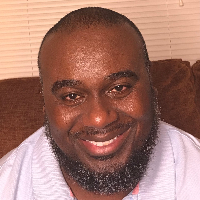
Franklin Moore is a Licensed Clinical Mental Health Counselor. He works from a person-centered viewpoint combined with practical, skills-based methods. Franklin focuses on helping people manage stress, anger, anxiety, depression, and relationship concerns.
He writes straightforward plans and offers clear steps people can try between sessions. He brings six years as a Licensed Clinical Mental Health Counselor in North Carolina and many more years working in community mental health. That background means he is familiar with everyday life stress, workplace strain, parenting pressures, and substance-related concerns.
Background and approach
He uses plain language and actionable tools rather than jargon. In sessions he uses Client-Centered Therapy to listen and build a supportive connection. He pairs that with Cognitive Behavioral Therapy, which helps pinpoint unhelpful thoughts and test new ways of coping.
Together these approaches guide changes in thinking and behavior that reduce distress. People often bring goals such as managing anger, reducing anxiety, improving self-esteem, or coping with grief and life transitions. Franklin also works with concerns tied to chronic pain, communication problems, and career stress.
He offers practical exercises, thought records, and real-world practice tasks to support steady progress. Sessions are offered in English and arranged according to the person’s schedule. Franklin aims to make therapy approachable and useful, with direct guidance and respect for each person’s pace.
What Franklin works with
Everything Franklin lists, in the therapist's own terms. Anger is the reason this directory exists; the rest tells you what usually sits alongside it in Franklin's practice.
- Stress, Anxiety
- Family conflicts
- Parenting issues
- Coping with life changes
- Addictions
- LGBT
- Relationship issues
- Trauma and abuse
- Grief
- Anger management
- Self esteem
- Career difficulties
- Depression
- Compassion fatigue
- ADHD
- Chronic pain, illness, and disability
- Communication problems
- Divorce and separation
- Emptiness
- Family problems
- Intellectual disability
- Men's issues
- Self-love
Approaches Franklin lists
Listing an approach is not evidence of training in it. This directory copies what each therapist names and does not check training records.
Approach and Online Formats for Practical Change
Client-Centered Therapy is focused on listening and building a strong working relationship. It gives people space to be heard and helps shape goals at a comfortable pace. Cognitive Behavioral Therapy, or CBT, helps identify unhelpful thoughts and test new behaviors with clear, at-home exercises; it is often used for anxiety, anger, and mood concerns.Finding the right approach is part of the work. The therapist will talk with each person about their goals and preferences and then recommend a mix of Client-Centered listening and CBT tools. This is a collaborative process where plans are adjusted as progress is tracked.
Online sessions include video calls, phone sessions, live chat, and text-based messaging. Video is useful for face-to-face conversation and guided exercises. Phone sessions work well when bandwidth is limited or for shorter check-ins. Live chat and messaging allow quick exchanges, homework review, and ongoing support between meetings. These options make it easier to fit therapy into a busy schedule and let people choose what feels most practical for them.
Questions people ask about Franklin
What issues does this therapist help with?
He works with stress, anxiety, anger, depression, grief, addictions, self-esteem, and relationship concerns, among other areas listed in his specialties.
What is his therapeutic style like?
He blends a Client-Centered approach with Cognitive Behavioral Therapy (CBT), offering listening and support alongside practical tools and exercises.
How much experience does he have?
He has six years as an LCMHC in North Carolina and additional years of experience working in community mental health settings.
What credentials and location does he hold?
He is a Licensed Clinical Mental Health Counselor (LCMHC) licensed in North Carolina and practices from that state.
Which languages are supported?
Sessions are offered in English only and international clients are not accepted at this time.
How are sessions delivered?
He provides video calls, phone sessions, live chat, and text-based messaging as session formats to fit different needs.
What does therapy cost here?
Cost varies with location and therapist availability; sessions use a subscription model that can be canceled at any time.
How do I begin working with him?
Click the Start Therapy button, complete a short matching questionnaire, and schedule sessions according to the therapist's availability.