Works with
- Anger
- Addictions
- LGBT
- Intimacy-related issues
- Depression
- Coaching
How Graham works
Practical facts
- Credentials
- LPC
- Licensed in
- Oregon
- Years in practice
- 14
- Languages
- English
- Session format
- Online, through our partner platform
About Graham
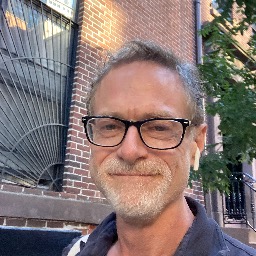
Graham Harriman is a Licensed Professional Counselor with 14 years of experience. He works from Oregon and brings a person-centered, existential outlook to sessions. His style blends mindfulness and attention to the mind-body connection.
He also uses practical coaching tools to help people navigate difficult moments. Graham often helps people manage anger and stress alongside anxiety and depression. He also supports those facing addiction concerns and intimacy or sexual identity questions, including LGBTQ topics.
Background and approach
He describes his work as nonreligious and spiritual, focused on how people relate to themselves and others. Before focusing on clinical work he spent time as a mental health program manager and a public health program director. That background included planning community services and allocating resources for people living with HIV.
He draws on that broad experience when helping people sort out complex life challenges. Graham uses a mix of methods in sessions. He applies client-centered techniques that prioritize the person’s perspective.
He uses mindfulness to build awareness and Dialectical Behavior Therapy skills to manage strong emotions. Sessions aim to be practical and grounded. People can expect clear conversation about goals and simple exercises to try between sessions.
He also offers coaching-style support for career, life purpose, and coping with big life changes. He has written and coauthored work on community responses to illness and social change. That work informs his focus on collective healing and mutual support in personal recovery.
What Graham works with
Everything Graham lists, in the therapist's own terms. Anger is the reason this directory exists; the rest tells you what usually sits alongside it in Graham's practice.
- Addictions
- LGBT
- Intimacy-related issues
- Depression
- Coaching
- Stress, Anxiety
- Relationship issues
- Family conflicts
- Trauma and abuse
- Grief
- Sleeping disorders
- Anger management
- Self esteem
- Career difficulties
- Bipolar disorder
- Coping with life changes
- Compassion fatigue
- ADHD
- Aging and geriatric issues
- BDSM, kink, and alternative sex culture
- Cancer
- Communication problems
- Emptiness
- Family problems
- HIV / AIDS
- Hospice and end-of-life counseling
- Immigration issues
- Isolation / loneliness
- Life purpose
- Men's issues
- Midlife crisis
- Mood disorders
- Multicultural concerns
- Polyamory / non-monogamous relationships
- Process addiction (porn, exercise, gambling)
- Self-love
- Sex addiction
- Sexual dysfunction
- Sexuality
- Workplace issues
- Young adult issues
Approaches Graham lists
- Client-Centered Therapy
- Dialectical Behavior Therapy (DBT)
- Existential Therapy
- Mindfulness Therapy
- Motivational Interviewing
- Narrative Therapy
Listing an approach is not evidence of training in it. This directory copies what each therapist names and does not check training records.
Approaches for strong emotions and life changes online
Graham uses Client-Centered Therapy to keep sessions focused on the person’s own goals and experience, listening closely and shaping work around what matters to the client. That approach helps when someone needs a steady, nonjudgmental space to talk about anger, grief, or identity concerns.He also draws on Dialectical Behavior Therapy skills to teach concrete strategies for managing intense feelings and improving emotional regulation. Those skills are useful for crisis moments, stress, and patterns that keep repeating in relationships.
Finding the right approach is part of the process. The therapist will work together with each person to choose which methods fit their needs, goals, and preferences. That might mean starting with mindfulness practices and adding DBT skills or coaching tools as needed.
Online formats include video calls, phone sessions, live chat, and text-based messaging. Video calls are suited to deeper discussions and skill teaching, phone sessions can be easier when bandwidth is limited, live chat offers a quick check-in, and text messaging supports short updates or ongoing coaching between sessions. These options make it easier to fit therapy into work, caregiving, or other busy schedules.
Questions people ask about Graham
What concerns does Graham commonly address?
He works with a wide range of issues including anger, addiction, anxiety, depression, intimacy and sexual identity concerns, trauma, grief, and sleep problems.
What is his therapeutic style like?
Sessions blend a person-centered, existential stance with mindfulness and practical skills. Conversations focus on the person’s goals and real-life steps they can take between meetings.
How much clinical experience does he have?
He has 14 years of experience as a mental health professional in clinical and program leadership roles.
What are his credentials and location?
He is a Licensed Professional Counselor (LPC) practicing from Oregon.
In what language are sessions offered?
Sessions are offered in English only and international clients are not currently accepted.
Which session formats are available?
He offers video calls, phone sessions, live chat, and text-based messaging to fit different schedules and needs.
How is cost handled for sessions?
Cost varies with location and therapist availability; sessions use a subscription model that can be canceled at any time.
How do I begin working with him?
Start by selecting the Start Therapy button, complete a short matching questionnaire, and then schedule sessions according to the therapist’s availability.