Works with
How Linda works
Practical facts
- Credentials
- LCSW
- Licensed in
- North Carolina
- Years in practice
- 15
- Languages
- English
- Session format
- Online, through our partner platform
About Linda
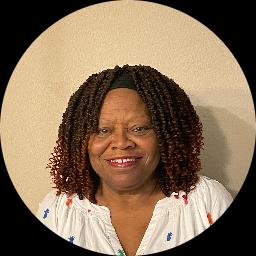
Linda Ferguson is a licensed clinical social worker in North Carolina who helps people manage stress, anger, anxiety, grief, and addiction. She uses straightforward, practical approaches to help clients feel heard and to address problems that interfere with daily life. Her style is warm and nonjudgmental and she aims to make the first steps easier to take.
In sessions she focuses on clear goals and simple, doable steps. She draws from client-centered work to follow what matters most to each person.
Background and approach
Cognitive behavioral techniques are used to spot patterns of thought and behavior that make problems worse and to build healthier habits. Motivational interviewing helps when someone feels stuck or unsure about change. Solution-focused ideas keep conversations practical and forward-looking, so progress can show up quickly.
Trauma-focused work is used when past events continue to affect mood, relationships, or day-to-day functioning. Linda brings about 15 years of experience in social work to her practice. She has supported people facing relationship strain, family issues, caregiver stress, and life transitions such as midlife concerns and aging challenges.
She also has experience with first responder and veteran issues, and with people living with HIV or AIDS. Sessions are offered in English and can take place via video, phone, live chat, or text messaging. Cost varies by location and use of a subscription model that can be canceled at any time.
To begin, follow the Start Therapy button and complete a short matching questionnaire to schedule sessions.
What Linda works with
Everything Linda lists, in the therapist's own terms. Anger is the reason this directory exists; the rest tells you what usually sits alongside it in Linda's practice.
- Stress, Anxiety
- Addictions
- Trauma and abuse
- Depression
- LGBT
- Relationship issues
- Family conflicts
- Grief
- Anger management
- Coaching
- Adoption and foster care
- Aging and geriatric issues
- Caregiver issues and stress
- Communication problems
- Domestic violence
- Drug and alcohol addiction
- Family of origin issues
- Family problems
- First responder issues
- HIV / AIDS
- Isolation / loneliness
- Life purpose
- Midlife crisis
- Veteran and Armed Forces Issues
- Mood disorders
- Multicultural concerns
- Personality disorders
- Postpartum depression
- Post-traumatic stress
- Prejudice and discrimination
- Self-love
- Sexual assault and abuse
- Social anxiety and phobia
- Women's issues
- Young adult issues
Approaches Linda lists
- Client-Centered Therapy
- Cognitive Behavioral Therapy (CBT)
- Motivational Interviewing
- Solution-Focused Therapy
- Trauma-Focused Therapy
Listing an approach is not evidence of training in it. This directory copies what each therapist names and does not check training records.
How her approaches translate to online work
Client-centered therapy is about focusing on what matters to the client and listening closely. Online sessions using this approach let people set the agenda and lead conversations about what they want to change. Cognitive Behavioral Therapy, or CBT, helps identify unhelpful thinking and behavior patterns and replace them with practical alternatives. In remote sessions CBT can include homework, mood tracking, and simple behavioral experiments to try between meetings.Linda also uses motivational interviewing to help people find their own reasons for change and build momentum. That method works well in a collaborative online setting where the therapist and client weigh options and set doable goals together. Choosing the right approach is part of the work; she will help figure out which methods fit a person’s goals, needs, and preferences so treatment feels relevant and realistic.
Online formats offer flexibility for busy lives. Video calls let people read facial cues and use visual tools during a session. Phone sessions can be easier when bandwidth is limited or when someone prefers not to be on camera. Live chat and text-based messaging provide brief check-ins, quick coaching, or ongoing support between longer sessions. These options make it easier to schedule regular work and keep progress moving forward.
Questions people ask about Linda
What kinds of concerns does Linda help with?
She supports people dealing with stress, anxiety, anger, addiction, grief, relationship and family problems, trauma and mood disorders among other concerns.
How would she describe her therapy style?
Her style is warm and nonjudgmental and centers on listening first. Sessions focus on clear goals and practical steps clients can try between meetings.
What background and experience does she have?
She has about 15 years of professional experience in social work and experience helping people with caregiver stress, first responder and veteran issues, and life transitions.
What are her credentials and where is she based?
She is an LCSW - Licensed Clinical Social Worker - licensed in North Carolina.
Can I work with her if I live outside the United States?
Sessions are offered in English and she is not accepting international clients at this time.
What session formats are available?
She offers video calls, phone sessions, live chat, and text-based messaging to fit different schedules and needs.
How much do sessions cost?
Cost varies with location and therapist availability; sessions use a subscription model that can be canceled at any time.
How do I begin if I want to try therapy?
Click the Start Therapy button, complete a short matching questionnaire, and then schedule sessions based on the matching results.