Works with
- Anger
- Stress, Anxiety
- Relationship issues
- Trauma and abuse
- Self esteem
- Depression
How Lora works
Practical facts
- Credentials
- LCSW
- Licensed in
- Virginia
- Years in practice
- 19
- Languages
- English
- Session format
- Online, through our partner platform
About Lora
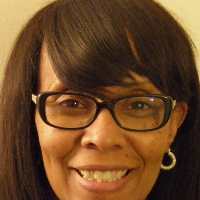
Lora Hack is a licensed clinical social worker (LCSW) with 19 years of experience supporting adults through stress, anxiety, trauma, and life transitions. She focuses on helping people connect with their authentic selves and build resilience. Her approach aims to reduce anxiety and depression and improve how people relate to themselves and others.
In sessions she listens closely and works collaboratively. She creates a warm, nonjudgmental environment where people can feel seen and heard.
Background and approach
Lora helps clients name patterns that cause pain and practices new ways of responding to difficult feelings. Her work addresses a broad range of concerns including relationship problems, anger, sleeping troubles, self-esteem, career pressures, bipolar mood concerns, ADHD, and compassion fatigue. She also works with issues tied to trauma, including post-traumatic stress and military sexual trauma, and with isolation, codependency, and forgiveness.
These topics are explored at a pace each person chooses. Lora draws on several clinical approaches to tailor sessions to each person. She uses practical strategies to manage symptoms and narrative work to make sense of life events.
Mindfulness exercises and acceptance-based tools are used to build tolerance for hard feelings. People come to therapy for different reasons and change looks different for everyone. Lora emphasizes steady progress, not quick fixes.
She aims to help people strengthen self-worth, stabilize relationships, and find clearer direction in life.
What Lora works with
Everything Lora lists, in the therapist's own terms. Anger is the reason this directory exists; the rest tells you what usually sits alongside it in Lora's practice.
- Stress, Anxiety
- Relationship issues
- Trauma and abuse
- Self esteem
- Depression
- LGBT
- Intimacy-related issues
- Sleeping disorders
- Anger management
- Career difficulties
- Bipolar disorder
- Coping with life changes
- Coaching
- Compassion fatigue
- ADHD
- Abandonment
- Codependency
- Communication problems
- Domestic violence
- Emptiness
- Fatherhood issues
- Forgiveness
- Isolation / loneliness
- Life purpose
- Veteran and Armed Forces Issues
- Obsessions, compulsions, and OCD
- Panic disorder and panic attacks
- Post-traumatic stress
- Self-love
- Social anxiety and phobia
- Women's issues
Approaches Lora lists
- Acceptance and Commitment Therapy (ACT)
- Client-Centered Therapy
- Cognitive Behavioral Therapy (CBT)
- Mindfulness Therapy
- Narrative Therapy
- Psychodynamic Therapy
- Solution-Focused Therapy
- Trauma-Focused Therapy
Listing an approach is not evidence of training in it. This directory copies what each therapist names and does not check training records.
Approaches and online options that meet you where you are
Acceptance and Commitment Therapy (ACT) focuses on helping people accept difficult feelings and commit to actions that match their values. It is useful when someone wants to stop struggling with internal experiences and start living in line with what matters. Cognitive Behavioral Therapy (CBT) looks at how thoughts, feelings, and behaviors connect and offers practical techniques to change unhelpful patterns. CBT helps with anxiety, panic, and mood symptoms by teaching specific skills to manage reactions. Client-Centered Therapy centers the person's experience and uses empathetic listening to help people feel understood and develop self-direction. This approach supports building self-worth and stronger relationships.Finding the right combination of approaches is part of the work together. Lora will discuss options and tailor methods to a person’s goals, needs, and preferences. The process is collaborative, with adjustments made as progress unfolds and new priorities appear.
Online therapy offers flexibility and helps fit care into busy lives. Video calls allow face-to-face conversation when more connection is helpful. Phone sessions require less bandwidth and can be easier during travel or tight schedules. Live chat or text-based messaging can be used for shorter check-ins, brief coaching, or ongoing support between sessions. These formats make it easier to maintain continuity of care while balancing work, family, and other commitments.
Questions people ask about Lora
What kinds of concerns can be addressed in sessions?
Sessions cover stress, anxiety, depression, trauma and abuse, relationship and intimacy-related issues, anger, sleep problems, ADHD, bipolar concerns, compassion fatigue, career stress, and related challenges.
How would you describe the therapy style?
The style is warm, nonjudgmental, and collaborative. Lora helps people identify repeating patterns and practices new responses at a comfortable pace.
What experience does the therapist bring?
She has 19 years of clinical experience working with adults on trauma, life transitions, anxiety, and relationship issues.
What are the therapist's credentials and location?
She is a Licensed Clinical Social Worker - LCSW - practicing in Virginia.
Which languages are supported and can international clients connect?
Sessions are offered in English and international clients are accepted.
What session formats are available?
Sessions can be scheduled as video calls, phone sessions, live chat, or text-based messaging to fit different needs and schedules.
How is cost handled for sessions?
Cost varies with location and therapist availability; sessions use a subscription that can be canceled at any time.
What are the steps to begin working together?
Start by selecting the Start Therapy button, complete a short matching questionnaire, and then schedule according to therapist availability.