Works with
- Anger
- Stress, Anxiety
- Addictions
- LGBT
- Relationship issues
- Depression
How Marcus works
Practical facts
- Credentials
- LCSW, CSW
- Licensed in
- Georgia
- Years in practice
- 7
- Languages
- English
- Session format
- Online, through our partner platform
About Marcus
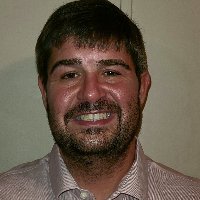
Marcus Clark is a licensed clinical social worker (LCSW) based in Georgia with seven years of experience. He focuses on helping people manage stress, anxiety, anger, addictions, and mood concerns using practical, hands-on methods. Marcus uses clear, direct language and aims to make sessions feel approachable for someone under pressure.
He draws on several evidence-informed approaches, including cognitive behavioral therapy, dialectical behavior therapy, and motivational interviewing. Sessions typically involve setting clear goals, learning skills to manage intense feelings, and practicing new ways of responding to triggers.
Background and approach
Marcus pays attention to both symptoms and everyday life demands so work in therapy fits real routines. His background includes work in outpatient mental health, addiction programs, community mental health centers, community and home-based services, and correctional settings. That variety shaped his focus on mood disorders, trauma, and substance use concerns.
He also understands issues related to sexuality, grief, sleep difficulties, and career stress. Marcus favors a strengths-based, holistic approach that looks for what is already working. He and the client plan steps that feel achievable and measurable.
Over time the aim is to build coping skills, reduce intense reactions, and improve daily functioning. Sessions are offered in English and delivered through video calls, phone sessions, live chat, or text-based messaging. Price varies by location and subscription details can be canceled at any time.
What Marcus works with
Everything Marcus lists, in the therapist's own terms. Anger is the reason this directory exists; the rest tells you what usually sits alongside it in Marcus's practice.
- Stress, Anxiety
- Addictions
- LGBT
- Relationship issues
- Depression
- Family conflicts
- Trauma and abuse
- Grief
- Sleeping disorders
- Anger management
- Self esteem
- Career difficulties
- Bipolar disorder
- Coping with life changes
- ADHD
- Communication problems
- Drug and alcohol addiction
- Isolation / loneliness
- Men's issues
- Mood disorders
- Post-traumatic stress
- Sexuality
- Social anxiety and phobia
Approaches Marcus lists
- Cognitive Behavioral Therapy (CBT)
- Dialectical Behavior Therapy (DBT)
- Mindfulness Therapy
- Motivational Interviewing
- Solution-Focused Therapy
Listing an approach is not evidence of training in it. This directory copies what each therapist names and does not check training records.
Approaches that translate well to online therapy
CBT, or cognitive behavioral therapy, breaks down problems into thoughts, feelings, and behaviors. Sessions often include clear worksheets, practice tasks, and skill rehearsal to reduce anxiety, anger, or low mood. DBT, dialectical behavior therapy, teaches emotion regulation, distress tolerance, and interpersonal skills that help with intense reactions and relationship strain. These skills can be taught and coached during live sessions and between-session practice.Finding the right approach is collaborative. The therapist will review the client’s goals, symptoms, and past responses to treatment to choose or blend methods. Changes to the plan are expected as progress is tracked, and the client’s preferences guide how techniques are used in sessions.
Online formats include video calls, phone sessions, live chat, and text-based messaging. Video calls allow face-to-face interaction and screen sharing for worksheets. Phone sessions can be easier when bandwidth is limited or when hands-free conversation fits a schedule. Live chat and text-based messaging support brief check-ins, skills coaching, and on-the-go reinforcement between scheduled sessions. These options make it easier to fit therapy into work, family, or other commitments while maintaining a consistent course of care.
Questions people ask about Marcus
What concerns does Marcus commonly address?
He works with issues such as stress, anxiety, depression, anger, addictions, trauma, grief, sleeping problems, self-esteem, bipolar mood patterns, ADHD, and relationship concerns.
What is his general therapy style?
Marcus uses a practical, skills-focused approach. Sessions aim to set goals, teach coping techniques, and practice changes that fit daily life.
What experience does he bring to sessions?
He has seven years of clinical experience across outpatient mental health, addiction programs, community settings, and correctional centers.
What credentials does he hold and where is he based?
He is a Licensed Clinical Social Worker and holds CSW credentials, practicing in the state of Georgia.
Which languages are available for sessions?
Sessions are offered in English.
Are international clients supported?
International clients are not currently accepted.
How are sessions delivered and in what formats?
Therapy is offered via video calls, phone sessions, live chat, and text-based messaging to provide flexible access.
How does cost and scheduling work?
Cost varies with location and therapist availability and sessions use a subscription that can be canceled at any time.