Works with
How Marsha works
- Not listed
Practical facts
- Credentials
- LMHC
- Licensed in
- Massachusetts
- Years in practice
- 15
- Languages
- English
- Session format
- Online, through our partner platform
About Marsha
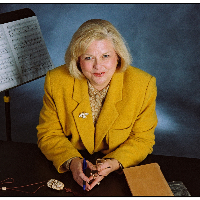
Marsha Johnson is a Licensed Mental Health Counselor (LMHC) who uses practical, evidence-based techniques to help people manage strong emotions and life challenges. She draws on 15 years of counseling experience to help clients find clearer ways to cope with stress, anger, grief, anxiety, and changes in life. Her work emphasizes what the person brings to the room.
Sessions focus on simple, usable tools such as changing unhelpful thoughts, building motivation, and trying new behaviors.
Background and approach
Marsha also incorporates expressive methods that let people use music and creativity to name and move through feelings. She has a background in hospital and hospice settings and has supported people in senior centers and day programs. That range of experience shapes a practical approach to issues like caregiving stress, aging concerns, chronic illness, and end-of-life matters.
Marsha helps clients look at relationships, intimacy, parenting strain, and work or money worries with calm, steady guidance. She also addresses mood difficulties including depression, bipolar concerns, and compassion fatigue from caregiving roles. In sessions she works with each person to build a plan that fits their life and schedule.
The focus stays on strengths, small steps, and tools that can be used between appointments to handle anger, sleep or eating problems, and everyday pressures.
What Marsha works with
Everything Marsha lists, in the therapist's own terms. Anger is the reason this directory exists; the rest tells you what usually sits alongside it in Marsha's practice.
- Stress, Anxiety
- Grief
- Depression
- Coping with life changes
- ADHD
- Relationship issues
- Family conflicts
- Intimacy-related issues
- Eating disorders
- Sleeping disorders
- Parenting issues
- Anger management
- Self esteem
- Career difficulties
- Bipolar disorder
- Compassion fatigue
- Aging and geriatric issues
- Cancer
- Caregiver issues and stress
- Chronic pain, illness, and disability
- Codependency
- Coping with natural or human-caused disaster
- Domestic violence
- Family of origin issues
- Hospice and end-of-life counseling
- Intellectual disability
- Isolation / loneliness
- Life purpose
- Money and financial issues
- Mood disorders
- Multicultural concerns
- Panic disorder and panic attacks
- Seasonal Affective Disorder (SAD)
- Self-harm
- Self-love
- Smoking / vaping cessation
- Social anxiety and phobia
- Traumatic brain injury
- Visually impaired
- Women's issues
How therapeutic approaches translate to online care
Marsha uses cognitive-behavioral methods to help people spot and change unhelpful thinking patterns and try new behaviors; this approach can reduce anger flares, anxiety, and low mood by teaching practical skills for daily life.She also applies humanistic listening and motivational enhancement to build motivation and clarify goals; these styles focus on the person's strengths and values and help with life transitions, caregiver stress, and relationship concerns.
Expressive methods, including musical or creative exercises, are used when helpful to name feelings and practice new responses; these techniques can be adapted for use during video or phone sessions and through written or audio prompts during messaging sessions.
Finding the right mix of approaches is a collaborative process. The therapist will work together with the person to choose techniques that fit their goals, comfort level, and day-to-day needs, checking in and adjusting plans as progress is made.
Online therapy formats include video calls for a face-to-face feel, phone sessions when bandwidth or camera time is limited, live chat for a shorter focused check-in, and text-based messaging for ongoing brief support. These options make it easier to schedule sessions around work, caregiving, or medical appointments while keeping therapy consistent and accessible.
Questions people ask about Marsha
What concerns does Marsha address?
She helps with stress, anxiety, grief, depression, anger, self-esteem, ADHD, relationship and intimacy issues, parenting strain, sleep and eating difficulties, and career or financial worries.
What is her general approach to therapy?
Her style blends cognitive-behavioral techniques, humanistic listening, motivational enhancement, and expressive methods so people can build practical coping skills and express difficult feelings.
How much experience does she have?
She has 15 years of experience working in counseling settings, plus earlier work in hospitals, nursing homes, schools, and hospice programs.
What are her credentials and where is she based?
She holds a Master of Arts and is a Licensed Mental Health Counselor (LMHC) practicing in Massachusetts.
Which languages are supported?
Sessions are offered in English.
What session formats are available?
She offers video calls, phone sessions, live chat, and text-based messaging for flexible options that fit different schedules and needs.
How are costs and billing handled?
Cost varies by location and therapist availability; sessions use a subscription model that can be canceled at any time.
How do I begin working with her?
Click the Start Therapy button, complete a short matching questionnaire, and then schedule sessions according to the therapist's availability.