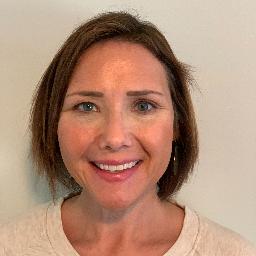
Martha Gillen, LCMHC
Practical, goal-focused counseling for lasting change
Explore online therapy optionsWorks with
- Anger
- Addictions
- Anger management
- Coping with life changes
How Martha works
Practical facts
- Credentials
- LCMHC
- Licensed in
- North Carolina
- Years in practice
- 17
- Languages
- English
- Session format
- Online, through our partner platform
About Martha
Martha Gillen is a Licensed Clinical Mental Health Counselor (LCMHC) practicing in North Carolina with 17 years of experience. She has provided counseling and supervision for people facing depression, anxiety, career challenges, and substance use concerns. Her work centers on clear goals and practical steps rather than vague promises.
Martha keeps sessions straightforward and focused. She draws on Cognitive Behavioral Therapy and Motivational Interviewing to help people notice unhelpful thoughts, try new behaviors, and stay motivated to change.
Background and approach
She also uses Solution-Focused Therapy to build on strengths and find concrete next steps. In sessions she listens closely and partners with each person to set realistic targets. That might mean breaking a big problem into small habits, testing new coping skills, or planning how to reduce alcohol or drug use.
Progress is measured in simple, visible ways so people can see what’s working. Martha often helps with anger and stress by teaching coping strategies and clearer ways to respond when emotions run high. She also supports people managing life transitions, career stress, relationship strain, and compassion fatigue.
Her style is practical and collaborative. She encourages people to try small changes between sessions and reviews what helped. If someone wants direct feedback, skills practice, or short-term problem solving, she adapts to fit those goals.
What Martha works with
Everything Martha lists, in the therapist's own terms. Anger is the reason this directory exists; the rest tells you what usually sits alongside it in Martha's practice.
- Addictions
- Anger management
- Coping with life changes
- Stress, Anxiety
- Relationship issues
- Family conflicts
- Self esteem
- Career difficulties
- Depression
- Compassion fatigue
- Drug and alcohol addiction
Approaches Martha lists
Listing an approach is not evidence of training in it. This directory copies what each therapist names and does not check training records.
How practical approaches work online
CBT, Motivational Interviewing, and Solution-Focused Therapy each offer concrete ways to make change. Cognitive Behavioral Therapy helps people notice thought patterns that lead to unhelpful behaviors and then practice new responses; it is useful for anxiety, depression, and anger. Motivational Interviewing is a conversational approach that helps people find reasons to change and build their own motivation, often used for drug and alcohol concerns. Solution-Focused Therapy emphasizes small, doable steps and what is already working, which can speed up progress on specific problems.Finding the right approach is part of the work. The therapist will collaborate with each person to choose or combine methods that fit their goals and preferences. Decisions are based on what the person wants to achieve, how they like to work, and what has helped before.
Online sessions make it easier to fit counseling into a busy life. Video calls let people practice skills face to face and notice reactions. Phone sessions reduce bandwidth needs and can be a good option for shorter check-ins. Live chat and text-based messaging allow quick reflections, ongoing support between visits, and a way to work when writing feels easier than talking. Together these formats offer flexibility so people can try approaches in ways that suit their schedule and comfort.
Questions people ask about Martha
What concerns does Martha commonly address?
She works with people around addictions, anger, stress, anxiety, depression, relationship strain, self-esteem, career challenges, compassion fatigue, and coping with life changes.
What is her therapeutic style like?
Her style is practical and collaborative, focusing on clear goals, skill practice, and steps people can try between sessions.
How much clinical experience does she have?
She has 17 years of experience providing counseling and supervision in clinical settings.
What are her credentials and where is she located?
She is an LCMHC, which stands for Licensed Clinical Mental Health Counselor, and she practices in North Carolina.
Which languages are used in sessions?
Sessions are offered in English.
Can international clients work with her?
International clients are not currently accepted; she works with people within her licensed jurisdiction.
What session formats are available?
She offers video calls, phone sessions, live chat, and text-based messaging to fit different preferences and schedules.
How are costs handled and how do I begin?
Cost varies with location and therapist availability and uses a subscription that can be canceled at any time; start by selecting the Start Therapy button, completing the short matching questionnaire, and scheduling according to availability.