Works with
How Mary works
Practical facts
- Credentials
- LPC
- Licensed in
- Colorado
- Years in practice
- 45
- Languages
- English
- Session format
- Online, through our partner platform
About Mary
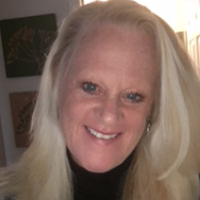
Mary Sullivan is a Licensed Professional Counselor (LPC) based in Colorado who helps people manage strong emotions and life stress. She welcomes adults dealing with anger, anxiety, addiction, grief, trauma, or major life changes. Mary uses a calm, practical style so people can start making small, clear changes right away.
Mary brings 45 years of experience in clinical settings to her work. She combines straightforward conversation with skills training so clients can handle upsetting moments and manage reactions when they happen.
Background and approach
She also focuses on issues like relationship strain, self-esteem, career transitions, bipolar mood challenges, and compassion fatigue. Her approach blends client-centered methods with cognitive behavioral techniques and mindfulness practices. That means sessions often include exploring what matters to the person, spotting patterns of thought or behavior that cause trouble, and practicing new coping skills between sessions.
Mary has a long history of working with people affected by trauma, addiction, and complex life stressors. She pays special attention to first responder and veteran concerns and can talk about trauma-related responses in plain language. She also addresses additional topics such as family of origin issues, codependency, and navigating alternative sexual cultures.
Sessions are offered in English and are available via video, phone, live chat, or text-based messaging. To begin, a person completes a short matching questionnaire and schedules sessions at times that work for them. Mary aims to help clients feel steadier and better able to solve problems as they come up.
What Mary works with
Everything Mary lists, in the therapist's own terms. Anger is the reason this directory exists; the rest tells you what usually sits alongside it in Mary's practice.
- Stress, Anxiety
- Addictions
- Trauma and abuse
- Depression
- ADHD
- Relationship issues
- Family conflicts
- Grief
- Intimacy-related issues
- Anger management
- Self esteem
- Career difficulties
- Bipolar disorder
- Coping with life changes
- Compassion fatigue
- Abandonment
- Aging and geriatric issues
- BDSM, kink, and alternative sex culture
- Cancer
- Co-morbidity
- Codependency
- Commitment issues
- Coping with natural or human-caused disaster
- Disruptive Mood Dysregulation Disorder (DMDD)
- Dissociation
- Domestic violence
- Drug and alcohol addiction
- Family of origin issues
- First responder issues
- Veteran and Armed Forces Issues
- Narcissism
- Obsessions, compulsions, and OCD
- Post-traumatic stress
- Process addiction (porn, exercise, gambling)
- Seasonal Affective Disorder (SAD)
- Self-harm
- Sexual assault and abuse
- Traumatic brain injury
- Women's issues
Approaches Mary lists
- Client-Centered Therapy
- Cognitive Behavioral Therapy (CBT)
- Dialectical Behavior Therapy (DBT)
- Jungian Therapy
- Mindfulness Therapy
- Motivational Interviewing
- Somatic Therapy
- Trauma-Focused Therapy
- Internal Family Systems
Listing an approach is not evidence of training in it. This directory copies what each therapist names and does not check training records.
Approaches that translate well to online care
Client-centered therapy focuses on listening and supporting what matters most to the person. The therapist follows the client's lead, reflects concerns back simply, and helps people clarify goals and values. Cognitive Behavioral Therapy, or CBT, looks at patterns of thought and behavior that keep problems going and teaches practical strategies to change them. CBT can help with anger, anxiety, depression, and addictive behaviors. Mindfulness therapy teaches skills to notice thoughts and feelings without getting swept away. Those practices can reduce reactivity and help people respond more calmly during stressful moments.Choosing the right approach is part of the work. Mary will talk with each person about their needs, goals, and preferences and will recommend methods that fit. That choice happens together and can be adjusted as progress is made.
Online formats include video calls, phone sessions, live chat, and text-based messaging. Video is useful when face-to-face conversation and nonverbal cues matter. Phone sessions can be a good option when bandwidth is limited or when a shorter check-in is needed. Live chat and text-based messaging make it easier to fit support into a busy day or to keep a running dialogue between scheduled sessions. These options make therapy more flexible and easier to use alongside work, caregiving, or other responsibilities.
Questions people ask about Mary
What concerns does Mary commonly help with?
She works with adults facing stress, anxiety, depression, addiction, trauma, grief, anger, self-esteem, relationship and family issues, and other life changes.
What is her therapeutic style like?
Her sessions mix client-centered conversation with cognitive behavioral and mindfulness techniques, focusing on practical skills and clear steps people can use between meetings.
How much clinical experience does she have?
Mary has 45 years of experience working in a variety of clinical settings and with diverse concerns.
What credentials and location are listed for this therapist?
She is a Licensed Professional Counselor (LPC) practicing in Colorado.
Which languages and international options are available?
Sessions are offered in English and she is not accepting international clients at this time.
What session formats does she offer?
Therapy is available by video calls, phone sessions, live chat, or text-based messaging to fit different needs and schedules.
How is cost handled for sessions?
Costs vary with location and therapist availability; sessions use a subscription model that can be canceled at any time.
How do I begin working with her?
Click the Start Therapy button, complete a short matching questionnaire, and then schedule sessions based on the therapist's availability.