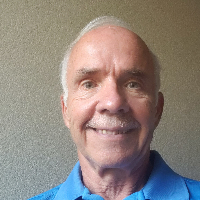
Michael McWhirter, LMSW
Compassionate, experience-driven support for life challenges
Book with MichaelWorks with
- Anger
- Stress, Anxiety
- Addictions
- Family conflicts
- Trauma and abuse
- Depression
How Michael works
Practical facts
- Credentials
- LMSW
- Licensed in
- Michigan
- Years in practice
- 38
- Languages
- English
- Session format
- Online, through our partner platform
About Michael
Michael McWhirter is a Licensed Master Social Worker (LMSW) based in Michigan with 38 years of clinical experience. He offers a steady, straightforward presence for people dealing with stress, anxiety, addiction, grief, anger, and other life challenges. Michael aims to make beginning therapy simple to understand and less intimidating for someone reaching out for help.
He draws on client-centered work to build trust and prioritize each person’s goals. Cognitive Behavioral Therapy ideas are used to spot unhelpful thoughts and try new behaviors in day-to-day life.
Background and approach
Emotionally-Focused Therapy skills help people name feelings and improve how they relate to others. Mindfulness techniques are offered to reduce rumination and increase focus in moments of strong emotion. Michael has spent decades helping people with a wide range of concerns including trauma and abuse, relationship and intimacy issues, eating and sleeping problems, bipolar disorder, ADHD, and first responder or veteran-related stresses.
He also supports people facing career transitions, compassion fatigue, parenting pressures, and the fallout from infidelity. Sessions can include practical skill building, talking through difficult memories, and coaching on coping strategies. Michael adapts his approach to what each person needs and moves at a pace that feels manageable.
He works with adults and brings long experience to interactions that are direct, respectful, and goal-focused. People who reach out are guided through a simple intake and scheduling process so therapy can begin without extra complications. Michael communicates clearly about next steps and works with each person to set realistic short-term goals.
What Michael works with
Everything Michael lists, in the therapist's own terms. Anger is the reason this directory exists; the rest tells you what usually sits alongside it in Michael's practice.
- Stress, Anxiety
- Addictions
- Family conflicts
- Trauma and abuse
- Depression
- LGBT
- Relationship issues
- Grief
- Intimacy-related issues
- Eating disorders
- Sleeping disorders
- Parenting issues
- Anger management
- Self esteem
- Career difficulties
- Bipolar disorder
- Coping with life changes
- Coaching
- Compassion fatigue
- ADHD
- First responder issues
- Infidelity
- Veteran and Armed Forces Issues
- Personality disorders
Approaches Michael lists
- Client-Centered Therapy
- Cognitive Behavioral Therapy (CBT)
- Emotionally-Focused Therapy (EFT)
- Mindfulness Therapy
Listing an approach is not evidence of training in it. This directory copies what each therapist names and does not check training records.
How therapy approaches translate to online care
Client-Centered Therapy focuses on listening and following the person’s lead, helping them set goals and feel heard. Online sessions using this approach tend to center on building rapport, clarifying priorities, and working through immediate concerns in a paced way.Cognitive Behavioral Therapy (CBT) emphasizes identifying unhelpful thoughts and trying concrete behavior changes. In remote sessions CBT can include short homework tasks, real-time practice during video or text check-ins, and tracking progress between meetings.
Finding the right approach is part of the process. The therapist works collaboratively to decide which methods fit a person’s needs, goals, and preferences. If one technique isn’t helping, adjustments are made together to try a different way of working.
Online formats offer practical benefits. Video calls allow face-to-face conversation and visual cues. Phone sessions can be easier when bandwidth is limited or a shorter check-in is preferred. Live chat and text messaging suit brief updates, quick coping reminders, or ongoing coaching between longer sessions. Together these options make it easier to fit therapy into a busy life and to continue momentum when scheduling is tight.
Questions people ask about Michael
What kinds of problems does this therapist help with?
He helps people facing stress, anxiety, addictions, depression, trauma and abuse, anger, grief, relationship and intimacy issues, eating and sleeping concerns, parenting strain, ADHD, bipolar disorder, and related life changes.
How would you describe his therapeutic style?
He uses a mix of client-centered conversation, cognitive behavioral ideas, emotionally-focused work, and mindfulness practices to match the needs and pace of each person.
What is his professional background?
He has 38 years of experience in clinical settings, including work with substance use treatment, group therapy, and individuals with serious mental health concerns.
Where is he based and what are his credentials?
He practices in Michigan and holds a Licensed Master Social Worker credential, noted as MI LMSW.
Which languages are supported for sessions?
Sessions are offered in English.
Can people from other countries work with him?
International clients are not currently accepted.
What session formats does he offer?
Sessions can be scheduled as video calls, phone sessions, live chat, or text-based messaging to fit different needs and routines.
How much do sessions cost and how do subscriptions work?
Cost varies with location and therapist availability; sessions use a subscription model that can be canceled at any time.