Works with
- Anger
- Stress, Anxiety
- Addictions
- Relationship issues
- Family conflicts
- Depression
How Sandra works
Practical facts
- Credentials
- LPC
- Licensed in
- Mississippi, Oregon, New Jersey, Arizona, Alabama, Virginia
- Years in practice
- 29
- Languages
- English
- Session format
- Online, through our partner platform
About Sandra
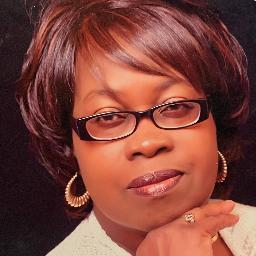
Dr. Sandra Clark is an LPC with 29 years of clinical experience. She helps people facing stress, anxiety, depression, anger, addictions, relationship and intimacy concerns, parenting strain, ADHD, and major life transitions.
Her background includes work with mood disorders and substance use issues. She offers straightforward care and practical strategies for everyday life. Her training includes a Master of Science in Counseling and an Educational Specialist degree, and she completed a Doctorate in Healthcare Administration.
Background and approach
Over nearly three decades she has worked in schools, social service agencies, inpatient settings, and outpatient programs. Those roles included supporting people with severe mood symptoms and helping people manage alcohol and drug problems. In sessions she focuses on clear, doable steps that fit a client’s life.
She draws on approaches such as Acceptance and Commitment Therapy, Cognitive Behavioral Therapy, and Client-Centered Therapy to build skills for coping and change. She often blends methods to match what the person needs in the moment. People meet her for help with anger, impulsivity, communication problems, parenting stress, abandonment issues, and relationship challenges like infidelity and commitment worries.
She also supports work on self-esteem, emptiness, and coping with grief or separation. Her style is calm and practical. She listens, helps set small goals, and practices skills together in-session.
Dr. Clark works with adults and adolescents and accepts international clients for online care.
What Sandra works with
Everything Sandra lists, in the therapist's own terms. Anger is the reason this directory exists; the rest tells you what usually sits alongside it in Sandra's practice.
- Stress, Anxiety
- Addictions
- Relationship issues
- Family conflicts
- Depression
- Intimacy-related issues
- Parenting issues
- Anger management
- Self esteem
- Bipolar disorder
- Coping with life changes
- ADHD
- Abandonment
- Adoption and foster care
- Aging and geriatric issues
- Blended family issues
- Caregiver issues and stress
- Commitment issues
- Communication problems
- Disruptive Mood Dysregulation Disorder (DMDD)
- Divorce and separation
- Domestic violence
- Drug and alcohol addiction
- Emptiness
- Family problems
- Impulsivity
- Infidelity
- Life purpose
- Midlife crisis
- Mood disorders
- Multicultural concerns
- Obsessions, compulsions, and OCD
- Paranoia
- Postpartum depression
- Post-traumatic stress
- Process addiction (porn, exercise, gambling)
- Self-harm
- Self-love
- Women's issues
- Workplace issues
- Young adult issues
Approaches Sandra lists
- Acceptance and Commitment Therapy (ACT)
- Client-Centered Therapy
- Cognitive Behavioral Therapy (CBT)
- Narrative Therapy
- Solution-Focused Therapy
Listing an approach is not evidence of training in it. This directory copies what each therapist names and does not check training records.
Approaches that translate well to online work
Acceptance and Commitment Therapy (ACT) helps people notice difficult thoughts and feelings without getting stuck in them, and then choose actions that match their values; it can be useful for anxiety, anger, and life changes. Cognitive Behavioral Therapy (CBT) focuses on identifying unhelpful thought patterns and testing them with practical behavioral experiments to reduce symptoms like depression and anxiety. Client-Centered Therapy centers on empathetic listening and building a strong working relationship so clients feel heard and can explore concerns such as self-esteem, intimacy, and family stress.Finding the right approach is collaborative. The therapist will talk with the person about goals, try interventions, and adjust methods based on what helps. That means techniques can be mixed and tailored as needs change over time.
Online sessions offer flexibility and easier scheduling. Video calls allow face-to-face work for skill practice and role-play. Phone sessions can be an option when bandwidth is low or when someone wants to avoid being on camera. Live chat and text-based messaging are useful for brief check-ins, tracking progress, and getting short-term coaching between longer sessions. These formats make it easier to fit therapy into a busy life and to continue work across distances with licensed professionals.
Questions people ask about Sandra
What kinds of problems does she address?
She helps people with stress, anxiety, depression, anger, addictions, parenting strain, ADHD, and relationship or intimacy concerns.
What is her therapeutic style?
Sessions are practical and goal-focused with an emphasis on skill practice and real-life strategies. The tone is calm and collaborative.
How much experience does she have?
She has 29 years of experience working in schools, social service agencies, inpatient settings, and outpatient programs.
What credentials and location are listed?
She holds a Doctorate in Healthcare Administration, an Educational Specialist degree, a Master of Science in Counseling, and is an LPC based in Alabama.
Which languages are supported and can she work internationally?
Sessions are offered in English and she accepts international clients.
What session formats are available?
She provides video calls, phone sessions, live chat, and text-based messaging to fit different needs.
How are sessions priced?
Cost varies by location and therapist availability; sessions use a subscription model that can be canceled at any time.
How do I begin working with her?
Start by selecting the Start Therapy button, complete a short matching questionnaire, and then schedule sessions according to therapist availability.