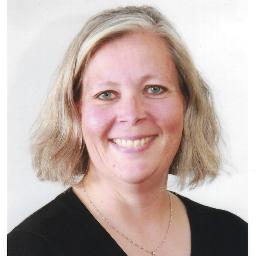
Works with
How Sarah works
Practical facts
- Credentials
- LCSW
- Licensed in
- Oregon
- Years in practice
- 13
- Languages
- English
- Session format
- Online, through our partner platform
About Sarah
Sarah Dubisar is a Licensed Clinical Social Worker with 13 years of experience helping people manage stress, anger, anxiety, and grief. She works with adults facing depression, relationship strain, trauma, sleep problems, and career or life transitions. Sarah listens carefully and focuses on practical steps people can try between sessions.
Her approach emphasizes clear skills and steady support. She uses cognitive behavioral strategies to spot unhelpful thinking and change behaviors.
Background and approach
Mindfulness practices help people notice strong feelings without acting on them. Acceptance and Commitment Therapy helps clients clarify values and take small steps toward a life they want. Sarah's background includes medical social work, crisis assessment, hospice and end-of-life counseling, and grief support.
She has worked in emergency departments and with people living with chronic pain and severe mental illness. That range helps her tailor sessions to real-life demands and medical or caregiving contexts. Sessions are conversational and goal-focused.
She blends skill building with a calm, client-centered stance so people feel heard and guided. Her practice also includes support around caregiver stress, veteran and first responder issues, and multicultural concerns. Sarah brings practical experience from independent practice and consulting into online sessions.
She emphasizes tools that can be used day to day, whether the need is coping with panic attacks, navigating polyamory or non-monogamous relationships, or working through bereavement.
What Sarah works with
Everything Sarah lists, in the therapist's own terms. Anger is the reason this directory exists; the rest tells you what usually sits alongside it in Sarah's practice.
- Stress, Anxiety
- Trauma and abuse
- Grief
- Self esteem
- Depression
- LGBT
- Relationship issues
- Family conflicts
- Sleeping disorders
- Anger management
- Career difficulties
- Bipolar disorder
- Coping with life changes
- ADHD
- Aging and geriatric issues
- Caregiver issues and stress
- Chronic pain, illness, and disability
- Divorce and separation
- First responder issues
- Forgiveness
- Hospice and end-of-life counseling
- Isolation / loneliness
- Life purpose
- Veteran and Armed Forces Issues
- Mood disorders
- Multicultural concerns
- Panic disorder and panic attacks
- Polyamory / non-monogamous relationships
- Post-traumatic stress
- Seasonal Affective Disorder (SAD)
- Sexual assault and abuse
- Smoking / vaping cessation
- Social anxiety and phobia
Approaches Sarah lists
- Acceptance and Commitment Therapy (ACT)
- Client-Centered Therapy
- Cognitive Behavioral Therapy (CBT)
- Dialectical Behavior Therapy (DBT)
- Mindfulness Therapy
- Motivational Interviewing
- Solution-Focused Therapy
- Trauma-Focused Therapy
Listing an approach is not evidence of training in it. This directory copies what each therapist names and does not check training records.
Approaches that translate well to online care
Acceptance and Commitment Therapy helps people notice what matters to them and take small, value-driven actions. It can be useful when someone feels stuck by anger, depression, or life changes. Cognitive Behavioral Therapy focuses on identifying unhelpful thoughts and testing new behaviors to reduce anxiety, panic, and mood symptoms. It works well for problem-solving and managing reactions in daily life. Mindfulness Therapy teaches simple attention and breathing practices to reduce reactivity and improve sleep and emotion regulation.Finding the right approach is part of the work together. The therapist will talk with the client about goals and preferences, then try strategies that match those needs. Sessions blend skill teaching, in-session practice, and planning for real-world use so clients can see which methods fit them best.
Online sessions are offered as video calls, phone sessions, live chat, or text-based messaging to make therapy flexible. Video lets people work face to face from anywhere with internet. Phone sessions are useful when bandwidth is limited or a quieter check-in is needed. Live chat and text-based messaging support quick check-ins, brief coaching, or ongoing reinforcement between sessions.
Questions people ask about Sarah
What concerns does she help with?
She supports people dealing with stress, anger, anxiety, depression, trauma and abuse, grief, relationship and family challenges, sleep difficulties, career changes, ADHD, and mood disorders.
What is her therapeutic style?
Her style is conversational and client-centered, with a focus on practical skills like behavior change, mindfulness exercises, and values-based action.
What kind of experience does she bring?
She has 13 years of experience including medical social work, crisis assessment, hospice and grief counseling, emergency department work, and independent practice.
What are her credentials and where is she located?
She is a Licensed Clinical Social Worker, OR LCSW, and practices out of Oregon.
Which languages and international clients are supported?
Sessions are offered in English and she is not currently accepting international clients.
What session formats are available?
She offers video calls, phone sessions, live chat, and text-based messaging to fit different schedules and preferences.
How does cost work for sessions?
Cost varies with location and therapist availability; sessions use a subscription model that can be canceled at any time.
How do I begin working with her?
Start by selecting the Start Therapy button, complete a short matching questionnaire, and schedule a session according to therapist availability.