Works with
- Anger
- Stress, Anxiety
- Trauma and abuse
- Anger management
- Self esteem
- Depression
How Sharon works
Practical facts
- Credentials
- LCSW
- Licensed in
- North Carolina
- Years in practice
- 40
- Languages
- English
- Session format
- Online, through our partner platform
About Sharon
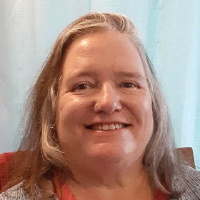
Sharon Hollandsworth is a Licensed Clinical Social Worker with 40 years of experience in community mental health settings in North Carolina. She offers individual therapy that centers on practical problem solving and skills training. Sharon creates a supportive, validating space where people can talk through what feels difficult and decide what they want from counseling.
She begins by assessing current struggles and stays flexible as goals shift over time. Her approach emphasizes learning concrete coping skills.
Background and approach
Sharon teaches strategies for focus, relaxation, and managing strong emotions. Those skills aim to reduce anxiety, ease emotional upheaval, and build better ways to respond to stress and anger. Sharon combines client-centered listening with methods drawn from Cognitive Behavioral Therapy and Dialectical Behavior Therapy.
She helps clients notice unhelpful thinking, test new behaviors, and practice emotional regulation in everyday life. Sessions also include problem-solving work to make decisions and set practical plans. She has long experience running both individual and group work in community clinics around Raleigh and Durham.
Her background includes a Master of Social Work treatment degree from the University of Tennessee and an earlier degree in music. That mix gives her a grounded, real-world view of coping and recovery. People come to Sharon for help with stress, anxiety, trauma, anger, relationship issues, grief, addiction, sleep or eating concerns, parenting strain, career changes, bipolar disorder, and self-esteem.
She works in English and offers several online session formats to fit different needs.
What Sharon works with
Everything Sharon lists, in the therapist's own terms. Anger is the reason this directory exists; the rest tells you what usually sits alongside it in Sharon's practice.
- Stress, Anxiety
- Trauma and abuse
- Anger management
- Self esteem
- Depression
- Addictions
- LGBT
- Relationship issues
- Family conflicts
- Grief
- Intimacy-related issues
- Eating disorders
- Sleeping disorders
- Parenting issues
- Career difficulties
- Bipolar disorder
- Coping with life changes
Approaches Sharon lists
- Client-Centered Therapy
- Cognitive Behavioral Therapy (CBT)
- Dialectical Behavior Therapy (DBT)
- Emotionally-Focused Therapy (EFT)
- Existential Therapy
- Mindfulness Therapy
- Motivational Interviewing
- Psychodynamic Therapy
- Solution-Focused Therapy
- Trauma-Focused Therapy
Listing an approach is not evidence of training in it. This directory copies what each therapist names and does not check training records.
Approaches that guide online sessions
Client-Centered Therapy focuses on listening and understanding each person's experience. The therapist provides a nonjudgmental space and follows the client's lead while helping them identify goals and small steps forward.Cognitive Behavioral Therapy, or CBT, looks at how thoughts affect feelings and actions. Online CBT sessions often include clear exercises and practical homework to change thinking patterns that fuel anxiety, anger, or low mood.
Dialectical Behavior Therapy, DBT, teaches emotion regulation, distress tolerance, and interpersonal effectiveness. Those skills can help when emotions become overwhelming and when people want steadier reactions in relationships and daily life.
Finding the right approach is part of the process. The therapist will work together with the client to pick methods that match their needs, goals, and preferences, and will adapt techniques as progress is made.
Online sessions use video calls, phone sessions, live chat, or text-based messaging to fit different schedules. Video is useful for longer work that benefits from face-to-face interaction. Phone sessions can be easier when bandwidth is limited. Live chat or text messaging can support shorter check-ins, skill reminders, and flexible follow-up between longer sessions.
Questions people ask about Sharon
What kinds of problems can Sharon help with?
She helps people with stress, anxiety, trauma and abuse, anger, self-esteem, depression, addictions, relationship and family concerns, grief, intimacy issues, eating and sleeping problems, parenting and career challenges, bipolar disorder, and coping with life changes.
How would you describe Sharon's therapy style?
Her style is client-centered and supportive with a strong focus on practical skills. Sessions combine listening with teaching coping tools and problem-solving steps.
What is her professional background?
She holds a Master of Social Work treatment degree and previously studied music and psychology. She has about 40 years of experience working in community mental health settings.
Where is Sharon licensed and located?
She is a Licensed Clinical Social Worker, NC LCSW, based in North Carolina and has worked in the Raleigh/Durham area.
Which languages are supported for sessions?
Sessions are offered in English.
Can people outside the U.S. work together with her?
International clients are not currently accepted, so sessions are provided only to those located where she is licensed.
What session formats are available online?
She offers video calls, phone sessions, live chat, and text-based messaging to suit different schedules and needs.
How are costs and getting started handled?
Costs vary with location and therapist availability and use a subscription model that can be canceled at any time. To begin, select the Start Therapy button, complete a short matching questionnaire, and schedule based on therapist availability.