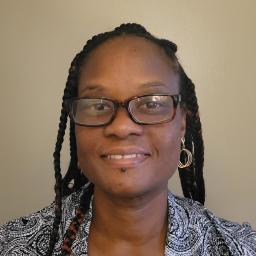
Alicia Colon
LICSW
Calm, practical guidance for intense emotions
- State
- Massachusetts
- Experience
- 26 years
- Languages
- English
- Also works with
- Relationship, Trauma and abuse, Self esteem, Depression
441 therapists holding Licensed Independent Clinical Social Worker (LICSW) list anger among the things they work with. Credentials are shown as supplied; the issuing state board is the place to verify one.
A Licensed Independent Clinical Social Worker (LICSW) is a clinical social work license that indicates advanced education and post-degree clinical experience in mental health. Below you can browse verified LICSW therapists to review their credentials, specialties, and listed approaches.
Calm, practical guidance for intense emotions
Experienced LICSW focused on practical emotion skills
Compassionate support for everyday emotional challenges
Calm, experienced guidance for life changes
Calm, practical therapy for everyday struggles
Calm, experienced LICSW for adult concerns
Experienced LICSW helping manage anger and stress
Compassionate help for anger and life change
Practical support for anger and life challenges
Compassionate practical help for everyday struggles
Compassionate support for strong emotions
Compassionate LICSW for life transitions
Calm guidance for changing stressful patterns
Practical therapy for anger and life stress
Compassionate practical help for anger and loss
Experienced LICSW focused on practical change
Compassionate, experienced help for real-life struggles
Compassionate help for stress and anger
Experienced clinician helping manage strong emotions
Practical support for anger and relationship strain
Compassionate social worker helping people change behaviors
Compassionate practical help for strong emotions
Experienced LICSW focused on real-life change
Calm, practical support for strong emotions
Practical, respectful therapy for strong emotions
Practical support for managing strong emotions
Compassionate clinician guiding emotional regulation
Practical support for anger and life stressors
Straightforward, values-focused clinical social worker
Experienced social worker focused on practical change
Experienced Maryland clinician for life challenges
Compassionate, practical therapy for strong emotions
Calm guidance for intense emotions
Direct, practical support for change
Compassionate, practical support for strong emotions
Calm, practical therapy focused on strengths
Compassionate, practical therapy for strong emotions
Practical support for anger and stress
Calm, practical support for life's pressures
Practical, person-centered support for everyday challenges
Experienced LICSW focused on practical skills
Anger-focused LICSW helping people build useful skills
Calm, practical counseling for life’s pressures
Practical, compassionate therapy for life changes
Calm practical support for strong emotions
Compassionate social worker for steady change
Calm-focused, practical therapy for strong emotions
Calm, practical therapy for real-life overwhelm
Some links on this page are partner links. We will earn a commission if you sign up through one, at no cost to you. It does not change what you pay or the order of the listings.
When you see the LICSW designation after a clinician's name it signals a specific path of graduate education and supervised clinical work. Typically, a practitioner who uses LICSW has completed a master of social work degree from a program accredited in the United States and then fulfilled additional post-degree supervised hours required by the state licensing board. That mix of graduate coursework and hands-on supervision is intended to prepare clinicians for clinical assessment, psychotherapy, and case management in a variety of settings. Requirements vary by state, so LICSW in one jurisdiction may align with slightly different rules than LICSW in another. Your search for a clinician who fits your needs should take those regional differences into account, particularly if you are seeking someone whose license explicitly permits independent clinical practice in that state.
Beyond formal hours and exams, LICSW clinicians often continue their learning through workshops, conferences, or reading. Keep in mind that listing an approach on a profile does not equal formal certification; it means the therapist identifies that method as part of the ways they work. When you read a LICSW profile, expect to see education history, licensure information, and descriptions of clinical interests that will help you determine whether to learn more about a clinician.
LICSW is one of several professional licenses you may encounter in mental health care. Compared with social work licenses without the independent clinical designation, LICSW generally indicates authorization to provide clinical diagnosis and psychotherapy without ongoing supervision. Compared with other clinical licenses - such as licensed professional counselors, psychologists, or marriage and family therapists - the distinction is mostly a matter of training emphasis, scope definitions, and state-specific regulations. Social work training tends to emphasize systems thinking, community resources, and case management alongside clinical practice. That often makes LICSW therapists a good fit when you want someone who can blend talk therapy with attention to social factors, family dynamics, or coordination of other supports.
Because licensing rules and practice privileges differ across states, you should not assume that any one license automatically allows a particular service everywhere. If you care about services such as diagnostic assessment, ability to provide certain types of reports, or the option to work with other systems like schools or medical providers, look at the clinician's profile and the state board rules to understand the practical implications of their license.
LICSW clinicians work across a broad spectrum of treatment areas, and many list particular specialties on their profiles to help you find a fit. You may find LICSWs who focus on anger management, trauma-related concerns, relationship patterns, mood disorders, grief, substance-related challenges, parenting and family issues, workplace stress, or life transitions. Because social work training often includes attention to environmental and social determinants of health, many LICSWs describe an interest in connecting therapy with practical resources such as housing, legal support, or community programs when those needs affect mental health.
In practice you will encounter LICSW therapists who use a range of therapeutic approaches. Some clinicians describe cognitive-behavioral strategies among their approaches, others list relational or psychodynamic orientations, and some note mindfulness-influenced or experiential methods. Remember that a listed approach indicates that a clinician uses or draws from that method - it is not evidence of a particular certification. If a specific modality matters to you, look for language on the profile that explains how the clinician integrates that approach with their social work perspective.
Verifying a LICSW credential helps you confirm that a clinician holds the license they claim and that their license is in good standing. A reliable first step is to consult the state licensing board for social work in the relevant state; most boards provide searchable online registries where you can look up a license by name or license number. Those registries typically list the license type, issuance and expiration dates, and any disciplinary actions or restrictions. If a profile includes a license number, you can use it to cross-check the listing. If the board's website is unclear, you can call the board directly and ask what the license designation means in that jurisdiction and whether the clinician's status is current.
Beyond state verification, review the clinician's professional profile for details about their education and practice focus. Some clinicians will spell out graduate degrees, internship settings, or areas they work with most often. Because online profiles vary in thoroughness, you may want to prepare a few targeted questions to ask a clinician or their office contact about licensure, years of experience in particular treatment areas, languages spoken, and the formats in which they provide services, such as in-person or remote sessions.
Choosing a clinician with an LICSW can offer practical advantages if you value a clinician trained in both clinical assessment and an understanding of social systems. Many people find LICSWs helpful when they want therapy that attends to how family, work, and community factors influence emotions and behavior. Licensing standards that lead to an LICSW often emphasize supervised clinical experience, which can translate into clinicians who are practiced in conducting assessments, developing treatment plans, and coordinating care with other services when that is relevant to your situation.
When you search for the right LICSW therapist, start by clarifying what matters most to you. Consider whether you want someone who lists anger management among their areas of focus, whether a particular approach appeals to you, the importance of shared language or cultural background, and practical details such as session format. Read profiles for the ways clinicians describe their work rather than relying on a single label. If a clinician's profile notes approaches you prefer, that indicates they use those approaches; if you want more detail, prepare questions about how they typically structure sessions, what goals they emphasize, and how they measure progress in therapy.
Finally, trust your sense of fit. You may find it helpful to contact a clinician to ask a few brief questions about their approach and background before committing to a first session. Thinking ahead about logistics, session length, fees, and whether you want someone who can help connect you with community resources will make it easier to identify a clinician whose practice and perspective align with your needs. A well-matched LICSW can offer a therapeutic relationship that blends clinical skills with attention to the wider life context that influences how you experience and manage anger and related concerns.