Works with
- Anger
- Stress, Anxiety
- Addictions
- Grief
- Anger management
- Depression
How James works
Practical facts
- Credentials
- LCMHC, LMHC
- Licensed in
- Georgia, North Carolina, Florida, West Virginia
- Years in practice
- 30
- Languages
- English
- Session format
- Online, through our partner platform
About James
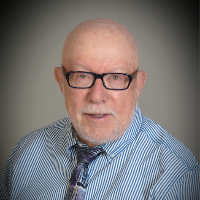
Dr. James Kowalski uses practical, evidence-informed approaches to help people manage strong emotions and life stresses. He is a Licensed Clinical Mental Health Counselor - LCMHC and a Licensed Mental Health Counselor - LMHC with three decades of experience.
He focuses on issues such as anger, addiction, anxiety, depression, grief, and relationship strain. He draws on Cognitive Behavioral Therapy and Acceptance and Commitment Therapy to help people notice unhelpful thoughts and choose actions that match their values.
Background and approach
Mindfulness techniques are woven into sessions to build calm and present-moment awareness. Motivational Interviewing is used when people want to change behaviors tied to substance use or other habits. Dr.
Kowalski aims for a warm, interactive style. Sessions are conversational and respectful, with practical strategies you can try between meetings. He tailors the plan to what each person needs, focusing on small steps and real-life tools.
He has worked extensively with people facing substance-related challenges and has long experience addressing anger and related behaviors. He also supports concerns linked to aging, caregiving, life purpose, and serious medical issues like cancer and end-of-life matters. Based in West Virginia, he brings 30 years of practice to each session.
People who seek structure, clear strategies, and steady support often find his straightforward approach useful. The work centers on skill-building, clearer communication, and reducing the intensity of difficult feelings.
What James works with
Everything James lists, in the therapist's own terms. Anger is the reason this directory exists; the rest tells you what usually sits alongside it in James's practice.
- Stress, Anxiety
- Addictions
- Grief
- Anger management
- Depression
- Relationship issues
- Trauma and abuse
- Eating disorders
- Self esteem
- Bipolar disorder
- Compassion fatigue
- Aging and geriatric issues
- Cancer
- Caregiver issues and stress
- Codependency
- Communication problems
- Control issues
- Divorce and separation
- Domestic violence
- Drug and alcohol addiction
- Eating and food-related issues
- Emptiness
- Guilt and shame
- Hospice and end-of-life counseling
- Isolation / loneliness
- Life purpose
- Men's issues
- Midlife crisis
- Money and financial issues
- Mood disorders
- Obsessions, compulsions, and OCD
- Post-traumatic stress
- Self-love
- Smoking / vaping cessation
- Workplace issues
Approaches James lists
- Acceptance and Commitment Therapy (ACT)
- Client-Centered Therapy
- Cognitive Behavioral Therapy (CBT)
- Mindfulness Therapy
- Motivational Interviewing
Listing an approach is not evidence of training in it. This directory copies what each therapist names and does not check training records.
Approach-driven care available online
Dr. Kowalski commonly uses Cognitive Behavioral Therapy to help people identify and shift patterns of thought that keep problems like anxiety, depression, and anger active. CBT focuses on concrete strategies and practice to change unhelpful thinking and behavior. Acceptance and Commitment Therapy (ACT) is another main approach; it helps people clarify personal values and build actions that matter, even when difficult feelings remain. ACT can be useful for stress, grief, and persistent emotional pain.He also integrates Mindfulness Therapy to strengthen present-moment awareness and reduce reactivity. These approaches are offered collaboratively - the therapist and client decide together which methods fit the persons goals, needs, and preferences. That means trying techniques, adjusting plans, and focusing on what actually helps in daily life.
Online sessions are offered by video call, phone, live chat, and text-based messaging to make care more flexible. Video calls allow face-to-face conversation and visual cues. Phone sessions can be easier when bandwidth is limited or when a shorter check-in is needed. Live chat and text let people keep momentum between longer sessions or check in during the week. These options help fit therapy into busy schedules and different routines while maintaining a consistent therapeutic relationship.
Questions people ask about James
What concerns does Dr. Kowalski address?
He works with stress, anxiety, addictions, grief, anger, depression, relationship problems, trauma and abuse, eating issues, self-esteem and bipolar concerns, plus related issues like caregiver stress and life purpose.
What is his therapeutic approach like?
He uses a mix of Cognitive Behavioral Therapy, Acceptance and Commitment Therapy, Mindfulness, Client-Centered methods, and Motivational Interviewing. The style is warm and interactive with practical skills to try between sessions.
How much experience does he have?
He has worked in the helping professions for 30 years, bringing long-term clinical experience to a range of behavioral and emotional concerns.
Where is he licensed and based?
He is licensed as an NC LCMHC and a FL LMHC and practices from West Virginia in his current work as described.
Which languages are supported for sessions?
Sessions are offered in English.
What formats are available for remote sessions?
He offers video calls, phone sessions, live chat, and text-based messaging as ways to connect.
How are fees and subscriptions handled?
Cost varies with location and therapist availability; sessions use a subscription model that can be canceled at any time.
How do I begin working with him?
Use the Start Therapy button, complete a short matching questionnaire, and then schedule sessions according to therapist availability.