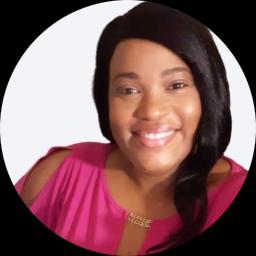
Dr. Alesha Caldwell, LCSW
Compassionate, practical therapy for real-life challenges
Book with AleshaHow Alesha works
Practical facts
- Credentials
- LCSW
- Licensed in
- Illinois, Virginia
- Years in practice
- 10
- Languages
- English
- Session format
- Online, through our partner platform
About Alesha
Dr. Alesha Caldwell is a Licensed Clinical Social Worker with ten years of professional experience. She practices in Illinois and draws on a broad background helping people who are feeling overwhelmed by stress, anxiety, grief, depression, trauma, and relationship strain.
She centers care on each person’s story and strengths. She uses clear, practical steps in sessions and helps people name what they want to change. She tells clients that taking the first step matters and that courage to begin is worth noticing.
Background and approach
In sessions she blends strategies to fit what a person needs in the moment. That can mean learning skills to manage strong feelings, trying new ways of thinking about problems, or practicing small behaviors to shift daily life. She also pays attention to how past hurts and attachment patterns affect current relationships and reactions.
Dr. Caldwell draws from therapies that teach skills, increase awareness, and set actionable goals. She works with people facing career strain, caregiver stress, chronic illness, substance issues, immigration challenges, first responder stress, and isolation among other concerns.
Anger and control issues are included among the topics she supports people with. Her approach is collaborative and down-to-earth. Sessions aim to be useful from week to week, with homework that feels doable.
She encourages clients to try techniques, notice what helps, and adjust the plan together as progress is made.
What Alesha works with
Everything Alesha lists, in the therapist's own terms. Anger is the reason this directory exists; the rest tells you what usually sits alongside it in Alesha's practice.
- Stress, Anxiety
- Trauma and abuse
- Grief
- Depression
- Coping with life changes
- LGBT
- Relationship issues
- Anger management
- Self esteem
- Career difficulties
- Bipolar disorder
- Compassion fatigue
- Abandonment
- Attachment issues
- Caregiver issues and stress
- Chronic pain, illness, and disability
- Communication problems
- Control issues
- Coping with natural or human-caused disaster
- Dissociation
- Drug and alcohol addiction
- Family problems
- First responder issues
- Forgiveness
- Guilt and shame
- Immigration issues
- Isolation / loneliness
- Life purpose
- Money and financial issues
- Panic disorder and panic attacks
- Post-traumatic stress
- Prejudice and discrimination
- Self-love
- Social anxiety and phobia
- Women's issues
- Workplace issues
- Young adult issues
Approaches Alesha lists
- Acceptance and Commitment Therapy (ACT)
- Cognitive Behavioral Therapy (CBT)
- Dialectical Behavior Therapy (DBT)
- Mindfulness Therapy
- Motivational Interviewing
- Trauma-Focused Therapy
Listing an approach is not evidence of training in it. This directory copies what each therapist names and does not check training records.
Online approaches that teach skills and choices
Dr. Caldwell commonly uses Cognitive Behavioral Therapy and Dialectical Behavior Therapy online. CBT focuses on identifying unhelpful thoughts and testing them with simple experiments and behavior changes. It helps with anxiety, depression, and patterns that keep problems going. DBT teaches emotion regulation, distress tolerance, and interpersonal skills to manage intense feelings and reduce conflict.She also uses Acceptance and Commitment Therapy in sessions. ACT helps people notice internal experiences, clarify personal values, and take committed actions that move life in meaningful directions. That approach can be helpful for stress, grief, and ongoing struggles with mood or control issues.
Finding the right approach is part of the work. The therapist will discuss goals and preferences, try techniques together, and adjust the plan based on what is helpful. Clients take an active role in choosing which tools to keep.
Online therapy offers flexibility through video calls, phone sessions, live chat, and text-based messaging. Video is useful for face-to-face conversation and skills coaching. Phone calls can fit into a busy day or require less bandwidth. Chat and messaging work well for short check-ins, homework, or when typed reflection feels easier. These options make it simpler to keep continuity of care and practice skills between sessions.
Questions people ask about Alesha
What kinds of problems does she help with?
She helps people managing stress, anxiety, grief, depression, trauma, relationship strain, anger, and related issues such as caregiver stress and chronic illness.
What is her therapeutic style like?
Her style is practical and collaborative, mixing skill teaching with talk therapy to address immediate concerns and long-standing patterns.
How long has she been practicing?
She has ten years of professional experience working in clinical settings and with individuals facing a range of life challenges.
What credentials and location apply to this therapist?
She is a Licensed Clinical Social Worker with licenses in Illinois and Virginia and is based in Illinois.
Which languages are supported for sessions?
Sessions are offered in English.
Can people outside the United States work with her?
She does not accept international clients at this time.
What formats are available for sessions?
She offers video calls, phone sessions, live chat, and text-based messaging to give people flexible ways to connect.
How do fees and scheduling work?
Cost varies with location and therapist availability and uses a subscription model that can be canceled at any time; to begin, select the Start Therapy button and complete the short matching questionnaire.