Works with
- Anger
- Stress, Anxiety
- Addictions
- Anger management
- Self esteem
- Depression
How Aparna works
Practical facts
- Credentials
- LPCC
- Licensed in
- California
- Years in practice
- 13
- Languages
- English
- Session format
- Online, through our partner platform
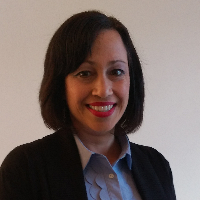
About Aparna
Aparna Bell is a Licensed Professional Clinical Counselor (LPCC) based in California who focuses on practical, person-centered therapy. She uses clear, down-to-earth talk to help people manage stress, anxiety, anger, addiction, and low self-esteem. Her style is warm and direct, and she listens for patterns that get in the way of change.
She draws on 13 years of experience in mental health and substance use work, including outpatient and residential programs.
Background and approach
Aparna blends client-centered care with cognitive behavioral tools to spot unhelpful thoughts and try new ways of behaving. She also brings psychodynamic ideas into sessions to look at deeper patterns and past influences. Aparna helps people set realistic goals and break them into small steps.
For addiction concerns she supports both harm reduction and abstinence goals, and she works through the fears and shame that often come with recovery. She also supports people with relationship strain, grief, career questions, and navigating life changes. In sessions she uses reflective listening, motivational interviewing, and solution-focused problem solving to keep the work practical.
Clients work on communication skills, healthier boundaries, and coping tools they can use day to day. Aparna emphasizes compassion and steady progress rather than quick fixes. Sessions are tailored to each person’s needs and background.
She welcomes people from diverse cultures and walks of life and aims to create an accepting space to talk through painful memories, control issues, or feelings of isolation. If someone is ready to try a different approach to old patterns, she helps them take the next step.
What Aparna works with
Everything Aparna lists, in the therapist's own terms. Anger is the reason this directory exists; the rest tells you what usually sits alongside it in Aparna's practice.
- Stress, Anxiety
- Addictions
- Anger management
- Self esteem
- Depression
- LGBT
- Relationship issues
- Family conflicts
- Trauma and abuse
- Grief
- Intimacy-related issues
- Parenting issues
- Career difficulties
- Bipolar disorder
- Coping with life changes
- Abandonment
- Antisocial personality
- Avoidant personality
- Blended family issues
- Chronic pain, illness, and disability
- Codependency
- Communication problems
- Control issues
- Drug and alcohol addiction
- Family problems
- Forgiveness
- Gender dysphoria
- Isolation / loneliness
- Life purpose
- Mood disorders
- Multicultural concerns
- Panic disorder and panic attacks
- Post-traumatic stress
- Prejudice and discrimination
- Self-love
- Sexual assault and abuse
- Social anxiety and phobia
- Women's issues
- Young adult issues
Approaches Aparna lists
- Client-Centered Therapy
- Cognitive Behavioral Therapy (CBT)
- Existential Therapy
- Motivational Interviewing
- Psychodynamic Therapy
- Solution-Focused Therapy
Listing an approach is not evidence of training in it. This directory copies what each therapist names and does not check training records.
How therapy approaches translate to online care
Client-centered therapy focuses on listening closely and following the person’s lead. The therapist offers empathy, reflects back what she hears, and helps people identify what matters most to them. This approach is useful for building trust and working through anger, low self-esteem, or difficult emotions.Cognitive Behavioral Therapy, or CBT, looks at the link between thoughts, feelings, and actions. It helps people notice unhelpful thinking patterns and try concrete behavior changes. CBT is often chosen for anxiety, depression, anger management, and coping with life changes.
The therapist treats approach selection as a joint process. She will talk with each person about goals, preferences, and what has or hasn’t worked before, then suggest techniques to try. Adjustments are made along the way so the plan fits the person’s needs.
Online formats include video calls, phone sessions, live chat, and text-based messaging. Video works well for in-depth conversations and practice exercises, while phone sessions use less bandwidth and can fit into a workday. Live chat and messaging allow for shorter check-ins and ongoing support between sessions. These options make it easier to maintain continuity of care and try different ways of working without a commute.
Questions people ask about Aparna
What issues does this therapist address?
Common concerns include stress, anxiety, anger, addiction, low self-esteem, depression, relationship and family problems, trauma and grief, and life changes.
How would you describe the therapy style?
The approach is client-centered and collaborative, using reflective listening and practical tools from cognitive behavioral therapy and motivational interviewing.
What background and experience does she have?
She has 13 years of experience in mental health and substance use settings, including outpatient and residential dual-diagnosis programs.
What are the therapist's credentials and location?
The clinician holds the LPCC credential and practices in California.
Which languages are supported and can international clients join?
Sessions are offered in English and international clients are not currently accepted.
What session formats are offered?
Therapy is available by video calls, phone sessions, live chat, or text-based messaging to suit different preferences.
How does cost and billing work?
Cost varies with location and therapist availability and sessions use a subscription that can be canceled at any time.
How do I begin working with this therapist?
Use the Start Therapy button, complete a short matching questionnaire, and schedule sessions according to therapist availability.