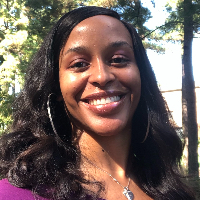
Dr. Ashley Thomas, LCMHC
Change-focused counselor who keeps goals practical
Explore online therapy optionsWorks with
- Anger
- Self esteem
How Ashley works
Practical facts
- Credentials
- LCMHC
- Licensed in
- North Carolina
- Years in practice
- 9
- Languages
- English
- Session format
- Online, through our partner platform
About Ashley
Dr. Ashley Thomas greets people who are feeling overwhelmed, stuck, or unsure where to begin. She focuses on practical steps people can use right away.
Her approach aims to help people notice patterns, build clearer goals, and find small changes that make daily life easier. Dr. Thomas is a Licensed Clinical Mental Health Counselor - LCMHC practicing in North Carolina with nine years in the mental health field.
She has experience in residential substance use and mental health care and holds graduate degrees in Clinical Mental Health Counseling and a PhD in Developmental Psychology.
Background and approach
She uses straightforward language and keeps sessions goal-focused while remaining supportive. She draws from client-centered therapy to make space for each person’s priorities. Cognitive behavioral therapy techniques are used to identify unhelpful thinking and try new behavior steps.
Dialectical behavior therapy and mindfulness practices help people manage intense emotions and respond differently in stressful moments. Common concerns she addresses include stress, anxiety, depression, anger, substance use, ADHD, relationship and communication problems, work and career stress, parenting strain, and compassion fatigue. She also works with personality-related issues and challenges that follow major life changes.
Sessions emphasize clear tools and steady progress. Dr. Thomas helps clients set realistic goals, practices new skills in-session, and checks progress over time.
She encourages self-compassion while nudging people toward meaningful change.
What Ashley works with
Everything Ashley lists, in the therapist's own terms. Anger is the reason this directory exists; the rest tells you what usually sits alongside it in Ashley's practice.
- Self esteem
- Stress, Anxiety
- Addictions
- LGBT
- Family conflicts
- Parenting issues
- Anger management
- Career difficulties
- Bipolar disorder
- Depression
- Coping with life changes
- Coaching
- Compassion fatigue
- ADHD
- Antisocial personality
- Avoidant personality
- Blended family issues
- Body image
- Caregiver issues and stress
- Codependency
- Commitment issues
- Communication problems
- Coping with natural or human-caused disaster
- Dependent personality
- Divorce and separation
- Drug and alcohol addiction
- Family problems
- First responder issues
- Forgiveness
- Guilt and shame
- Intellectual disability
- Isolation / loneliness
- Jealousy
- Life purpose
- Money and financial issues
- Mood disorders
- Multicultural concerns
- Personality disorders
- Postpartum depression
- Post-traumatic stress
- Pregnancy and childbirth
- Prejudice and discrimination
- Process addiction (porn, exercise, gambling)
- Seasonal Affective Disorder (SAD)
- Self-love
- Social anxiety and phobia
- Traumatic brain injury
- Women's issues
- Workplace issues
- Young adult issues
Approaches Ashley lists
- Client-Centered Therapy
- Cognitive Behavioral Therapy (CBT)
- Dialectical Behavior Therapy (DBT)
- Emotionally-Focused Therapy (EFT)
- Mindfulness Therapy
- Motivational Interviewing
- Solution-Focused Therapy
Listing an approach is not evidence of training in it. This directory copies what each therapist names and does not check training records.
How therapeutic approaches work online
Client-centered therapy focuses on the person’s own goals and priorities. The therapist listens, reflects, and helps people choose what matters most to them, which works well for anyone wanting a collaborative process.Cognitive behavioral therapy, or CBT, looks at how thoughts affect feelings and actions. Online CBT sessions often include short exercises and homework to try between meetings, which helps with anxiety, depression, anger, and stress.
Dialectical behavior therapy, known as DBT, teaches specific skills for handling strong emotions and improving relationships. It uses gradual practice of distress tolerance, emotion regulation, and communication skills to reduce impulsive reactions.
Choosing the right approach is part of the work together. The therapist will talk with the client about needs, goals, and preferences and then recommend one or two methods to try. Adjustments are made over time based on what helps most.
Online sessions are offered as video calls, phone sessions, live chat, or text-based messaging to fit busy lives. Video is useful for a closer face-to-face feel, phone can be easier when bandwidth is limited, and text or chat allow quick check-ins or flexible timing. These options make it easier to keep regular momentum and practice new skills between sessions.
Questions people ask about Ashley
What kinds of problems does Dr. Thomas help with?
She works with stress, anxiety, depression, anger, substance use, ADHD, self-esteem, and related life changes. She also addresses career strain, parenting stress, and communication problems.
How would you describe her therapy style?
Her style is practical and supportive. She uses goal-setting, skill practice, and gentle reminders to keep progress on track.
What is her background and experience?
She has nine years in mental health and one year in a residential substance use and mental health program. She holds graduate degrees in Clinical Mental Health Counseling and a PhD in Developmental Psychology.
Where is Dr. Thomas licensed to practice?
She is a Licensed Clinical Mental Health Counselor - LCMHC in North Carolina.
Can I work with her if I live outside the United States?
Sessions are offered in English and she is not currently accepting international clients.
What session formats does she offer?
She offers video calls, phone sessions, live chat, and text-based messaging to fit different schedules and preferences.
How much do sessions cost?
Cost varies with location and therapist availability and sessions use a subscription that can be canceled at any time.
How do I get started with Dr. Thomas?
Use the Start Therapy button, complete a short matching questionnaire, and then schedule a session based on therapist availability.