Works with
- Anger
- Stress, Anxiety
- Relationship issues
- Anger management
- Self esteem
- Bipolar disorder
How Barbara works
Practical facts
- Credentials
- LMSW
- Licensed in
- Michigan
- Years in practice
- 22
- Languages
- English
- Session format
- Online, through our partner platform
About Barbara
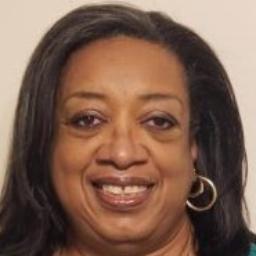
Barbara Haslip is a Licensed Master Social Worker (LMSW) with 22 years of experience. She helps people who are feeling overwhelmed by stress, anger, anxiety, relationship strain, mood shifts, or substance concerns. Her style is warm, direct when needed, and focused on setting clear, achievable goals.
Barbara listens first to understand each person’s priorities. She then works with them to set specific objectives and practical steps they can try between sessions.
Background and approach
Conversations are straightforward and respectful, with attention to strengths and limits. She uses tools from client-centered work, cognitive behavioral strategies, and skills from dialectical approaches to help manage emotions and change unhelpful patterns. Motivational interviewing and solution-focused techniques are used to boost motivation and identify small, useful shifts that matter fast.
Barbara has spent decades supporting adults and seniors across a range of concerns, including grief, addiction, bipolar mood concerns, parenting strain, and issues tied to family of origin. She speaks English and practices in Michigan. Sessions aim to help people gain clearer thinking, better emotional regulation, and practical steps toward their goals.
The focus can include communication skills, coping with anger, rebuilding trust after loss, or addressing workplace or caregiving stress. She frames progress as steady work, not quick fixes, and collaborates with each person to find what fits their life and schedule.
What Barbara works with
Everything Barbara lists, in the therapist's own terms. Anger is the reason this directory exists; the rest tells you what usually sits alongside it in Barbara's practice.
- Stress, Anxiety
- Relationship issues
- Anger management
- Self esteem
- Bipolar disorder
- Addictions
- LGBT
- Family conflicts
- Trauma and abuse
- Grief
- Intimacy-related issues
- Parenting issues
- Career difficulties
- Depression
- Compassion fatigue
- ADHD
- Abandonment
- Adoption and foster care
- Aging and geriatric issues
- Attachment issues
- Co-morbidity
- Codependency
- Commitment issues
- Communication problems
- Control issues
- Divorce and separation
- Domestic violence
- Family of origin issues
- Family problems
- Forgiveness
- Guilt and shame
- Hospice and end-of-life counseling
- Impulsivity
- Isolation / loneliness
- Men's issues
- Mood disorders
- Multicultural concerns
- Obsessions, compulsions, and OCD
- Personality disorders
- Post-traumatic stress
- Seasonal Affective Disorder (SAD)
- Self-harm
- Self-love
- Sexual assault and abuse
- Women's issues
- Workplace issues
Approaches Barbara lists
- Client-Centered Therapy
- Cognitive Behavioral Therapy (CBT)
- Dialectical Behavior Therapy (DBT)
- Motivational Interviewing
- Solution-Focused Therapy
Listing an approach is not evidence of training in it. This directory copies what each therapist names and does not check training records.
How Barbara’s Approaches Work Online
Barbara blends client-centered care with cognitive behavioral strategies and techniques from dialectical behavior work to address problems like anger, anxiety, depression, and relationship conflict. Client-centered therapy starts by following the person’s lead and building trust so the next steps feel manageable. Cognitive behavioral therapy focuses on identifying unhelpful thoughts and testing small behavior changes to see what helps. Dialectical behavior therapy contributes practical skills for emotion regulation, distress tolerance, and clearer communication.Finding the right mix of techniques is a collaborative process. The therapist will talk with each person about goals, preferences, and what has or hasn’t helped before. Together they decide which strategies to try first and adjust the plan as progress is made.
Online sessions are offered as video calls, phone sessions, live chat, or text-based messaging to match practical needs. Video works well for deeper conversations and role-play practice, phone can be easier when bandwidth is limited, live chat lets someone check in quickly, and messaging supports brief check-ins or ongoing skill practice. These options help fit therapy into work, caregiving, or travel schedules without needing to commute.
Questions people ask about Barbara
What concerns does Barbara commonly address?
She works with stress, anger, anxiety, depression, relationship and family problems, grief, addictions, bipolar mood concerns, self-esteem, parenting strain, and related issues.
What is her general therapy style?
Her approach is open and empathetic while remaining direct when needed. She focuses on setting clear, measurable goals and practical steps to try between sessions.
How much experience does she have?
She has 22 years of experience working as a therapist and medical social worker across a variety of adult populations and settings.
What credentials and location are listed?
She holds an LMSW, which stands for Licensed Master Social Worker, and practices in Michigan.
Which languages are supported for sessions?
Sessions are offered in English.
What session formats are available online?
Sessions can be delivered via video calls, phone sessions, live chat, or text-based messaging to fit different needs and schedules.
How are costs handled for sessions?
Cost varies with location and therapist availability; sessions use a subscription model that can be canceled at any time.
How do I begin working with her?
Click the Start Therapy button, complete a short matching questionnaire, and then schedule sessions according to therapist availability.