Works with
- Anger
- Career difficulties
How Blandina works
Practical facts
- Credentials
- LPC
- Licensed in
- Michigan
- Years in practice
- 3
- Languages
- English
- Session format
- Online, through our partner platform
About Blandina
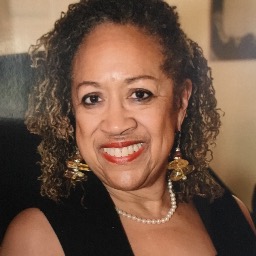
Dr. Blandina Rose-willis uses a client-centered approach paired with practical techniques to help people manage stress, anger, anxiety, and life transitions. She is a Licensed Professional Counselor (LPC) in Michigan and focuses on clear, down-to-earth support that helps people make small changes that matter.
She began working with people after incarceration and with those recovering from addiction, helping them rebuild job skills and self-esteem. Later work in university and community college settings added experience with academic struggles, career decisions, homelessness, post-war trauma, and single parent challenges.
Background and approach
Those roles taught her to listen closely and prioritize what each person needs from session to session. After completing a PhD, she moved into administration and supervision while retaining a counseling focus. In those roles she taught communication skills, coached staff, and helped teams solve departmental problems.
Her background blends individual counseling, group work, and program-level thinking. Her approach draws on client-centered therapy, cognitive behavioral ideas, mindfulness, and short-term solution-focused work. She describes therapy as collaborative: she listens first, then helps people try practical steps to reduce distress and build routines that support better coping.
Dr. Rose-willis also works with issues like grief, self-esteem, relationship trouble, career questions, ADHD, and compassion fatigue. She offers group-based experience and individual sessions that emphasize steady progress and rebuilding practical life skills.
What Blandina works with
Everything Blandina lists, in the therapist's own terms. Anger is the reason this directory exists; the rest tells you what usually sits alongside it in Blandina's practice.
- Career difficulties
- Stress, Anxiety
- Addictions
- LGBT
- Relationship issues
- Family conflicts
- Grief
- Anger management
- Self esteem
- Depression
- Coping with life changes
- Coaching
- Compassion fatigue
- ADHD
- Aging and geriatric issues
- Antisocial personality
- Blended family issues
- Body image
- Codependency
- Commitment issues
- Control issues
- Dependent personality
- Eating and food-related issues
- Emptiness
- Family problems
- Fatherhood issues
- Fertility issues
- Forgiveness
- Guilt and shame
- Impulsivity
- Infidelity
- Intellectual disability
- Isolation / loneliness
- Jealousy
- Life purpose
- Midlife crisis
- Money and financial issues
- Multicultural concerns
- Narcissism
- Obsessions, compulsions, and OCD
- Paranoia
- Prejudice and discrimination
- Seasonal Affective Disorder (SAD)
- Self-love
- Social anxiety and phobia
- Women's issues
- Workplace issues
Approaches Blandina lists
- Client-Centered Therapy
- Cognitive Behavioral Therapy (CBT)
- Mindfulness Therapy
- Solution-Focused Therapy
Listing an approach is not evidence of training in it. This directory copies what each therapist names and does not check training records.
Approaches that translate well to online care
Client-centered therapy focuses on listening and building a trusting connection so people feel heard and understood; it helps with motivation, self-esteem, relationship concerns, and emotional overwhelm. Cognitive Behavioral Therapy, or CBT, looks at the links between thoughts, feelings, and actions and teaches practical skills to reduce anxiety, manage anger, and change difficult habits.Choosing the right approach is part of the therapy process. The therapist will work together with each person to identify goals, try methods that fit their needs, and adjust the plan over time. That collaborative process helps ensure techniques match what a person wants to change and how they prefer to work.
Online sessions are offered as video calls, phone sessions, live chat, or text-based messaging to make care more accessible. Video lets people use visual cues and longer conversations, phone can work when bandwidth is limited, live chat suits quick check-ins, and messaging supports ongoing reflection between meetings. These options make it easier to fit therapy into a busy life while still using the same therapeutic approaches practiced in person.
Questions people ask about Blandina
What kinds of concerns does this therapist address?
She helps people with stress, anger, anxiety, depression, career questions, addictions, grief, self-esteem, ADHD, relationship and family issues, and related life changes.
What is the general style of therapy offered?
Therapy is client-centered and collaborative, using active listening and practical steps. Cognitive behavioral techniques and mindfulness are also used to change unhelpful patterns.
What background does the therapist bring to sessions?
She has three years of counseling experience working in community and college settings and has run group workshops and supervisory roles after completing a PhD.
Where is the therapist licensed and located?
She is a Licensed Professional Counselor (LPC) in Michigan and lists Michigan as her practice location.
Which languages and international options are supported?
Sessions are offered in English and the therapist accepts international clients.
What session formats are available?
Work can be done via video calls, phone sessions, live chat, or text-based messaging to fit different schedules and needs.
How are fees and payment arranged?
Cost varies with location and therapist availability; sessions use a subscription that can be canceled at any time.
How does someone begin therapy with this clinician?
Start by selecting the Start Therapy button, completing a short matching questionnaire, and then scheduling according to the therapist's availability.