Works with
- Anger
- Stress, Anxiety
- Relationship issues
- Self esteem
- Depression
- Coping with life changes
How Brittany works
Practical facts
- Credentials
- LPC, LCMHC
- Licensed in
- North Carolina, South Carolina
- Years in practice
- 6
- Languages
- English
- Session format
- Online, through our partner platform
About Brittany
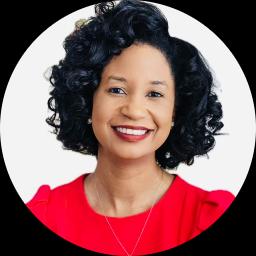
Brittany Bridges offers a calm, listening presence for people feeling overwhelmed by anger, stress, or life changes. She creates a warm, nonjudgmental space where clients can talk through difficult feelings and practical struggles. Brittany uses straightforward language and focuses on what a person needs right now.
She blends methods that help people notice patterns, try small behavior changes, and build better coping skills. Sessions often include planning simple steps to manage intense emotions and practicing new ways to respond in heated moments.
Background and approach
Motivational techniques are used when someone wants extra help finding momentum for change. Brittany's background includes work in a university counseling center and a community mental health clinic. Those roles involved supporting people with mood disorders, substance use challenges, and life transitions.
Her six years of experience shaped a practical style that balances listening with concrete tools. In appointments she focuses on clear goals that fit each person. Conversations might cover stress, anxiety, depression, grief, trauma, relationship strain, attention challenges, or problems with alcohol and drugs.
Anger and coping skills are a common focus when people are ready to change how they react. Sessions are offered in English and delivered from North Carolina. Brittany holds the LPC credential and the Licensed Clinical Mental Health Counselor credential, listed as SC LPC and NC LCMHC.
She aims to help people build steady routines and respond to setbacks with more control and calm.
What Brittany works with
Everything Brittany lists, in the therapist's own terms. Anger is the reason this directory exists; the rest tells you what usually sits alongside it in Brittany's practice.
- Stress, Anxiety
- Relationship issues
- Self esteem
- Depression
- Coping with life changes
- Addictions
- Family conflicts
- Trauma and abuse
- Grief
- Anger management
- Bipolar disorder
- ADHD
- Body image
- Co-morbidity
- Communication problems
- Drug and alcohol addiction
- Life purpose
- Mood disorders
- Multicultural concerns
- Panic disorder and panic attacks
- Postpartum depression
- Post-traumatic stress
- Self-love
- Sexual assault and abuse
- Women's issues
- Young adult issues
Approaches Brittany lists
- Client-Centered Therapy
- Cognitive Behavioral Therapy (CBT)
- Dialectical Behavior Therapy (DBT)
- Motivational Interviewing
Listing an approach is not evidence of training in it. This directory copies what each therapist names and does not check training records.
How therapeutic approaches are used online
Client-Centered Therapy focuses on listening carefully and following the person's pace. It helps people feel understood and make changes that fit their values and daily life.Cognitive Behavioral Therapy, or CBT, looks at thoughts and behaviors that keep problems going. Online sessions often include short homework, thought logs, and step-by-step plans to reduce anxiety, manage mood, or handle anger spikes.
Finding the right approach is part of the work. The therapist will collaborate with each person to pick methods that match their goals, needs, and preferences. That means trying strategies, checking how they feel, and adjusting the plan together.
Online therapy gives several practical benefits. Video calls let people have full conversations and use visual cues, while phone sessions work well when bandwidth is limited or a simpler check-in is needed. Live chat and text-based messaging are useful for brief updates, asking quick questions, or when someone prefers writing between sessions. These options make it easier to keep regular appointments and to use skills in real time.
Questions people ask about Brittany
What concerns does she address?
Brittany helps people with stress, anxiety, depression, anger, grief, trauma, addictions, relationship and communication problems, and related mood or life transition issues.
What is her general therapy style?
She offers a warm, client-centered style that pairs listening with practical skill-building from approaches like CBT, DBT, and motivational interviewing.
What is her professional background?
She has six years of experience and has worked in a university counseling center and a community mental health clinic supporting a range of concerns.
Which credentials and region apply?
Credentials listed are LPC and Licensed Clinical Mental Health Counselor, with SC LPC and NC LCMHC. She practices from North Carolina.
In which languages are sessions offered?
Sessions are offered in English and she is not accepting international clients.
What session formats are available?
Appointments can be scheduled as video calls, phone sessions, live chat, or text-based messaging to suit different needs and routines.
How does payment and cost work?
Cost varies with location and therapist arrangements; sessions use a subscription model that can be canceled at any time.
How do I begin working with her?
Start by selecting the Start Therapy button, complete a short matching questionnaire, and then schedule sessions according to the therapist's availability.