Works with
- Anger
- Stress, Anxiety
- Trauma and abuse
- Grief
- Anger management
- Depression
How Chrystine works
Practical facts
- Credentials
- LICSW, LCSW
- Licensed in
- Connecticut, Massachusetts
- Years in practice
- 6
- Languages
- English
- Session format
- Online, through our partner platform
About Chrystine
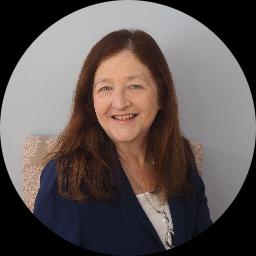
Chrystine Longley is a licensed clinical social worker who helps people manage anger, stress, anxiety, trauma, grief, and depression. She brings six years of practical experience and a calm, straightforward approach. Her goal is to make the first step feel manageable for someone who is worried or overwhelmed.
She creates a warm, nonjudgmental space where clients can talk about difficult feelings. Sessions focus on clear, useful strategies rather than jargon.
Background and approach
Chrystine aims to help people find ways to feel steadier and more in control day to day. Her work draws on several well-established approaches, including client-centered methods that follow the person's lead and cognitive behavioral tools that look at thoughts and behaviors. She also uses trauma-focused techniques to address past hurt and emotionally-focused ideas to improve emotional understanding.
Chrystine has experience supporting people connected to the military, first responders, and those living with chronic illness. She listens for what matters most to each person and adapts her work to fit their situation. Her practical focus includes problem-solving and building coping skills that fit real life.
Sessions are offered in English and take place remotely for people in Massachusetts. She holds an MA and is credentialed as a LICSW and a LCSW. Chrystine encourages people to take the step of reaching out when they feel ready.
What Chrystine works with
Everything Chrystine lists, in the therapist's own terms. Anger is the reason this directory exists; the rest tells you what usually sits alongside it in Chrystine's practice.
- Stress, Anxiety
- Trauma and abuse
- Grief
- Anger management
- Depression
- Aging and geriatric issues
- Cancer
- Caregiver issues and stress
- Chronic pain, illness, and disability
- Communication problems
- Divorce and separation
- Forgiveness
- Guilt and shame
- Hospice and end-of-life counseling
- Impulsivity
- Life purpose
- Veteran and Armed Forces Issues
- Panic disorder and panic attacks
- Post-traumatic stress
- Self-love
- Social anxiety and phobia
- Workplace issues
Approaches Chrystine lists
- Client-Centered Therapy
- Cognitive Behavioral Therapy (CBT)
- Emotionally-Focused Therapy (EFT)
- Solution-Focused Therapy
- Trauma-Focused Therapy
Listing an approach is not evidence of training in it. This directory copies what each therapist names and does not check training records.
How therapeutic approaches work online
Client-centered therapy follows the person's lead and focuses on listening, understanding, and responding to what the client says. It helps people feel heard and able to name what matters most to them. Cognitive Behavioral Therapy, or CBT, looks at how thoughts and behaviors influence feelings and teaches practical skills to change unhelpful patterns. It is useful for anxiety, anger, and mood issues.Finding the right approach is part of the work. The therapist will discuss goals and preferences during early sessions and suggest approaches that fit those needs. This is a collaborative process and adjustments are made as progress and priorities become clearer.
Online sessions are offered by licensed professionals using video calls, phone sessions, live chat, or text-based messaging. Video sessions allow face-to-face conversation while phone calls can be easier when bandwidth is limited. Live chat and text messaging offer short check-ins and flexibility for busy schedules. These options make it easier to keep therapy consistent around work, caregiving, or health demands.
Questions people ask about Chrystine
What concerns does she address?
She helps people facing stress, anxiety, trauma and abuse, grief, anger, and depression. Additional foci include chronic illness, caregiver stress, and issues related to aging and end-of-life care.
What is her therapeutic style like?
Her style is client-centered and straightforward. She uses practical strategies from cognitive behavioral and trauma-focused work and focuses on what helps in daily life.
How much clinical experience does she have?
She has six years of professional therapeutic intervention experience. That background includes work with military-connected people, first responders, and patients with chronic illness.
Where is she licensed and based?
She holds an MA and is credentialed as a LICSW and a LCSW. She practices with ties to Massachusetts and Connecticut as noted in her background.
Which languages are supported?
Sessions are offered in English.
What session formats are available?
Sessions can be conducted via video calls, phone sessions, live chat, or text-based messaging to suit different communication preferences.
How are costs and billing handled?
Costs vary with location and therapist availability, and sessions use a subscription that can be canceled at any time.
How do I begin working with her?
Begin by selecting the Start Therapy button, completing a short matching questionnaire, and scheduling based on the therapist's availability.