Works with
- Anger
- Stress, Anxiety
- Relationship issues
- Family conflicts
- Parenting issues
- Depression
How Cornell works
Practical facts
- Credentials
- LMHC
- Licensed in
- Washington
- Years in practice
- 12
- Languages
- English
- Session format
- Online, through our partner platform
About Cornell
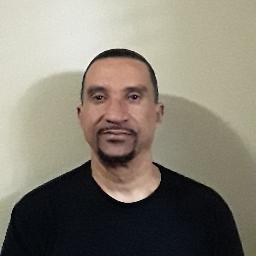
Cornell Anderson is a Licensed Mental Health Counselor (LMHC) based in Washington with 12 years of clinical experience. He works with adults who are dealing with stress, anxiety, depression, relationship concerns, addiction, anger, and related issues. He brings a straightforward, practical approach to sessions and focuses on helping people manage symptoms and make day-to-day changes.
Cornell uses a mix of methods to match each person's needs. He often draws on cognitive behavioral techniques to challenge unhelpful thinking and acceptance-based ideas to help people respond differently to difficult feelings.
Background and approach
Sessions are conversational and focused on skills that can be used between meetings. People come to Cornell for many concerns, including trauma and abuse, intimacy issues, eating concerns, bipolar mood challenges, and struggles with self-esteem. He also addresses more specific topics like infidelity, process addictions such as gambling or pornography, and multicultural or prejudice-related stress.
When appropriate he includes work on coping with life changes and career-related pressures. His style emphasizes collaboration and practical steps. He helps clients identify small experiments and behavior changes they can try, then reviews what worked and what did not.
Cornell aims to make therapy understandable and useful rather than full of jargon. Sessions may combine short-term problem solving with longer-term reflection about values and goals. English-language sessions are offered by video calls, phone, live chat, or text-based messaging, and international clients are not accepted.
What Cornell works with
Everything Cornell lists, in the therapist's own terms. Anger is the reason this directory exists; the rest tells you what usually sits alongside it in Cornell's practice.
- Stress, Anxiety
- Relationship issues
- Family conflicts
- Parenting issues
- Depression
- Addictions
- LGBT
- Trauma and abuse
- Intimacy-related issues
- Eating disorders
- Anger management
- Self esteem
- Career difficulties
- Bipolar disorder
- Coping with life changes
- Infidelity
- Veteran and Armed Forces Issues
- Multicultural concerns
- Obsessions, compulsions, and OCD
- Personality disorders
- Polyamory / non-monogamous relationships
- Prejudice and discrimination
- Process addiction (porn, exercise, gambling)
- Self-harm
- Sex addiction
- Sexual assault and abuse
- Sexual dysfunction
Approaches Cornell lists
- Acceptance and Commitment Therapy (ACT)
- Client-Centered Therapy
- Cognitive Behavioral Therapy (CBT)
- Emotionally-Focused Therapy (EFT)
- Existential Therapy
- Mindfulness Therapy
- Motivational Interviewing
- Narrative Therapy
- Solution-Focused Therapy
- Trauma-Focused Therapy
Listing an approach is not evidence of training in it. This directory copies what each therapist names and does not check training records.
Therapeutic approaches and online care
Cornell frequently uses Acceptance and Commitment Therapy, which helps people notice difficult thoughts and feelings without getting pulled into them, and then act in ways that match their values. This approach can help with anger, anxiety, and ongoing mood struggles.He also works with Cognitive Behavioral Therapy, a practical method that looks at how thoughts, feelings, and behaviors interact and teaches specific strategies to change unhelpful patterns. CBT is useful for anxiety, depressive symptoms, and problems like obsessive thoughts or compulsive actions.
Finding the right approach is part of the work together. He will listen to a person's goals, try out approaches, and adjust methods based on what helps most. The process is collaborative and paced to fit the person's needs and preferences.
Online therapy lets people access sessions in ways that fit busy lives. Video calls are good for a fuller face-to-face conversation and teaching skills that use visual materials. Phone sessions work when lower bandwidth or not being on camera is preferable. Live chat and text-based messaging suit brief check-ins, ongoing coaching, and people who prefer writing to speaking. These options make it easier to keep continuity of care and practice skills between sessions.
Questions people ask about Cornell
What kinds of problems does Cornell help with?
He works with stress, anxiety, depression, anger, addictions, relationship and family concerns, trauma and abuse, and related issues such as self-esteem and eating concerns.
How would you describe his therapy style?
Sessions are collaborative and practical, with a focus on skills people can use between meetings and on testing small changes in daily life.
What is his professional background?
Cornell has 12 years of clinical experience and holds the LMHC credential listed as WA LMHC.
Where does he practice?
He provides services from Washington and holds the Washington LMHC credential.
Which languages are supported for sessions?
Sessions are offered in English.
What session formats are available?
He sees clients by video calls, phone sessions, live chat, or text-based messaging.
How are sessions billed?
Cost varies with location and therapist availability; sessions use a subscription that can be canceled at any time.
How do I begin working with him?
Use the Start Therapy button, complete a short matching questionnaire, and schedule according to therapist availability.