Works with
- Anger
- Stress, Anxiety
- Addictions
- Intimacy-related issues
- Parenting issues
- Compassion fatigue
How David works
Practical facts
- Credentials
- LCSW
- Licensed in
- Wisconsin
- Years in practice
- 19
- Languages
- English
- Session format
- Online, through our partner platform
About David
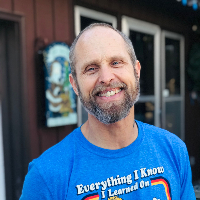
David Krych is a Licensed Clinical Social Worker who helps people struggling with anger, stress, anxiety, addiction, and relationship strain. He focuses first on understanding each person's goals and daily challenges. Sessions are straightforward and practical, aimed at small changes that add up over time.
David draws on nearly two decades as an LCSW and many more years of hands-on counseling work. He knows recovery from substance use firsthand and uses that perspective to normalize setbacks and reinforce steady progress.
Background and approach
He talks with clients about what’s getting in the way of calmer, more connected living and builds from the strengths people already have. His approach blends listening with clear tools. He offers cognitive behavioral techniques to shift unhelpful thinking and emotionally focused work to improve connections and emotional awareness.
Motivational interviewing helps when someone feels stuck and wants to find reasons to change. David values practical steps that fit into real life. He helps people practice new ways of responding to anger, manage cravings and urges, and rebuild trust with themselves and others.
He also addresses grief, parenting concerns, body image struggles, and the isolation that can come with hard life changes. People who choose him can expect a collaborative process. He uses the client's experience to guide goals and chooses methods that match what each person needs.
His work centers on helping people move toward more self-acceptance and a steadier sense of purpose.
What David works with
Everything David lists, in the therapist's own terms. Anger is the reason this directory exists; the rest tells you what usually sits alongside it in David's practice.
- Stress, Anxiety
- Addictions
- Intimacy-related issues
- Parenting issues
- Compassion fatigue
- Relationship issues
- Family conflicts
- Trauma and abuse
- Grief
- Eating disorders
- Anger management
- Bipolar disorder
- Depression
- Coping with life changes
- Coaching
- Abandonment
- Body image
- Caregiver issues and stress
- Co-morbidity
- Codependency
- Communication problems
- Drug and alcohol addiction
- Emptiness
- Family of origin issues
- Family problems
- Fatherhood issues
- Forgiveness
- Guilt and shame
- Isolation / loneliness
- Life purpose
- Men's issues
- Midlife crisis
- Seasonal Affective Disorder (SAD)
- Self-love
- Social anxiety and phobia
- Workplace issues
Approaches David lists
- Client-Centered Therapy
- Cognitive Behavioral Therapy (CBT)
- Emotionally-Focused Therapy (EFT)
- Existential Therapy
- Motivational Interviewing
- Solution-Focused Therapy
Listing an approach is not evidence of training in it. This directory copies what each therapist names and does not check training records.
How his approaches work online
David often uses cognitive behavioral techniques to help people notice and change thinking patterns that fuel anger and anxiety. CBT provides concrete exercises and short experiments to try between sessions, which translate well to remote work. Emotionally-Focused Therapy helps people identify and express core emotions and repair strained connections, useful when relationship or intimacy issues are involved.Choosing the right approach is a team effort. He will talk with each person about their goals, try methods that fit those goals, and adjust based on what feels most helpful. The process is collaborative and paced to match the client's needs and readiness for change.
Online formats include video calls, phone sessions, live chat, and text-based messaging. Video is good for in-depth conversations and practicing new skills together. Phone can be simpler when bandwidth is limited or a shorter check-in is needed. Live chat and text messaging work well for brief updates, ongoing coaching, or when someone prefers writing. These options make it easier to fit therapy into busy lives and to keep working on change between sessions.
Questions people ask about David
What concerns does he help with?
He works with stress, anxiety, addictions, anger, depression, relationship and family problems, grief, trauma and related issues.
What is his therapeutic style like?
Sessions combine listening with practical tools such as cognitive behavioral work and emotionally focused strategies. The tone is collaborative and down-to-earth.
How many years has he practiced?
He brings 19 years as a Licensed Clinical Social Worker and additional earlier counseling experience to his practice.
What are his credentials and where is he based?
He holds a Licensed Clinical Social Worker credential, listed as WI LCSW, and practices from Wisconsin.
In what language can I meet with him?
Sessions are offered in English and he also accepts international clients.
Which session formats does he use?
He works via video calls, phone sessions, live chat, and text-based messaging to fit different schedules and needs.
How does billing and cost work?
Cost varies with location and therapist availability and sessions use a subscription model that can be canceled at any time.
How do I get started with him?
Click the Start Therapy button, complete a short matching questionnaire, and schedule a session according to therapist availability.