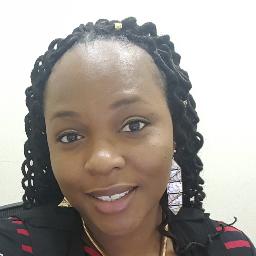
Desiree Monroe, MD, LCPC
Compassionate clinician focusing on practical coping skills
Book with DesireeWorks with
- Anger
- Stress, Anxiety
- Trauma and abuse
- Grief
- Anger management
- Depression
How Desiree works
Practical facts
- Credentials
- MD, LCPC
- Licensed in
- Maryland
- Years in practice
- 16
- Languages
- English
- Session format
- Online, through our partner platform
About Desiree
Desiree Monroe, MD, LCPC, centers her practice on client-centered care that respects each person's story. She blends practical techniques with a calm, direct approach. She focuses on stress, anxiety, trauma, grief, anger, depression, addictions, relationship and parenting concerns, and mood-related challenges.
She has 16 years of experience in clinical settings. That background includes work in both outpatient and inpatient programs. She has supported people with substance use concerns, trauma histories, and those who have faced involvement with the foster care system and first responder roles.
Background and approach
In sessions she uses clear, goal-focused methods. That may include talking through patterns, practicing coping skills, and testing small changes between meetings. She draws on Cognitive Behavioral Therapy, Dialectical Behavior Therapy, motivational interviewing, mindfulness, and a client-centered stance to match techniques to a person's needs.
Desiree aims to teach coping tools for anger, impulsivity, and mood shifts while also addressing grief, isolation, and self-worth. She helps people work through communication problems, caregiver stress, and the strain addiction can place on daily life. Her style is practical and steady, with an emphasis on skills people can apply right away.
She provides services from Maryland and conducts sessions in English. Desiree’s approach is collaborative - she helps people set clear goals and track progress over time.
What Desiree works with
Everything Desiree lists, in the therapist's own terms. Anger is the reason this directory exists; the rest tells you what usually sits alongside it in Desiree's practice.
- Stress, Anxiety
- Trauma and abuse
- Grief
- Anger management
- Depression
- Addictions
- Relationship issues
- Family conflicts
- Intimacy-related issues
- Parenting issues
- Self esteem
- Career difficulties
- Bipolar disorder
- Coping with life changes
- Adoption and foster care
- Caregiver issues and stress
- Communication problems
- Domestic violence
- Drug and alcohol addiction
- Family problems
- First responder issues
- Forgiveness
- Guilt and shame
- Impulsivity
- Isolation / loneliness
- Life purpose
- Mood disorders
- Post-traumatic stress
- Self-love
- Sexual assault and abuse
- Social anxiety and phobia
- Women's issues
- Young adult issues
Approaches Desiree lists
- Client-Centered Therapy
- Cognitive Behavioral Therapy (CBT)
- Dialectical Behavior Therapy (DBT)
- Mindfulness Therapy
- Motivational Interviewing
- Solution-Focused Therapy
- Trauma-Focused Therapy
Listing an approach is not evidence of training in it. This directory copies what each therapist names and does not check training records.
Evidence-based approaches adapted for online care
Desiree commonly uses Cognitive Behavioral Therapy and Dialectical Behavior Therapy in online sessions. CBT focuses on identifying unhelpful thoughts and testing different behaviors to reduce symptoms like anxiety, anger, and low mood. DBT provides concrete skills for emotion regulation, distress tolerance, and improving communication when feelings become intense.She also draws on a client-centered stance that prioritizes each person’s goals and experience. Deciding which approach to use is a collaborative process. The therapist will talk with the client about goals, preferences, and what has or hasn’t worked in the past, then try strategies together and adjust the plan over time.
Online therapy offers flexible ways to connect. Video calls let people work face-to-face from wherever they are, phone sessions use less bandwidth and can be easier during a busy day, and live chat or text-based messaging supports brief check-ins or ongoing text work between sessions. These options make it easier to fit care into work, school, or caregiving routines while still focusing on real skill-building and progress.
Questions people ask about Desiree
What concerns does Desiree address?
She works with stress, anxiety, trauma and abuse, grief, anger, depression, addictions, and related relationship and parenting issues.
How would you describe her therapeutic style?
The style is client-centered and practical, using clear skills and step-by-step strategies drawn from CBT, DBT, mindfulness, and motivational interviewing.
What kind of clinical background does she have?
She has 16 years of counseling experience across outpatient and inpatient settings and has worked with people facing trauma, substance use, foster care involvement, and first responder stress.
Which credentials and region are listed for this clinician?
She is listed with the credentials MD and Licensed Clinical Professional Counselor (LCPC) and practices from Maryland.
In what language are sessions offered?
Sessions are offered in English and international clients are not accepted.
What session formats are available?
Sessions can be conducted by video calls, phone sessions, live chat, or text-based messaging to fit different schedules.
How does payment and cost work?
Cost varies with location and therapist availability; sessions use a subscription model that can be canceled at any time.
What are the steps to begin working together?
Start by selecting the Start Therapy button, complete a short matching questionnaire, and then schedule sessions according to therapist availability.