Works with
How Elizabeth works
Practical facts
- Credentials
- LCPC
- Licensed in
- Illinois
- Years in practice
- 38
- Languages
- English
- Session format
- Online, through our partner platform
About Elizabeth
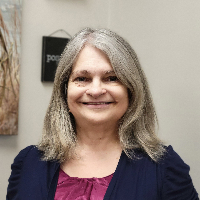
Elizabeth Eugea is a Licensed Clinical Professional Counselor (LCPC) practicing in Illinois with 38 years of experience. She focuses on common struggles such as stress, anxiety, low self-esteem, depression, anger, grief, and coping with life changes. Elizabeth aims to help people build practical life skills they can use day to day.
Her approach is straightforward and respectful. She listens first, then helps people identify small, doable steps to feel steadier.
Background and approach
She blends talk with skill teaching so clients leave sessions with tools they can try right away. Elizabeth uses methods drawn from client-centered therapy, cognitive behavioral therapy, dialectical behavior therapy, mindfulness, and motivational interviewing. That mix lets her tailor sessions to a person’s needs, whether the focus is emotional regulation, changing unhelpful thoughts, or building healthier routines.
She has long experience supporting people facing trauma and abuse, domestic violence, caregiver stress, and first responder strain. Elizabeth also helps with relationship and communication problems, parenting concerns, work and career stress, and issues tied to family of origin. Sessions emphasize respect, empathy, and practical steps.
Elizabeth describes therapy as a partnership where she offers guidance, skills, and steady support while people set their own goals. She aims to help clients move toward a calmer, more manageable life.
What Elizabeth works with
Everything Elizabeth lists, in the therapist's own terms. Anger is the reason this directory exists; the rest tells you what usually sits alongside it in Elizabeth's practice.
- Stress, Anxiety
- Self esteem
- Depression
- Coping with life changes
- ADHD
- Relationship issues
- Family conflicts
- Trauma and abuse
- Grief
- Parenting issues
- Anger management
- Career difficulties
- Compassion fatigue
- Abandonment
- Blended family issues
- Cancer
- Caregiver issues and stress
- Codependency
- Communication problems
- Divorce and separation
- Domestic violence
- Emptiness
- Family of origin issues
- Family problems
- Fatherhood issues
- First responder issues
- Forgiveness
- Guilt and shame
- Impulsivity
- Infidelity
- Isolation / loneliness
- Jealousy
- Life purpose
- Midlife crisis
- Veteran and Armed Forces Issues
- Money and financial issues
- Mood disorders
- Multicultural concerns
- Panic disorder and panic attacks
- Postpartum depression
- Prejudice and discrimination
- Seasonal Affective Disorder (SAD)
- Self-love
- Women's issues
- Workplace issues
- Young adult issues
Approaches Elizabeth lists
- Client-Centered Therapy
- Cognitive Behavioral Therapy (CBT)
- Dialectical Behavior Therapy (DBT)
- Mindfulness Therapy
- Motivational Interviewing
- Solution-Focused Therapy
Listing an approach is not evidence of training in it. This directory copies what each therapist names and does not check training records.
How therapy approaches fit into online care
Client-centered therapy focuses on listening and understanding a person's experience. It helps by creating a space where people can talk through feelings and decide on goals at their own pace. Cognitive behavioral therapy, or CBT, looks at how thoughts and actions affect feelings and teaches practical exercises to change unhelpful patterns and reduce anxiety or low mood. Dialectical behavior therapy, DBT, concentrates on emotional regulation and managing distress; it offers concrete skills for handling anger, intense emotions, and relationship conflicts.Choosing the right approach is a collaborative process. The therapist will discuss goals and preferences, try methods that seem to fit, and adjust as needed. That way sessions stay focused on what helps in day-to-day life rather than sticking to one fixed method.
Online formats make it easier to fit therapy into a busy schedule. Video calls let people meet face to face when a longer conversation is needed. Phone sessions work when bandwidth is limited or a simpler check-in is preferred. Live chat and text-based messaging allow shorter, more frequent check-ins and can help keep progress steady between longer sessions. These options give flexibility while keeping therapeutic work consistent and accessible.
Questions people ask about Elizabeth
What concerns does Elizabeth support?
She helps with stress, anxiety, depression, anger, low self-esteem, grief, ADHD, trauma and abuse, relationship and family problems, career stress, and compassion fatigue.
How would you describe her therapy style?
Her style is empathetic and practical. She listens closely and teaches life skills people can use between sessions.
What is her clinical background?
Elizabeth has 38 years of experience in counseling and long experience supporting survivors of abuse, caregiver stress, and first responder issues.
What credentials and location apply?
She is a Licensed Clinical Professional Counselor, LCPC, licensed in Illinois and practices there.
Which languages are offered and are international clients supported?
Sessions are offered in English and international clients are not currently accepted.
What session formats are available?
Sessions can be conducted by video calls, phone sessions, live chat, or text-based messaging.
How does pricing work?
Cost varies with location and therapist availability; sessions use a subscription that can be canceled at any time.
How do I begin working with her?
Choose the Start Therapy button, complete a short matching questionnaire, and schedule sessions according to therapist availability.