Works with
- Anger
- Addictions
- Relationship issues
- Trauma and abuse
- Anger management
- ADHD
How Ida works
Practical facts
- Credentials
- LMFT
- Licensed in
- California, Montana
- Years in practice
- 8
- Languages
- English
- Session format
- Online, through our partner platform
About Ida
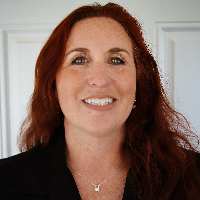
Ida Whitaker is a licensed marriage and family therapist who blends practical therapies to help people manage strong emotions, rebuild relationships, and move past trauma. She uses clear, hands-on methods to address anger, anxiety, addictions, and stress so clients can make steady changes in daily life.
She earned a Master of Arts in Psychology with a focus on marriage and family therapy and has eight years of clinical experience. Ida holds LMFT credentials in Montana and California and has worked in outpatient settings offering both individual and group work.
Background and approach
In sessions she draws on cognitive behavioral techniques to identify unhelpful thinking and change patterns of behavior. She also uses trauma-focused approaches and emotion-centered work to help people process painful memories and strengthen emotional connection. Sessions focus on practical steps you can try between meetings.
Ida has worked with people facing addiction, relationship strain, parenting challenges, grief, and career stress. She also supports those dealing with attachment difficulties, communication problems, impulsivity, and issues tied to family of origin or past abuse. Her experience includes addressing depression and both substance and behavioral addictions.
Her style is straightforward and nonjudgmental. She aims to be a steady partner who listens, clarifies what’s getting in the way, and helps build tools for coping and repair. Prospective clients begin by completing a short matching questionnaire and then schedule a plan that fits their needs.
What Ida works with
Everything Ida lists, in the therapist's own terms. Anger is the reason this directory exists; the rest tells you what usually sits alongside it in Ida's practice.
- Addictions
- Relationship issues
- Trauma and abuse
- Anger management
- ADHD
- Stress, Anxiety
- LGBT
- Family conflicts
- Grief
- Intimacy-related issues
- Parenting issues
- Self esteem
- Career difficulties
- Depression
- Coping with life changes
- Compassion fatigue
- Attachment issues
- Autism and Asperger Syndrome
- Communication problems
- Control issues
- Dependent personality
- Disruptive Mood Dysregulation Disorder (DMDD)
- Domestic violence
- Drug and alcohol addiction
- Family of origin issues
- Family problems
- Fertility issues
- Forgiveness
- Guilt and shame
- Impulsivity
- Infidelity
- Isolation / loneliness
- Midlife crisis
- Veteran and Armed Forces Issues
- Multicultural concerns
- Post-traumatic stress
- Process addiction (porn, exercise, gambling)
- Self-harm
- Self-love
Approaches Ida lists
- Cognitive Behavioral Therapy (CBT)
- Emotionally-Focused Therapy (EFT)
- Eye Movement Desensitization and Reprocessing (EMDR)
- Motivational Interviewing
- Solution-Focused Therapy
- Trauma-Focused Therapy
Listing an approach is not evidence of training in it. This directory copies what each therapist names and does not check training records.
How Ida Uses Focused Therapies Online
Ida often uses cognitive behavioral therapy to help people spot unhelpful thoughts and try small behavior changes. CBT breaks problems into thinking, feeling, and acting so clients can test new responses and reduce anger or anxiety.She also integrates emotionally-focused therapy to help people identify and name core feelings and to strengthen emotional responses in relationships. This approach helps when anger or distance comes from unmet emotional needs. When trauma is central, she draws on EMDR principles to help process distressing memories and reduce their hold on daily life.
Finding the right approach is part of the work. Ida will talk with each person about their goals and preferences and then choose methods together. That collaborative process means plans can change as needs shift over time.
Online sessions are offered by video calls, phone sessions, live chat, or text-based messaging to fit different schedules. Video is useful for a full session and visible cues, phone can be easier if bandwidth is low, and chat or messaging works well for brief check-ins or when someone needs quick practical support. These options aim to make consistent therapy easier to fit into a busy life.
Questions people ask about Ida
What kinds of concerns does Ida address?
She helps people with anger, addictions, trauma and abuse, anxiety, depression, and stress. Relationship strain, parenting issues, grief, and self-esteem are also common topics.
What is her therapy style like?
Her approach is practical and direct, combining cognitive behavioral work with emotion-focused and trauma-focused methods. Sessions focus on clear steps and skills to use between meetings.
How much clinical experience does she have?
She has eight years of experience working in outpatient settings, leading individual and group work with people facing a wide range of concerns.
What are her credentials and where is she based?
She is a Licensed Marriage and Family Therapist - LMFT - licensed in Montana and California. Her practice is based in Montana.
Which languages are supported in sessions?
Sessions are offered in English.
What session formats are available online?
She offers video calls, phone sessions, live chat, and text-based messaging to fit different schedules and communication preferences.
How does billing and cost work?
Cost varies with location and therapist availability; sessions use a subscription model that can be canceled at any time.
How do I begin working with her?
Start by selecting the Start Therapy button and completing a short matching questionnaire, then schedule sessions according to therapist availability.