Works with
- Anger
- Stress, Anxiety
- Trauma and abuse
- Anger management
- Depression
How James works
Practical facts
- Credentials
- LCSW, CSW
- Licensed in
- Georgia
- Years in practice
- 11
- Languages
- English
- Session format
- Online, through our partner platform
About James
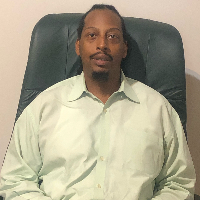
James Milner is a licensed clinical social worker in Georgia with a focus on helping adults manage strong emotions and life stressors. He works with people who are struggling with anger, anxiety, depression, substance concerns, relationship and family difficulties, and big life changes. James draws on practical tools and clear conversation to help people make changes that matter.
He uses a blend of approaches rather than one fixed method. That means sessions often include skills practice, present-focused work, and attention to personal values and meaning.
Background and approach
He describes therapy as a partnership where the client’s beliefs and background shape the plan. James trained in social work, holds the LCSW and CSW credentials, and brings 11 years of clinical experience to his practice.
Much of his earlier career involved running supportive housing programs and counseling in community settings, which shaped his interest in practical solutions and coaching for everyday life. He often combines acceptance and commitment ideas with cognitive-behavioral skills and mindfulness practices. Hypnotherapy and dialectical behavior techniques are also part of his toolbox when they fit a person’s needs.
Sessions focus on clear steps people can try between meetings. James pays close attention to a person’s worldview and spiritual beliefs when they matter to treatment. He aims to help adults connect how their past affects current struggles and to build coping strategies that support daily functioning and relationships.
What James works with
Everything James lists, in the therapist's own terms. Anger is the reason this directory exists; the rest tells you what usually sits alongside it in James's practice.
- Stress, Anxiety
- Trauma and abuse
- Anger management
- Depression
- Addictions
- Relationship issues
- Family conflicts
- Grief
- Self esteem
- Career difficulties
- Bipolar disorder
- Coping with life changes
- Abandonment
- Blended family issues
- Co-morbidity
- Codependency
- Commitment issues
- Communication problems
- Control issues
- Dependent personality
- Divorce and separation
- Domestic violence
- Drug and alcohol addiction
- Emptiness
- Family of origin issues
- Family problems
- Fatherhood issues
- Forgiveness
- Guilt and shame
- Infidelity
- Isolation / loneliness
- Jealousy
- Life purpose
- Men's issues
- Mood disorders
- Multicultural concerns
- Post-traumatic stress
- Prejudice and discrimination
- Self-love
- Sexual assault and abuse
- Social anxiety and phobia
- Workplace issues
Approaches James lists
- Acceptance and Commitment Therapy (ACT)
- Client-Centered Therapy
- Cognitive Behavioral Therapy (CBT)
- Dialectical Behavior Therapy (DBT)
- Hypnotherapy
- Mindfulness Therapy
- Motivational Interviewing
- Solution-Focused Therapy
- Internal Family Systems
Listing an approach is not evidence of training in it. This directory copies what each therapist names and does not check training records.
Therapeutic approaches and online care
Acceptance and Commitment Therapy, or ACT, focuses on helping people notice what truly matters to them and take small actions toward those values even when emotions are difficult. It can help with anger, anxiety, and life changes by shifting attention to meaningful goals rather than constant control of feelings.Cognitive Behavioral Therapy, or CBT, looks at how thoughts and behaviors interact and teaches practical skills to change unhelpful patterns. It is useful for anxiety, depression, anger, and substance concerns because it emphasizes clear strategies and homework practice.
Finding the right approach is a team process. The therapist will discuss goals, try methods that match those goals, and adjust plans together as progress is tracked. Clients are invited to share what fits their beliefs and daily life so techniques feel relevant and usable.
Online therapy offers flexible ways to work together. Video calls let people meet face to face when schedules and bandwidth allow. Phone sessions can be shorter check-ins or work well when video is not practical. Live chat and text messaging support brief check-ins, skill reminders, and ongoing contact between real-time sessions, which can help people practice new skills in everyday moments.
Questions people ask about James
What kinds of problems does James help with?
He works with adults facing stress, anxiety, trauma and abuse, anger, depression, addictions, relationship and family problems, grief, self-esteem concerns, career issues, bipolar disorder, and coping with life changes.
What is his therapeutic style like?
He blends practical skills training with values-based and mindfulness approaches, and adapts methods to each person's needs. Sessions are collaborative and focus on usable steps between meetings.
How much clinical experience does he have?
He has 11 years of clinical experience working in Georgia, including roles in community mental health and supportive housing programs that informed his practical approach.
What credentials and location apply to this practice?
He holds LCSW and CSW credentials and practices in Georgia.
Are sessions offered in other languages or internationally?
Sessions are offered in English. International clients are not currently accepted.
Which session formats are available?
Sessions can be conducted by video calls, phone sessions, live chat, or text-based messaging to fit different schedules and preferences.
How is cost handled for sessions?
Cost varies with location and therapist availability; sessions use a subscription that can be canceled at any time.
How do I begin working with him?
Start by selecting the Start Therapy button, complete a short matching questionnaire, and schedule sessions according to therapist availability.