Works with
- Anger
- Stress, Anxiety
- Family conflicts
- Self esteem
- Depression
- Coping with life changes
How Jeremee works
Practical facts
- Credentials
- LCSW
- Licensed in
- California
- Years in practice
- 15
- Languages
- English
- Session format
- Online, through our partner platform
About Jeremee
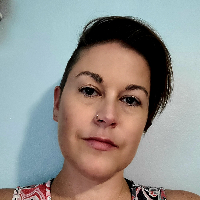
Jeremee (Mimi) Bouchard is a Licensed Clinical Social Worker with 15 years of therapy experience. She builds a calm, nonjudgmental space where people can talk about what feels hard. She focuses on helping people notice their strengths and make practical steps forward.
She works with a wide range of concerns including stress, anxiety, depression, anger, and addictions. She also supports people dealing with relationship and family problems, self-esteem and body image worries, grief, career stress, and life transitions.
Background and approach
Mimi’s practice includes attention to ADHD, bipolar mood issues, and identity concerns such as gender dysphoria and LGBT matters. Mimi combines straightforward conversation with goal-focused tools. She draws on Client-Centered Therapy to follow each person’s lead.
She uses Cognitive Behavioral Therapy to spot patterns that keep problems going. Solution-Focused ideas help set small, reachable goals and track progress. Sessions are practical and paced to what each person needs.
Mimi asks questions to understand what’s most pressing, then helps shape a clear direction to work toward. She offers strategies for coping, communication, and managing intense feelings like anger or impulsivity. Her background includes many settings across California over a long career in mental health.
Clients can expect approachable guidance, steady listening, and an emphasis on steps they can try between sessions. Mimi conducts therapy in English and practices from California as an LCSW.
What Jeremee works with
Everything Jeremee lists, in the therapist's own terms. Anger is the reason this directory exists; the rest tells you what usually sits alongside it in Jeremee's practice.
- Stress, Anxiety
- Family conflicts
- Self esteem
- Depression
- Coping with life changes
- Addictions
- LGBT
- Relationship issues
- Trauma and abuse
- Grief
- Intimacy-related issues
- Eating disorders
- Sleeping disorders
- Parenting issues
- Anger management
- Career difficulties
- Bipolar disorder
- Coaching
- Compassion fatigue
- ADHD
- Attachment issues
- Body image
- Codependency
- Commitment issues
- Communication problems
- Control issues
- Divorce and separation
- Emptiness
- Family problems
- Gender dysphoria
- Guilt and shame
- Impulsivity
- Infidelity
- Isolation / loneliness
- Jealousy
- Life purpose
- Mood disorders
- Obsessions, compulsions, and OCD
- Post-traumatic stress
- Seasonal Affective Disorder (SAD)
- Self-harm
- Self-love
- Social anxiety and phobia
- Women's issues
- Workplace issues
- Young adult issues
Approaches Jeremee lists
- Client-Centered Therapy
- Cognitive Behavioral Therapy (CBT)
- Dialectical Behavior Therapy (DBT)
- Solution-Focused Therapy
Listing an approach is not evidence of training in it. This directory copies what each therapist names and does not check training records.
How therapeutic approaches shape online care
Client-Centered Therapy centers on listening and following the person’s lead. In practice this means the therapist asks open questions, reflects what is said, and supports people as they decide what to focus on. This approach helps when someone needs space to sort feelings and build confidence moving forward.Cognitive Behavioral Therapy, or CBT, looks at how thoughts and behaviors interact. Online CBT sessions include identifying unhelpful thinking, testing new behaviors, and practicing small changes between sessions. This is useful for anxiety, depression, anger, and habits a person wants to change.
Finding the right mix of approaches is part of the work. The therapist will talk with each person about their goals and preferences, then try methods that fit. That collaboration guides whether more client-centered listening or structured CBT tools are used over time.
Online formats include video calls, phone sessions, live chat, and text messaging. Video is helpful for deeper conversations and visual cues. Phone can be easier when bandwidth is limited or when someone prefers not to be on camera. Live chat and text messaging work well for brief check-ins, coaching-style support, or quick skill practice between sessions. These options make it easier to fit therapy into a busy life and keep momentum between meetings.
Questions people ask about Jeremee
What kinds of concerns does Mimi address?
She helps with stress, anxiety, depression, anger, addictions, and coping with life changes. Relationship problems, self-esteem, grief, and sleep or eating issues are also part of her work.
How would you describe her approach in sessions?
Her style is warm and practical. She follows the client’s lead, asks questions to clarify problems, and uses goal-focused tools to make change manageable.
What is her professional background?
She has 15 years of experience as a therapist in the mental health field. Her career has included work across varied settings in California.
What credentials does she hold and where is she located?
She is a Licensed Clinical Social Worker - LCSW - practicing in California.
Can sessions be conducted in other languages or internationally?
Sessions are offered in English. International clients are not currently accepted.
What session formats are available?
She offers video calls, phone sessions, live chat, and text-based messaging to fit different schedules and needs.
How are fees and payments handled?
Cost varies with location and therapist availability. Sessions are provided through a subscription that can be canceled at any time.
What are the steps to begin working together?
Start by selecting the Start Therapy button and completing a short matching questionnaire. Then schedule sessions according to the therapist’s availability.