Works with
How Kim works
Practical facts
- Credentials
- LMFT
- Licensed in
- California
- Years in practice
- 35
- Languages
- English
- Session format
- Online, through our partner platform
About Kim
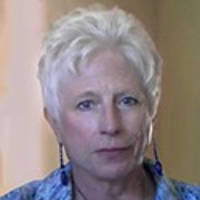
Kim Connolly is a licensed marriage and family therapist with 35 years of experience in mental health. She spent much of her career in the nonprofit sector, working with people over both short and long terms. Kim brings a straightforward and warm manner to sessions and values meeting clients where they are in life.
She commonly helps people manage stress, anxiety, grief, depression, and anger. She has a long history supporting survivors of physical, emotional, or sexual abuse and addresses the challenges that follow those experiences.
Background and approach
She also helps people facing relationship strain, parenting concerns, eating and body issues, and changes brought on by illness or life transitions. Kim describes her style as interactive and empathetic. She aims to be direct and honest while respecting each person's pace and goals.
She often uses humor to ease tension and to help people reconnect with joy amid struggle. Her clinical work draws on client-centered methods, cognitive behavioral tools, dialectical behavior skills, mindfulness practices, and motivational interviewing depending on what fits. Sessions focus on practical strategies, clearer thinking, and emotion regulation skills that individuals can use between meetings.
Kim trained at Sonoma State University where she earned a master’s degree in counseling and holds a California LMFT license. She lives in coastal California and often mentions her dogs as part of everyday life and resilience. If her straightforward, compassionate approach feels like a fit, she invites potential clients to begin the matching process.
What Kim works with
Everything Kim lists, in the therapist's own terms. Anger is the reason this directory exists; the rest tells you what usually sits alongside it in Kim's practice.
- Stress, Anxiety
- Trauma and abuse
- Grief
- Self esteem
- Depression
- Relationship issues
- Family conflicts
- Eating disorders
- Parenting issues
- Anger management
- Coping with life changes
- Compassion fatigue
- Abandonment
- Adoption and foster care
- Aging and geriatric issues
- Attachment issues
- Avoidant personality
- Blended family issues
- Chronic pain, illness, and disability
- Codependency
- Commitment issues
- Communication problems
- Control issues
- Coping with natural or human-caused disaster
- Domestic violence
- Eating and food-related issues
- Emptiness
- Family of origin issues
- Family problems
- Forgiveness
- Guilt and shame
- Impulsivity
- Infidelity
- Jealousy
- Life purpose
- Mood disorders
- Obsessions, compulsions, and OCD
- Panic disorder and panic attacks
- Post-traumatic stress
- Self-harm
- Self-love
- Sexual assault and abuse
- Young adult issues
Approaches Kim lists
- Client-Centered Therapy
- Cognitive Behavioral Therapy (CBT)
- Dialectical Behavior Therapy (DBT)
- Mindfulness Therapy
- Motivational Interviewing
- Narrative Therapy
- Psychodynamic Therapy
- Solution-Focused Therapy
- Trauma-Focused Therapy
Listing an approach is not evidence of training in it. This directory copies what each therapist names and does not check training records.
Approaches that guide online sessions
Client-centered therapy focuses on listening and building a trusting relationship so people feel heard and understood. It helps when someone needs a steady, nonjudgmental space to talk through difficult feelings and decisions.Cognitive behavioral therapy, or CBT, looks at how thoughts, feelings, and actions interact. It offers practical steps to change unhelpful thinking and behavior, useful for anxiety, depression, and anger management.
Dialectical behavior therapy, DBT, teaches skills for managing strong emotions and improving relationships. It includes techniques for distress tolerance and emotion regulation that can be practiced between sessions.
Choosing the right approach is a collaborative process. The therapist will talk with the client about goals, preferences, and what feels most comfortable, then mix methods as needed. That way the plan fits the person rather than the other way around.
Online therapy offers flexible ways to meet. Video calls allow face-to-face connection for deeper work, phone sessions can be easier when video is not needed, live chat supports quicker check-ins, and text messaging lets people share thoughts between appointments. These options make scheduling easier and help therapy fit into busy lives.
Questions people ask about Kim
What concerns does she address?
Kim works with stress, anxiety, trauma and abuse, grief, self-esteem, depression, relationship and family concerns, eating issues, parenting challenges, anger, and coping with life changes.
What is her therapeutic style?
Her approach is warm and interactive with a direct, honest manner. She tailors methods to what each person needs and uses practical tools and humor when helpful.
How much experience does she have?
She has 35 years of experience in the mental health field, much of it in nonprofit settings and working across short- and long-term care.
What credentials and region apply?
She holds a California LMFT license and earned a master’s degree in counseling from Sonoma State University. Her practice is based in California.
Which languages are offered and are international clients accepted?
Sessions are offered in English. International clients are not currently accepted.
What session formats are available?
Kim offers video calls, phone sessions, live chat, and text-based messaging to suit different preferences and schedules.
How does pricing work?
Cost varies with location and therapist availability and is provided through a subscription model that can be canceled at any time.
How do I begin working with her?
Click the Start Therapy button, complete a short matching questionnaire, and schedule sessions based on the therapist’s availability.