Works with
- Anger
- Stress, Anxiety
- Relationship issues
- Family conflicts
- Depression
How Margaret works
Practical facts
- Credentials
- LCSW
- Licensed in
- Florida
- Years in practice
- 24
- Languages
- English
- Session format
- Online, through our partner platform
About Margaret
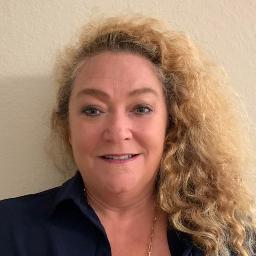
Margaret "Maggie" Nash is a licensed clinical social worker with 24 years of experience. She practices in Florida and brings a blend of warmth, persistence, and a sense of humor to sessions. Maggie writes about mental health and occasionally appears on TV to discuss issues she cares about.
Humor is part of how she helps people cope and heal. Maggie works with people facing stress, anxiety, depression, grief, and relationship problems.
Background and approach
She also supports those dealing with addiction, trauma and abuse, anger, and challenges with eating or sleeping. She helps people who struggle with self-esteem, jealousy, bipolar disorder, ADHD, or the strain of caregiving and compassion fatigue. In sessions she uses practical, evidence-informed methods such as client-centered therapy, cognitive behavioral therapy, dialectical behavior therapy, emotionally-focused therapy, and motivational interviewing.
Those approaches guide conversations so people can learn new skills and try different ways of handling hard moments. Maggie aims for clear, usable tools rather than jargon. She often focuses on changing the relationship people have with themselves.
Many clients are harsh or unforgiving toward themselves, and she helps them move toward self-compassion and better coping. Maggie describes therapy as a collaborative effort that yields real-life improvements over time. People choose her for her direct, caring style and steady commitment.
If someone is unsure whether therapy will help, she addresses those doubts and works to make the process manageable and hopeful.
What Margaret works with
Everything Margaret lists, in the therapist's own terms. Anger is the reason this directory exists; the rest tells you what usually sits alongside it in Margaret's practice.
- Stress, Anxiety
- Relationship issues
- Family conflicts
- Depression
- Addictions
- LGBT
- Trauma and abuse
- Grief
- Intimacy-related issues
- Eating disorders
- Sleeping disorders
- Parenting issues
- Anger management
- Self esteem
- Career difficulties
- Bipolar disorder
- Coping with life changes
- Coaching
- Compassion fatigue
- ADHD
- Jealousy
- Personality disorders
- Self-harm
- Sexual assault and abuse
Approaches Margaret lists
- Client-Centered Therapy
- Cognitive Behavioral Therapy (CBT)
- Dialectical Behavior Therapy (DBT)
- Emotionally-Focused Therapy (EFT)
- Motivational Interviewing
- Psychodynamic Therapy
- Solution-Focused Therapy
Listing an approach is not evidence of training in it. This directory copies what each therapist names and does not check training records.
How these therapy approaches work online
Client-centered therapy focuses on the person's own goals and experiences and helps people feel heard and respected. It is useful for improving self-esteem, addressing relationship concerns, and guiding decisions. Cognitive behavioral therapy, or CBT, looks at patterns of thoughts and behaviors and teaches practical techniques to reduce anxiety, depression, and anger. Dialectical behavior therapy, or DBT, adds skills for managing strong emotions, handling distress, and improving relationships.Finding the right mix of approaches is part of the work together. The therapist will talk with each person about their needs, goals, and preferences and then suggest which methods to try first. That plan can change as progress is made, so the process stays collaborative and tailored to real-life problems.
Online sessions are offered by video calls, phone sessions, live chat, or text-based messaging to increase flexibility. Video works well for longer therapy conversations and skills work. Phone sessions can be easier when bandwidth is limited or for a shorter check-in. Live chat or text messaging can be useful for brief support, tracking progress, and staying connected between longer sessions. These options help people fit therapy into busy schedules and different life demands.
Questions people ask about Margaret
What concerns does she address?
Maggie helps people with stress, anxiety, depression, grief, relationship problems, addictions, trauma and abuse, anger, self-esteem, and related issues. She also works with concerns like ADHD, bipolar mood challenges, eating and sleeping problems, and compassion fatigue.
What is her therapy style like?
Her approach mixes client-centered care with practical methods such as cognitive behavioral therapy and dialectical behavior therapy. Sessions are conversational and focus on skills you can use between visits.
How long has she been practicing?
She has 24 years of independent practice experience and has worked with a wide range of concerns over that time.
What credentials and location does she have?
She is a Licensed Clinical Social Worker, credentialed as FL LCSW, and practices in Florida.
Are sessions available in other languages?
Sessions are offered in English.
Can international clients connect with her?
She accepts international clients and works with people who live outside the United States.
What session formats does she offer?
Therapy is available by video calls, phone sessions, live chat, and text-based messaging to fit different schedules and needs.
How does cost and starting therapy work?
Cost varies with location and therapist arrangements; sessions use a subscription that can be canceled at any time. To start, select the Start Therapy button, complete a short matching questionnaire, and schedule based on therapist availability.